Rodent & Pest Droppings Remediation location coverage standards
Why a city name alone is not local expertise.
We have not published city pages for this specialty yet. Pages stay unpublished until they contain researched local context and useful decision support. Use the form to ask about your area.
Get an email reply about rodent & pest droppings remediation
Send a short message and get an instant email confirmation. A coordinator then replies by email. This form does not send emergency help; call 911 first if anyone is in danger.
Research before reach
A location is published only when its page includes meaningful local property, access, climate, jurisdiction, or documentation considerations.
Everything for one city on one page
Planning, safety, insurance, provider questions, sources, and documentation for each city sit together on a single guide.
No invented local offices
A city guide does not claim a storefront, parked crew, guaranteed arrival, job count, rating, or credential that has not been independently verified.
Use the national service guidance
The service and article libraries explain hazard controls, documentation, insurance questions, and provider verification without pretending those requirements are identical in every jurisdiction.
Not sure where to start?
Send a short message about your situation. You get an instant email confirmation, then a coordinator replies by email.
You get an instant email confirmation, then a coordinator replies by email.
If anyone is hurt or in danger, call 911 first.
Why location matters for rodent & pest droppings remediation
Rodent waste looks the same in every attic, but its risks and disposal rules change with location. Deer mice are the rodents most closely tied to hantavirus in North America. They are more common in rural and western areas than in busy city centers, where roof rats and Norway rats tend to rule. In cold regions, rodents move indoors as the weather turns. So seasonal cabins and garages often show heavy nesting when they are first opened in spring. In humid southern areas, crawlspace ground covers and insulation stay damp. That lets urine soak deeper and smells linger. The type of building matters too. Blown paper insulation in an older bungalow traps droppings one way. Rolled fiberglass in a newer home traps them another way. So does the wrap under a manufactured home. Landfills and transfer stations also set their own terms for taking bagged insulation. So disposal can differ from one county to the next.
Several public offices can help with a droppings problem, though none of them usually does the cleanup. Your city or county health department can answer questions about hantavirus and other illnesses spread by rodents. It may also know whether your neighborhood has a known rodent problem. In some areas, a pest control or environmental health office handles complaints about rodents spreading between homes. The state agency that licenses pest control workers can confirm whether a company may set bait or traps for pay. Your local trash office or landfill decides whether soiled insulation and nest debris can go in a large rented dumpster. Code enforcement or a housing office matters when a rental has rodents. If bats are involved, your state wildlife agency can tell you whether protections limit when and how they may be kept out.
Many companies advertise attic cleanup. So confirm what a company actually does before you let anyone disturb the insulation. Ask whether the crew wets droppings and nests before removal. Ask how it keeps dust out of your living space. Listen for a clear answer about sealed hatches, air filters, and plastic walls that keep dust inside the work area. Ask who handles sealing gaps and baiting. If that is a partner, get the partner's name so you can check its license with the state. Ask where the bagged insulation will go and whether that site accepts it. Ask for before and after photos of a past attic job, with the address removed. Be wary of anyone who wants to blow new insulation over old droppings. Rules vary by state and county. So check license and disposal answers with the local office instead of trusting a company's word.
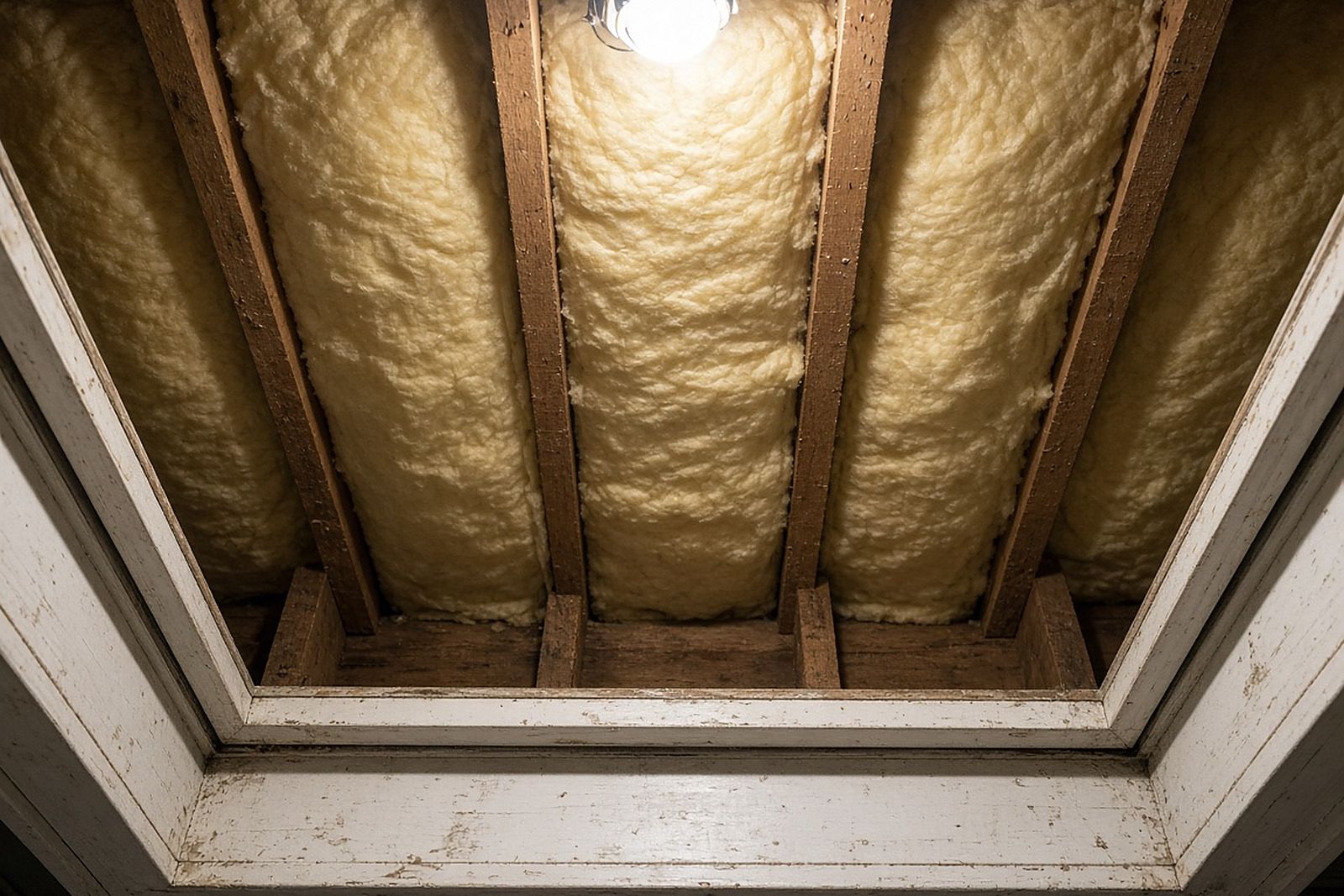
What to verify locally
- Whether the company holds a state pest control license for sealing gaps and baiting, or names the licensed partner that will do that work at your home.
- Which landfill or transfer station will take the bagged insulation and nest debris, and whether that site has special rules for packing or labels.
- How the crew will seal off the attic hatch, crawlspace door, or garage door so stirred-up dust does not drift into bedrooms and living areas below.
- Whether bats are present, and if so, what your state wildlife agency says about when and how they may be kept out of the building.
- Whether your lease, HOA, or condo papers make the owner, the association, or the tenant responsible for rodent control and droppings cleanup.
- What written plan the company has for checking the furnace, air unit, and ducts when droppings turn up near ducts or inside the air return box.
National figures for context
These are national or research figures, not data for any one city.
- 100-150 cases per year
Roughly 100 to 150 leptospirosis cases are reported in the United States each year, with Puerto Rico reporting the majority, per a CDC clinician fact sheet.
Read with care: Leptospirosis is spread by many animals, not only rodents, and is believed to be underreported.
Source: CDC (2018)United States including territories, annual reported cases
- 5%
CDC estimates about 5 percent of house mice across the United States carry lymphocytic choriomeningitis virus, and 2 to 5 percent of urban residents show evidence of past infection.
Read with care: Prevalence varies by location, and LCM is usually mild with mortality under 1 percent, though it is dangerous in pregnancy.
Source: CDC (2014)United States house mouse population and urban human seroprevalence, CDC estimates
- 82%
Mouse allergen was detectable in an estimated 82% of homes in this historical survey.
Read with care: Historical allergen detection; does not mean active mice in every positive home.
Source: Cohn et al. (2004)Representative sample of 831 US housing units in the first national housing-allergen survey.
These figures are public research and agency data, not this network's own job records. Keep each number with its population, year and limits; none of them predicts cost, timing or outcome at a specific property.
Local questions about rodent & pest droppings remediation
Is hantavirus a concern where I live, or only in certain parts of the country?
Hantavirus cases have been reported in many parts of the United States. But the deer mice and related rodents that carry it are more common in some areas than others. Your state or county health department is the best source for local facts. Whatever the answer, the safety steps stay the same. Air out the space and wet the droppings. Do not sweep or vacuum them dry. Wear proper breathing protection, or hire someone who does.
Can I put bags of contaminated insulation in my regular trash or a rented dumpster?
That depends on your hauler and the landfill it uses. Many areas accept double-bagged insulation soiled by rodents as regular building debris. Some sites ask for special packing or refuse loose material. Call your local trash office or the dumpster company before the work starts. Describe exactly what will be in the bags. A company that works in your county should already know the answer and be able to name the site.
Does a mobile or manufactured home need a different approach than a site-built house?
Often it does. Rodents tend to nest in the insulation held under the floor by the belly wrap. Droppings there cannot be reached from inside the home. Crews may need to open the underside, take out soiled material, and then fix or replace the wrap so animals cannot return. Gaps in the skirting are also common ways in. Ask the company how it will reach the underside and who will close it up afterward.
Who is responsible for droppings cleanup in a rental I lease?
It usually depends on your state's landlord-tenant rules, local housing codes, and the lease itself. Many places expect landlords to keep units free of rodents, but the details vary. Report the problem to the landlord in writing, with dated photos. If nothing happens, contact your city or county code enforcement or housing office. Ask how rodent complaints are handled where you live.
What should I know about bats in my attic before anyone starts cleaning?
Bats are protected in many states. Some rules limit keeping them out during times when young bats cannot fly yet. Sealing bats in or harming them can cause legal trouble and leave animals trapped inside. Contact your state wildlife agency or a licensed wildlife control company before cleanup begins. Bat droppings are usually removed after the bats have been kept out, not while a colony still roosts overhead.
Does my climate affect how long the attic stays off limits after cleanup?
It can. In hot areas, attic heat may limit when crews can safely work. That can stretch the job across the cooler parts of the day. In humid areas, damp wood may need extra drying before new insulation goes in. Cold weather can keep a disinfectant from working the way its label expects. Ask the company how local weather will shape its schedule. Ask what conditions it needs before it hands the space back.
Can my county health department inspect my home for rodents?
Some health departments or pest control offices will check outside conditions, look into neighborhood complaints, or give advice. Others send residents to private pest control. Few will clean droppings inside a private home. Call and ask what services they offer. Ask whether they track rodent activity in your area. Also ask whether they can suggest what to look for when you choose a private company.
More on rodent & pest droppings remediation
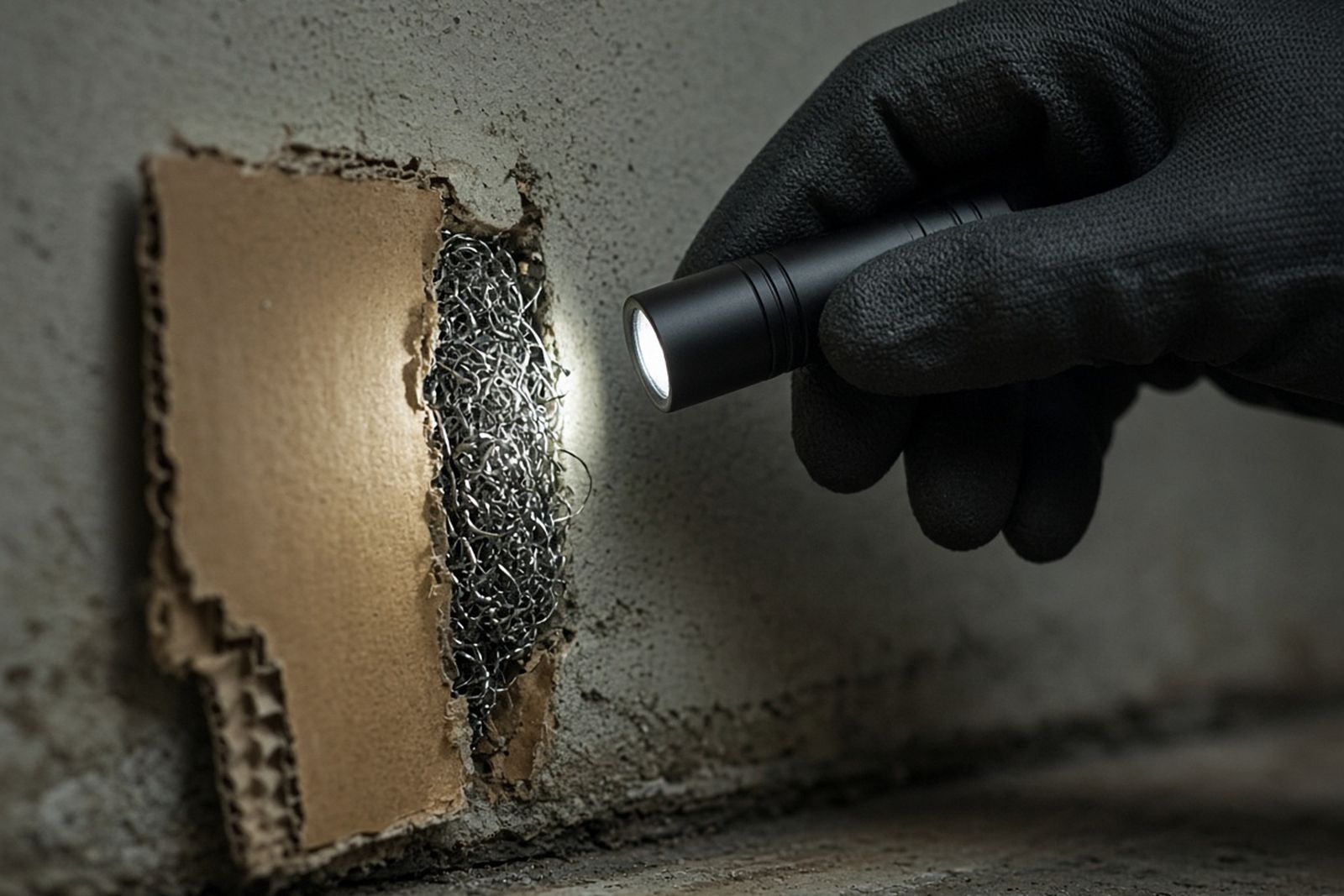
Rodent & Pest Droppings Remediation services
See how wet cleanup, attic and crawlspace work, bat droppings, sealing gaps, and insulation choices fit together after rodents move in.
Costs explained
What drives the price, published cost ranges, and how to read a written quote line by line.
Insurance and payment
Which policies may respond, how to document a claim, and what to do if coverage is denied.
Planning tools
Use the risk check, planner, cost estimator, vetting questions, claim organizer, and waste guide built for droppings in attics and crawlspaces.
Community polls
See how other homeowners and landlords handle attic droppings, new insulation, and the choice between cleaning up themselves or hiring help.
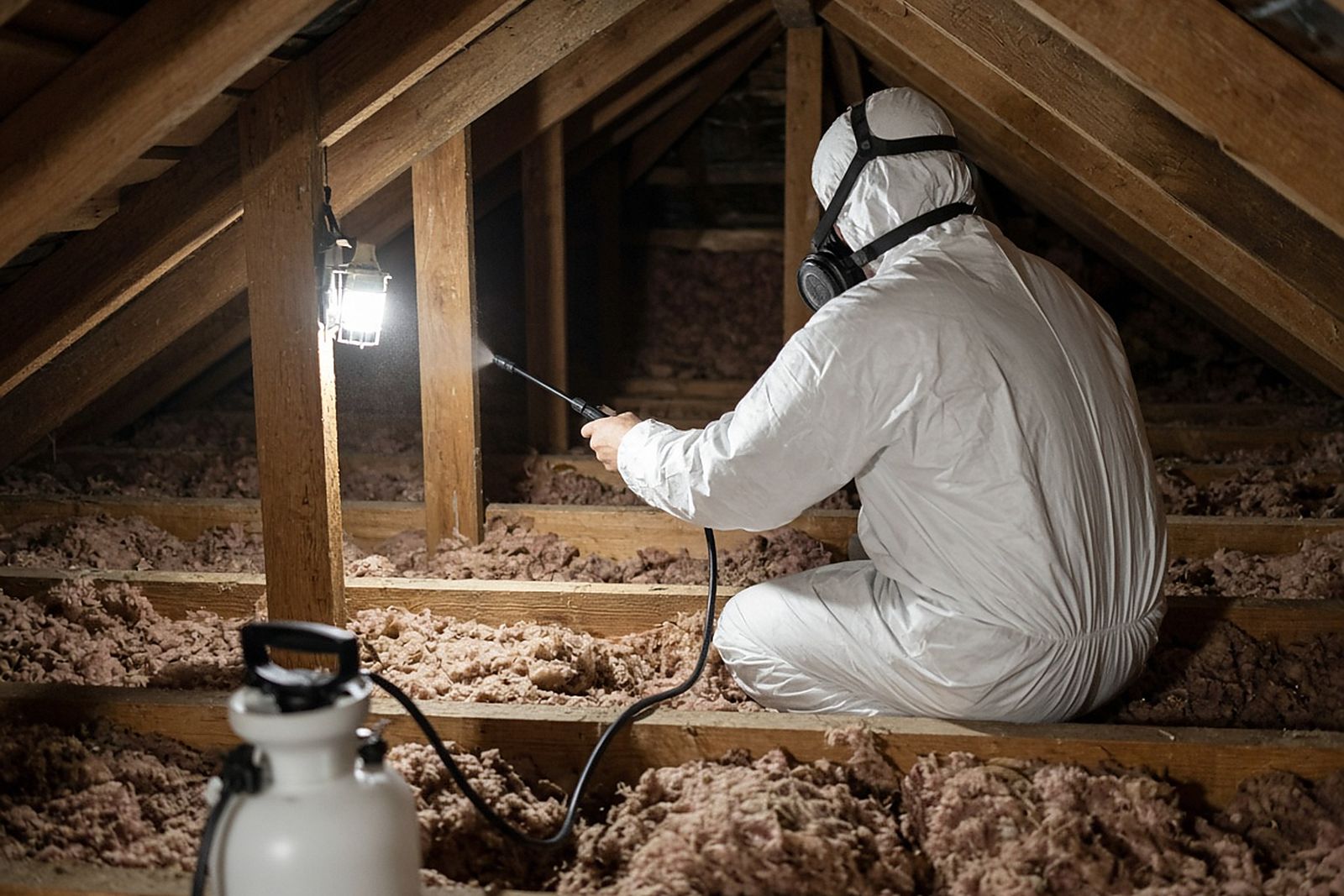
Knowledge quiz
Check whether you know why dry sweeping is dangerous, when insulation must go, and why sealing the gaps comes first.
Articles and resources
Longer reads on nests in cars, rodents in empty homes, bat colonies in attics, and what a good cleanup plan should look like.