Rodent Droppings Cleanup Cost: What Drives the Price
What you pay for when droppings, nests, and insulation must go
Cleaning up after mice, rats, birds, or bats is rarely just a matter of vacuuming. Safe cleanup uses wet methods and HEPA equipment, which has filters that trap very fine dust. It also means carefully removing soiled materials. This guide explains what a cleanup firm charges for and which conditions change the price. It shows how to compare quotes, where hidden costs show up, and who usually pays, from homeowners to landlords.
Get an email reply about rodent & pest droppings remediation
Send a short message to the follow-up inbox. A coordinator can reply by email. This form does not send emergency help; call 911 first if anyone is in danger.
What published figures say about cost
- Civil Code 1941.1
California Civil Code 1941.1 requires landlords to keep rental premises free from accumulations of debris, filth, rubbish, garbage, rodents, and vermin as a condition of habitability.
Read with care: Applies only to California; other states set habitability rules through their own statutes or case law.
Source: California Legislative Information (2024)California residential rental housing, statutory habitability standard
- $1.50 per sq ft
Attic cleaning costs most homeowners about $438, and rodent decontamination adds roughly $1.50 per square foot plus about $200 to deodorize and disinfect, per Thumbtack data.
Read with care: Marketplace averages vary widely by attic size, contamination level, and whether insulation must be removed.
Source: Thumbtack (2026)United States, Thumbtack marketplace pricing, updated March 31, 2026
- $2,100
Insulating an attic costs about $2,100 on average ($1,700 to $2,500), and removing old insulation runs $1 to $1.50 per square foot, according to HomeAdvisor.
Read with care: Figures are for standard insulation work; contaminated insulation may require hazardous-waste handling that raises the removal price.
Source: HomeAdvisor (2026)United States, HomeAdvisor cost data, updated June 20, 2026
- $395
Professional rat extermination costs an average of $395, with most homeowners paying between $189 and $655, according to HomeAdvisor cost data.
Read with care: Covers extermination only; contamination cleanup, exclusion sealing ($200-$600), and insulation replacement are priced separately.
Source: HomeAdvisor (2026)United States, HomeAdvisor member project cost data, updated June 2026
- 10 working days
Employers must offer the hepatitis B vaccine within 10 working days of assigning an employee to a job with occupational blood exposure.
Read with care: Employees may decline; the vaccine must be at no cost.
Source: OSHA (2024)United States employers with occupationally exposed employees
- 180 days
Facilities generating more than 100 kg but less than 1,000 kg of hazardous waste per month are Small Quantity Generators and may store it up to 180 days.
Read with care: Limit extends to 270 days when the disposal facility is over 200 miles away.
Source: EPA (2024)United States, RCRA generators
These figures are public research and agency data, not this network's own job records. Keep each number with its population, year and limits; none of them predicts cost, timing or outcome at a specific property.
What is actually priced in a droppings remediation job?
Most quotes break into six parts. Labor covers workers in respirators and protective suits. They wet down droppings and nest material before removing them. Then they clean and disinfect surfaces. Containment covers plastic sheeting and sealed openings. It also covers air filters and plastic walls that keep dust from spreading into living areas. Removal covers droppings, nests, soiled insulation, and sometimes stored belongings that can't be cleaned.
Disposal covers bagging and hauling the waste under local rules. These rules are usually less strict than for medical waste, but the job still takes care. Testing is not common for rodent jobs. Some firms offer a visual inspection report or surface checks after cleaning. Rebuilding usually means new insulation. Sometimes it also means replacing damaged ducts, moisture barriers, or drywall. Sealing entry points may be included, or a separate pest control company may do it.
- Labor with respirators and wet cleaning methods
- Plastic sheeting and air filters that keep dust inside the work area
- Removal of droppings, nests, and insulation
- Bagging and hauling the waste
- An optional inspection or check after cleaning
- New insulation and repairs to damaged parts
Which conditions push the price up or down?
The size of the space and how easy it is to reach matter most. A low attic with little headroom slows every task. So does a crawlspace where workers must lie on their backs. The type and depth of insulation affect how much must come out. Loose-fill insulation soaked with urine is usually all removed. Batts, the insulation that comes in rolls, can sometimes be removed in spots. Heavy infestations with years of buildup take far longer than a new problem.
Other factors matter too. Ducts may run through the soiled area, or droppings may have reached inside walls. Bird or bat droppings, called guano, may need extra breathing protection. Homes where people live during the work may need more barriers to protect them. Remote locations, after-hours work, and more than one building, like a detached garage or shed, add cost. Rules vary by state and county; verify with the local authority.
What do published figures suggest about decontamination and insulation?
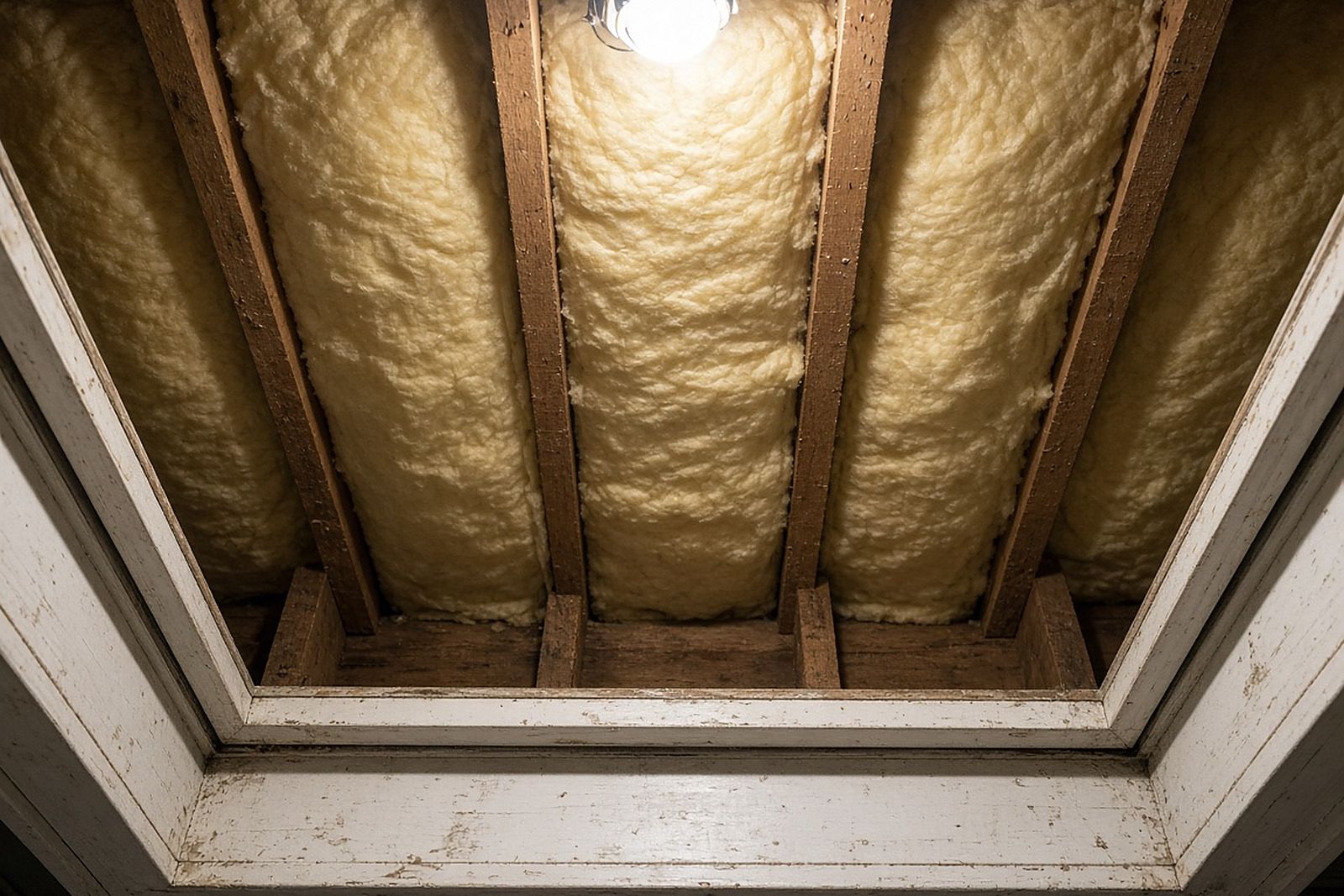
Published cost data gives useful context, though your job may differ. According to Thumbtack's 2026 data, rodent decontamination adds roughly $1.50 per square foot. It adds about $200 more to deodorize and disinfect. HomeAdvisor's 2026 figures put removal of old insulation at $1 to $1.50 per square foot. These numbers help you check whether a quote is in a reasonable range before you sign.
Keep in mind that national figures mix many kinds of homes and conditions. A small, recent mouse problem in an easy-to-reach attic may cost less than these rates suggest. A large rat infestation in a cramped crawlspace with damaged ducts may cost a lot more. Ask each contractor to show the square footage they measured. Ask them to explain how access and the amount of mess affected their price.
How should you compare itemized remediation quotes?
Ask each firm to describe its method in writing. Will droppings be wet with disinfectant before removal? Will they use HEPA vacuums and air filter machines? How will they protect living areas? Be careful with any plan that relies on dry sweeping, regular shop vacuums, or fogging alone. Those methods can stir soiled dust into the air instead of removing it from the home.
Compare how each quote handles insulation. Look at the square footage to be removed, the type and depth of the new insulation, and whether disposal is included. Check whether sealing gaps and vents is part of the job or separate. Review what is left out, like duct cleaning, drywall repair, belongings, and follow-up visits. A clear written scope makes it easier to compare firms fairly and avoid surprise charges later.
- Wet methods and HEPA equipment, in writing
- A plan to protect living areas
- Details on removing and replacing insulation
- Whether sealing entry points is included or separate
- What is left out and follow-up terms
Why does exclusion work affect the total cost?
If you clean up droppings without keeping rodents out, you pay twice. Keeping them out, called exclusion, means finding and sealing entry points. These include gaps around pipes, roof vents, soffits, foundation cracks, and garage doors. Some cleanup firms do this work themselves. Others work with a pest control company. Trapping or baiting to remove the rodents living there usually comes first. The timing of each step affects how many visits you pay for.
When you compare costs, look at the order of the steps. Ideally, the rodents are dealt with first and entry points are sealed. Then cleanup and new insulation follow. Pest control prices vary with how many rodents there are, the number of visits, and whether a service plan follows. Ask local providers for written prices on trapping, sealing, and monitoring. Budgeting for sealing along with cleanup helps you avoid a repeat problem.
What hidden costs catch homeowners by surprise?
Stored belongings are a common surprise. Boxes, holiday decorations, clothing, and papers in an attic or basement may be soiled by droppings and urine. Deciding what to clean or throw out takes time and may add cost. Ducts that run through a soiled attic may need to be checked, cleaned, or replaced. A licensed electrician should check any chewed wiring, which is a separate bill.
Other hidden costs include drywall repair where rodents nested inside walls. You may need odor treatment after dead animals are removed. People with health concerns may need to stay elsewhere during the work. Energy bills may have gone up while the insulation was damaged. Replacing it can be a chance to upgrade. Ask the contractor which of these they often see. That helps you plan a realistic budget from the start.
Who usually pays for rodent droppings remediation?
Homeowners usually pay for cleanup in their own homes. In rentals, landlords are often responsible for keeping units free of rodents and vermin. This falls under rules about livable housing, which vary by state and local area. Tenants facing an infestation should tell the landlord in writing and keep records. Business property owners and business tenants usually settle who pays based on their lease.
Homeowners insurance often does not cover rodent damage, as our insurance page explains. Some related losses may be covered, depending on the policy. When a home is being sold, buyers and sellers sometimes negotiate the cleanup as part of the sale. Estates handling a property after a death may pay from estate funds. Where they exist, some local public health or housing programs help residents who qualify.
What might a typical remediation look like?
Picture a family who hears scratching in the ceiling and finds droppings in an attic storage area. A pest control company traps several rats. It finds entry points at a roof vent and a gap around a plumbing pipe. The family then asks two cleanup firms for quotes. They send each firm the same photos and a rough sketch of the attic, so both bids start from the same information.
One quote describes wetting droppings with disinfectant, HEPA vacuuming, and sealing off the attic hatch. It includes removing soiled loose-fill insulation, disinfecting the framing, and putting in new insulation. The pest company would handle sealing entry points. The other quote offers fogging and a quick vacuum at a lower price. After asking questions, the family picks the first firm. They set aside damaged holiday decorations and book an electrician to check chewed wiring.
Estimate your range
Rodent & Pest Droppings Remediation cost range estimator
Educational only. Real pricing needs an on-site assessment and a written scope. Insurance coverage is decided by your carrier, not by this tool.
Educational range: $3,000 – $5,000
Scaled from a published reference range (typical biohazard cleanup project, national) reported by Fixr (2025). Your region, provider and the actual findings on site can move the real number outside this range.
Cost level: Mid range.
None of the big cost multipliers are selected. Minimum service charges, travel and waste fees still apply.
Ask every quote to itemize labor, containment, product, waste disposal, verification sampling, and any rebuild, and to state what is excluded.
Open the full tool page for a worked example and more answers.
Costs questions about rodent & pest droppings remediation
Can I clean up mouse droppings myself to save money?
A homeowner can sometimes clean small amounts of droppings in an easy-to-reach area. Follow public health advice. Air out the space, wet the droppings with disinfectant, and wear gloves. Never sweep or vacuum them dry. Large piles, attic insulation, and crawlspaces usually call for a pro, as does anyone with health concerns. A pro will have breathing protection and HEPA equipment.
Why is insulation removal such a large part of the price?
Insulation soaked with urine and mixed with droppings can't be reliably cleaned. So it usually must be removed, bagged, and hauled away. That is slow work in tight spaces. Then new insulation must go in. The amount depends on the square footage and depth. Ask contractors whether they can remove only some of it or must do the whole attic.
Is fogging enough to take care of droppings?
Fogging alone does not remove droppings, nests, or soiled insulation. It can leave the source of the smell and the mess in place. Fogging with disinfectant may help after the physical removal. But it should not replace wet cleaning and HEPA methods. Be careful with any quote that relies mostly on fogging for a big infestation.
Does bird or bat guano cost more to remediate than rodent droppings?
It can. Guano often builds up in large amounts in attics, barns, and chimneys. It may carry fungus and other hazards that call for careful breathing protection. Bats may also be protected by wildlife rules that affect timing and how they are kept out. Ask contractors about their experience with guano. Ask whether wildlife rules affect the schedule.
Should the pest control company or the remediation firm go first?
Usually the rodents living there should be dealt with first. Next comes sealing entry points, then cleanup and new insulation. Cleaning before the rodents are gone can mean doing the work twice. Some firms handle every step. Others work with a pest company. Ask each contractor what order they follow and who handles each step.
Will remediation remove the odor as well?
Removing droppings, nests, urine-soaked insulation, and any dead animals usually takes care of most odor. Some jobs also include odor treatment, mostly when animals died inside walls. Ask whether odor treatment is included and what products will be used. Ask what the contractor suggests if a smell stays after the main work is done. Also ask about the terms for any return visit.
How can I tell if a contractor is qualified for this work?
Ask about their training in breathing protection and handling biohazards. Ask what equipment they use and whether they follow public health advice on wet cleaning. Ask for references, proof of insurance, and a written scope. A qualified contractor will explain plainly how they seal off the area and dispose of waste. They won't rely on dry sweeping or fogging alone, even if you ask them to lower the price.
What other visitors said
Every count is a real visitor vote; nothing is seeded or padded. One vote per poll per device, and you can change your answer.
If you found droppings across your attic insulation, what would you most likely do?
How well do you understand the hantavirus risk from rodent droppings?
More on rodent & pest droppings remediation
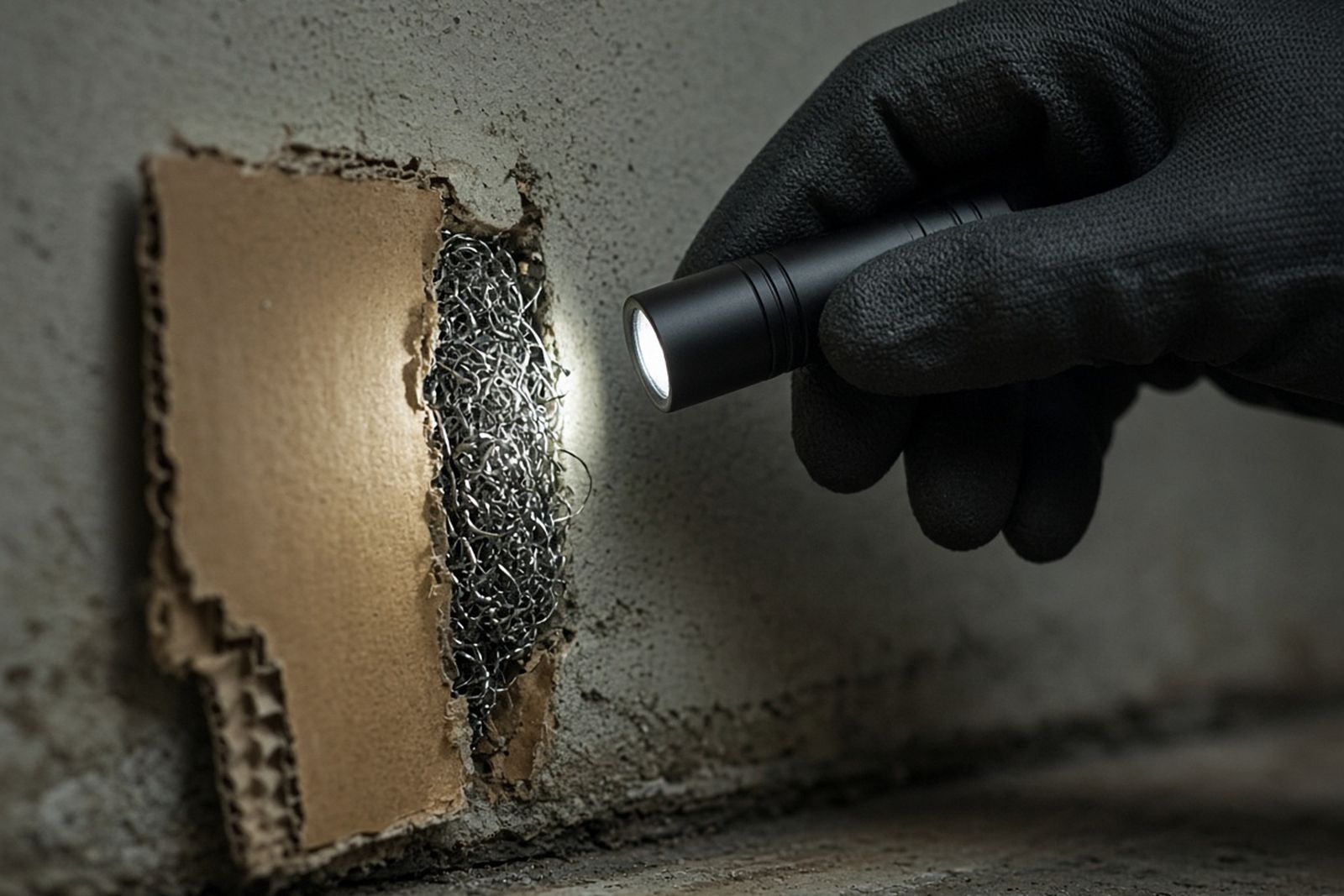
Rodent & Pest Droppings Remediation services
See how wet cleanup, attic and crawlspace work, bat droppings, sealing gaps, and insulation choices fit together after rodents move in.
Insurance and payment
Which policies may respond, how to document a claim, and what to do if coverage is denied.
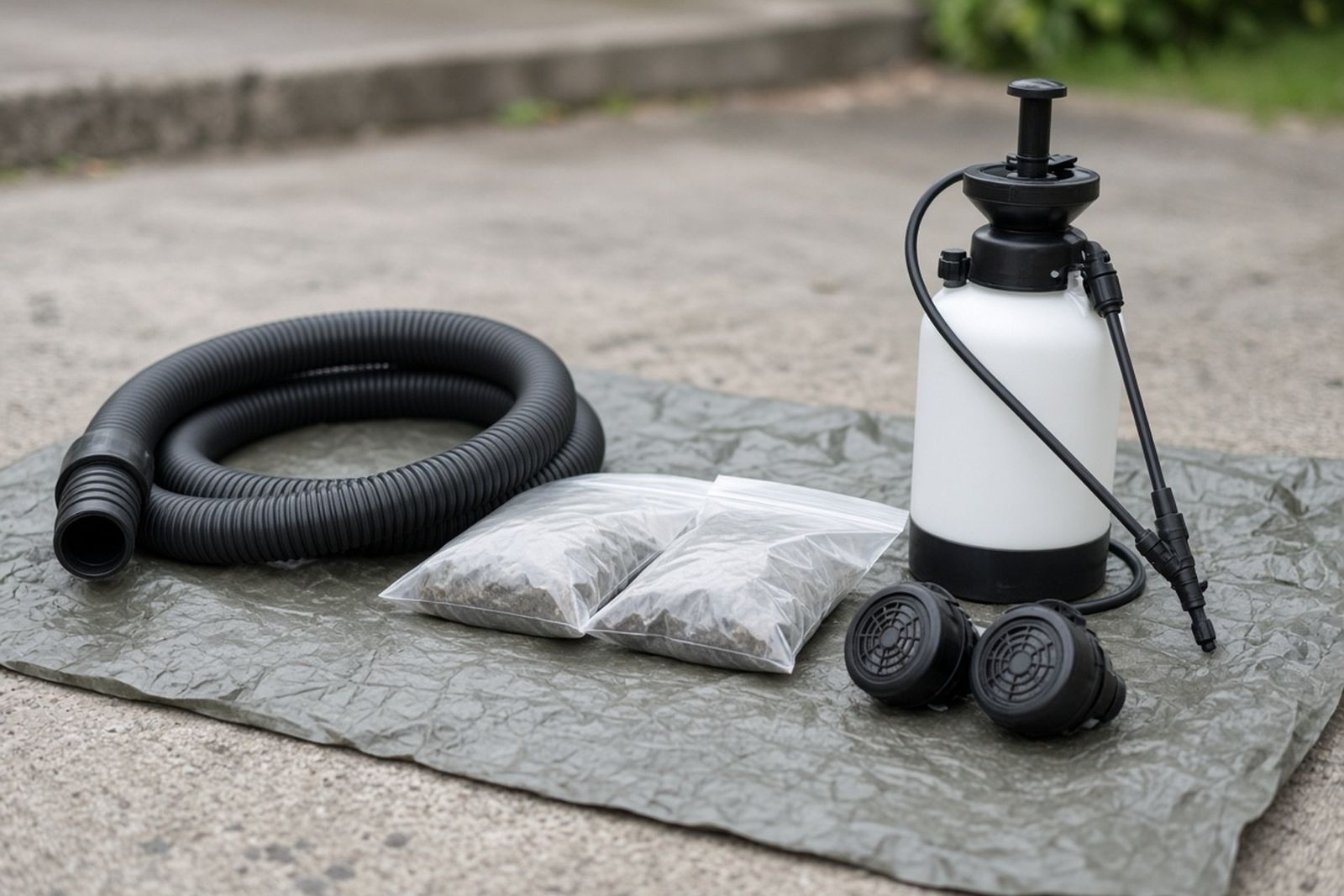
Planning tools
Use the risk check, planner, cost estimator, vetting questions, claim organizer, and waste guide built for droppings in attics and crawlspaces.
Community polls
See how other homeowners and landlords handle attic droppings, new insulation, and the choice between cleaning up themselves or hiring help.
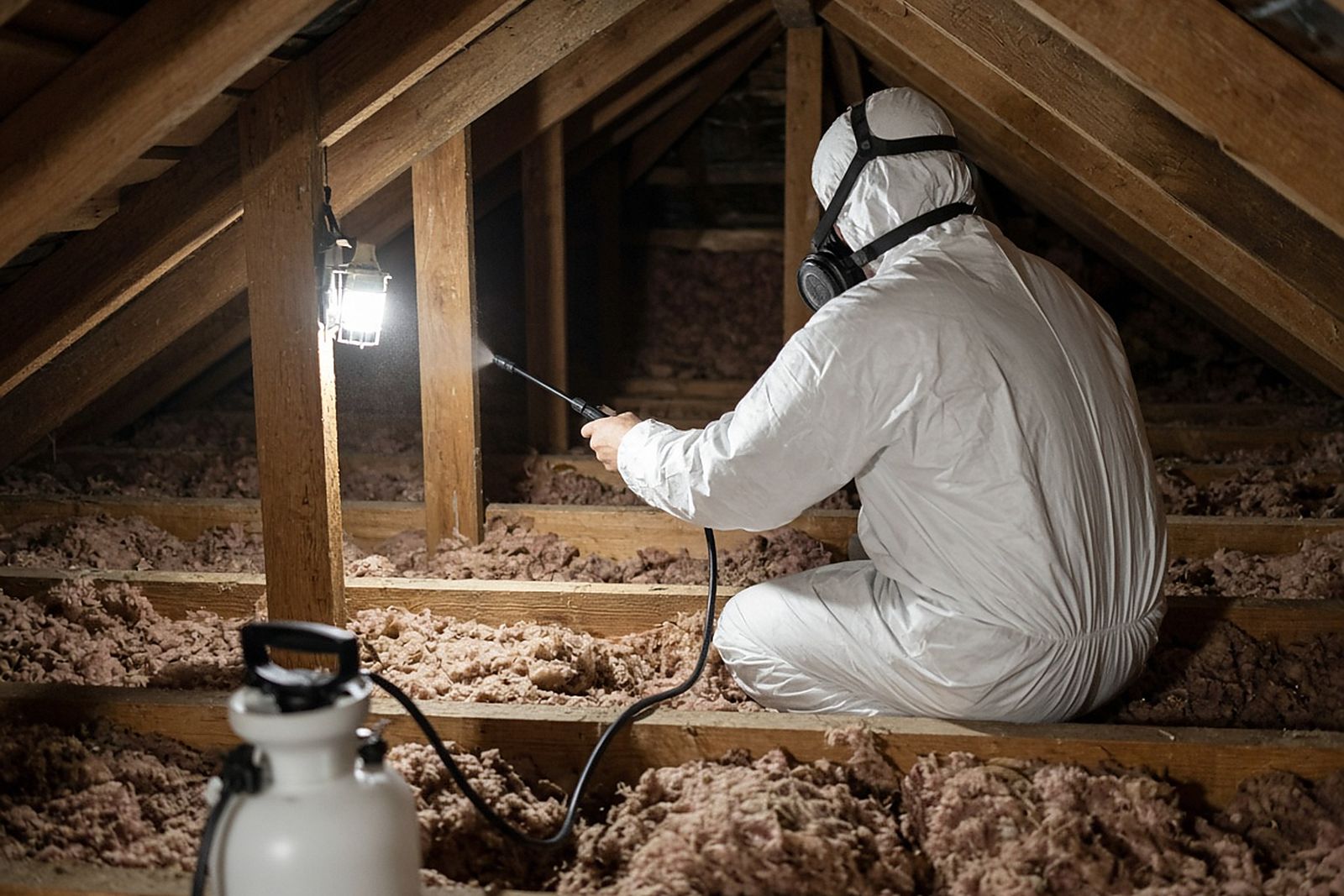
Knowledge quiz
Check whether you know why dry sweeping is dangerous, when insulation must go, and why sealing the gaps comes first.
Articles and resources
Longer reads on nests in cars, rodents in empty homes, bat colonies in attics, and what a good cleanup plan should look like.