Free rodent & pest droppings remediation tool
Rodent & Pest Droppings Remediation Provider Vetting Checklist
Fifteen questions to ask any remediation provider, a readiness score, and a copyable list of what is still unanswered.
Plenty of companies will offer to clean up droppings. Many of them are pest control firms, general cleaners, or insulation installers whose main work is something else. What matters is whether they know that dried rodent waste is dangerous to breathe, and whether they work that way. This checklist gives you fifteen questions to ask before you hire. How do they keep dust down? What breathing protection does the crew wear? How do they seal the attic hatch or crawlspace door off from your living area? Do their vacuums filter the air they blow out? How do they decide which insulation stays and which goes? Which disinfectant do they use, and why? How do they work with a pest pro to seal the gaps? Where does the waste go? What photos and written records will you get?
As you confirm answers, the tool keeps a readiness score. It also builds a list of open questions you can copy into a message. The score is your own record of the checks you made. It is not the site's approval, because this network exists to teach and does not license or inspect companies. Listen for details. A company that does this work often can describe its wetting spray, how it walls off the area, and who seals the gaps, without pausing. Watch for warning signs. These include any talk of sweeping or leaf blowers, or a plan to put new insulation over the old. Other signs are no clear answer on breathing protection, or a promise that rodents will never come back. No honest company can promise that.
How to use it
- 1Read the fifteen questions ahead of time so you know what a full answer on dust control, walling off, and disposal sounds like.
- 2Ask each question on the call or site visit. Tick it only when the answer was clear enough to write down.
- 3Check the readiness score. Flag any answer that involved sweeping, dry vacuuming, or covering old insulation.
- 4Copy the list of open questions and send it to the company. Ask for written replies before you approve a work plan.
Prefer to ask a person?
Your request is sent to the follow-up inbox. A coordinator can reply by email. Not for emergencies; call 911 first if anyone is in danger.
Vet a provider before you sign
Rodent & Pest Droppings Remediation provider vetting checklist
Start with the questions specific to this kind of job. Tick each one once the provider has answered it in writing or shown you the document. Your progress stays on this device only.
Readiness: 0 of 21 confirmed (0%)
21 questions still need a written answer. Copy the list and send it to the provider before you sign anything.
A worked example
Picture a made-up property manager who runs a duplex. Both tenants have complained about mice and a musty smell from the shared attic. She uses the checklist on calls with three companies. The first is a pest control firm. It explains trapping and sealing gaps in detail. But when she asks about the droppings in the insulation, they say their tech will suck it out with a shop vacuum and blow new insulation on top. She ticks the questions on sealing gaps and leaves the method questions open. The score is low. The second is a cleanup company. They wet everything before removal and use filtered vacuums. They seal the hatch with a zipper wall and cover the stairwell with plastic. They remove soiled insulation down to the bare roof boards. They use a disinfectant from its label and leave it wet for the time the label says. They also work with a pest company that seals the gaps first. They offer before and after photos and a written plan. Nearly every item gets a tick. The only open question is about proof of insurance. The third company is vague about everything but price. She sends the second company her one open question and gets the insurance papers. Then she asks the pest firm to seal the gaps in step with the cleanup.
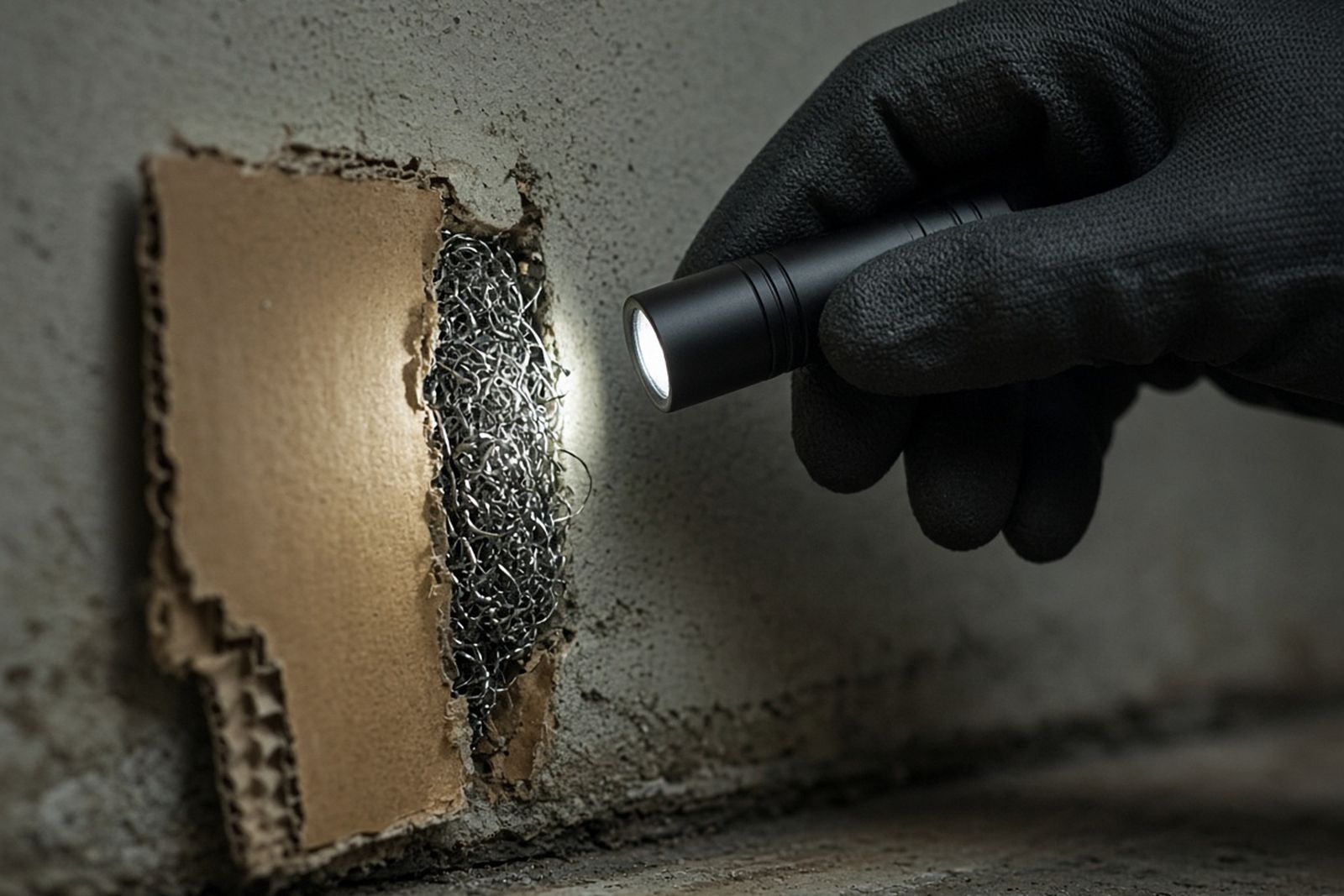
Numbers behind vetting checklist decisions
- 1:9 bleach, 5 minutes
CDC recommends disinfecting rodent droppings and urine with a solution of 1 part bleach to 9 parts water (1.5 cups per gallon) or an EPA-registered disinfectant, soaked for 5 minutes.
Read with care: Bleach solutions must be mixed fresh and used with ventilation; commercial disinfectants have their own label contact times.
Source: CDC (2024)United States public-health guidance for household rodent cleanup
- $13.416 billion
U.S. structural pest control companies generated $13.416 billion in service revenue in 2025, up 6 percent from $12.654 billion in 2024, according to NPMA's industry survey.
Read with care: Covers all structural pest control, not rodent cleanup specifically, and relies on a trade-association survey.
Source: National Pest Management Association (2026)United States structural pest control service revenue, calendar 2025, survey of 800 company leaders
- 34,696
Federal OSHA conducted 34,696 inspections in fiscal year 2024 and has roughly one compliance officer for every 70,000 workers.
Read with care: Excludes inspections by state-plan agencies.
Source: OSHA (2024)United States, federal OSHA, FY2024
- 10 square feet
EPA says moldy areas smaller than about 10 square feet can usually be handled by the homeowner, while larger areas warrant professional guidance.
Read with care: Applies to mold; contaminated sewage or biohazard materials are treated differently.
Source: US EPA (2026)Residential guidance, United States
These figures are public research and agency data, not this network's own job records. Keep each number with its population, year and limits; none of them predicts cost, timing or outcome at a specific property.
Provider Vetting Checklist questions for rodent & pest droppings remediation
What is the one answer that should end the conversation immediately?
Any plan to sweep, dry-vacuum, or blow droppings without wetting them first. Public health advice warns against exactly this. It turns dried waste into dust you can breathe in a closed space. A close second is a plan to put new insulation over soiled material. A company that suggests either one does not understand the danger. That is true no matter how sensible the rest of the pitch sounds.
Should I ask what kind of respirators the crew uses?
Yes. You do not need to judge the exact model. But the company should be able to tell you three things. Their crew wears breathing protection that fits the danger and the space. Workers have been fit-tested where the rules require it. And they follow a written procedure. A blank look, or talk of paper dust masks alone, suggests the company does not treat rodent waste as a breathing risk.
How do I confirm the provider coordinates exclusion rather than just cleaning?
Ask straight out who will find and seal the gaps where rodents get in. Ask whether that happens before or during the cleanup, and how the two teams stay in touch. Some companies do both jobs. Others name a pest company they work with. A company that says sealing gaps is not their problem is offering a cleanup you will likely need to repeat. Rules about timing for wildlife vary by state and county, so check them with the local office.
What documentation should I expect at the end of the job?
Expect a written plan that names each area and says whether it was cleaned in place or removed. It should name the disinfectant used. You should get photos of the mess before work and of the cleared space after. You should also get a note on where the waste went and on how the gaps were sealed with the pest pro. Keep the cleanup bill separate from the pest control and new insulation bills. That keeps any home file or claim clear.
Does a high readiness score mean the provider has been checked by the site?
No. The score just counts the questions you marked as confirmed. This network exists to teach and to connect readers with companies. It does not check licenses, insurance, or quality of work. It is still up to you to check the business registration, ask for proof of insurance, and ask for references from similar jobs. The score records your own checks and helps you compare companies fairly.
Should I fill out the checklist during the estimate visit or afterward?
Bring it along and jot notes while the estimator explains the plan. Then finish the scoring later, when you have time to think. Write down their exact words, such as how they describe wetting droppings or handling insulation. That helps when you compare companies later. If an item never came up during the visit, mark it as unanswered. Follow up by email instead of guessing what the company meant.
How do I use the checklist when a pest control company and a cleanup company share the job?
Score each company only on the items it will actually do. The pest control firm should answer the items on trapping and sealing gaps. The cleanup company should answer the items on wetting, walling off, disposal, and records. Then add a note about how the two will work together. Include who confirms the rodents are gone before cleanup starts. Gaps between two companies are easy to miss, and the checklist helps bring them to light.
Related community polls
Every count is a real visitor vote; nothing is seeded or padded. One vote per poll per device, and you can change your answer.
If you found droppings across your attic insulation, what would you most likely do?
How well do you understand the hantavirus risk from rodent droppings?
Other rodent & pest droppings remediation tools
Cost Range Estimator
Set the affected area, surface types, severity and extras to see an educational cost range and the factors that move it.
OpenInsurance Claim Organizer
A guided checklist from finding the policy to tracking the carrier decision, with a printable summary of where the claim stands.
OpenFirst 24 Hours Planner
Tell the planner a few facts about the situation and get an ordered list of who to call, what not to touch, and what to photograph.
OpenWaste & Disposal Classifier
Five questions about the material point to the likely waste category and which authority to confirm the rules with.
OpenDIY or Call a Pro? Risk Check
Eight yes-or-no questions that produce a risk level and explain when professional help is the safer choice.
OpenMore on rodent & pest droppings remediation
Rodent & Pest Droppings Remediation services
See how wet cleanup, attic and crawlspace work, bat droppings, sealing gaps, and insulation choices fit together after rodents move in.
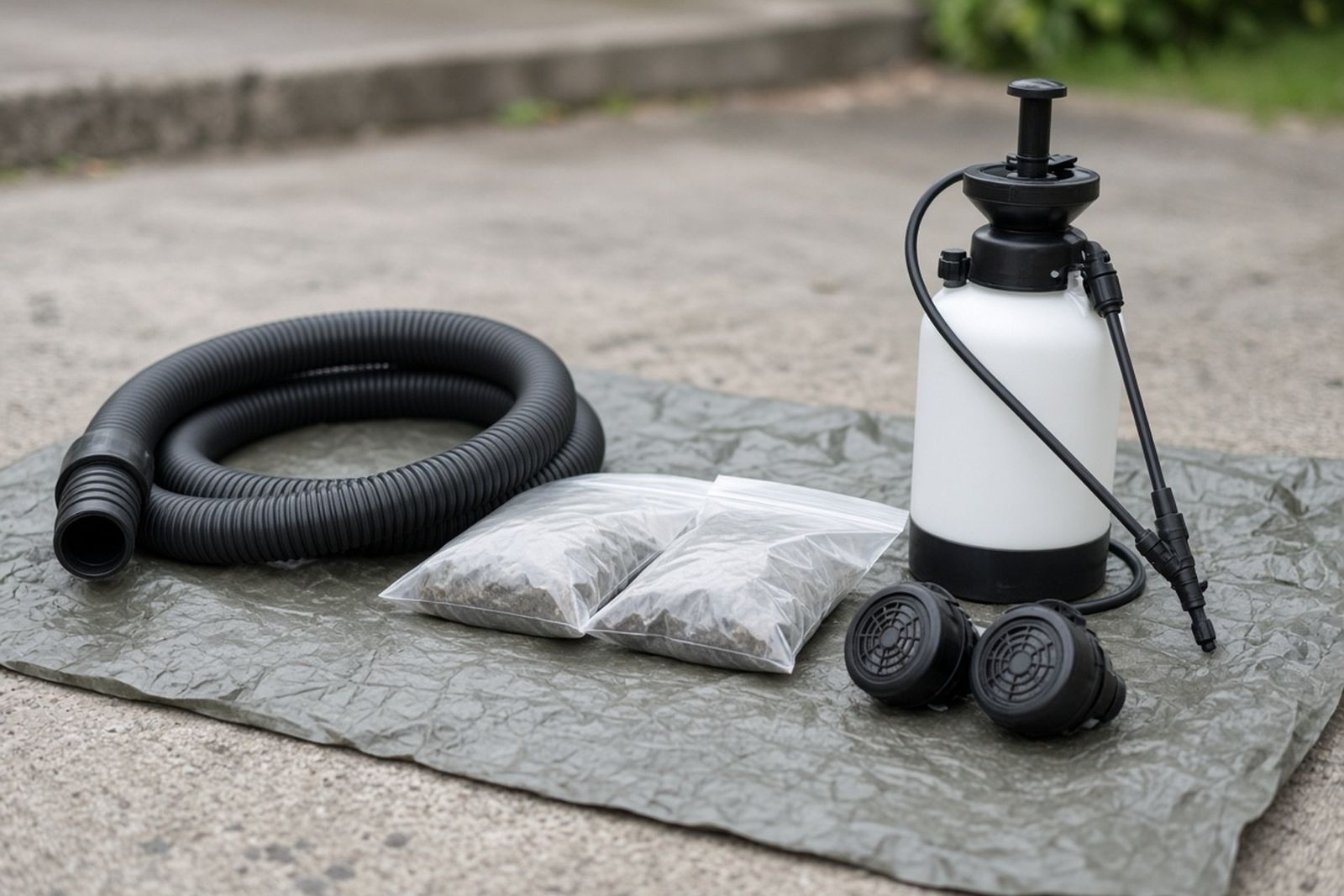
Costs explained
What drives the price, published cost ranges, and how to read a written quote line by line.
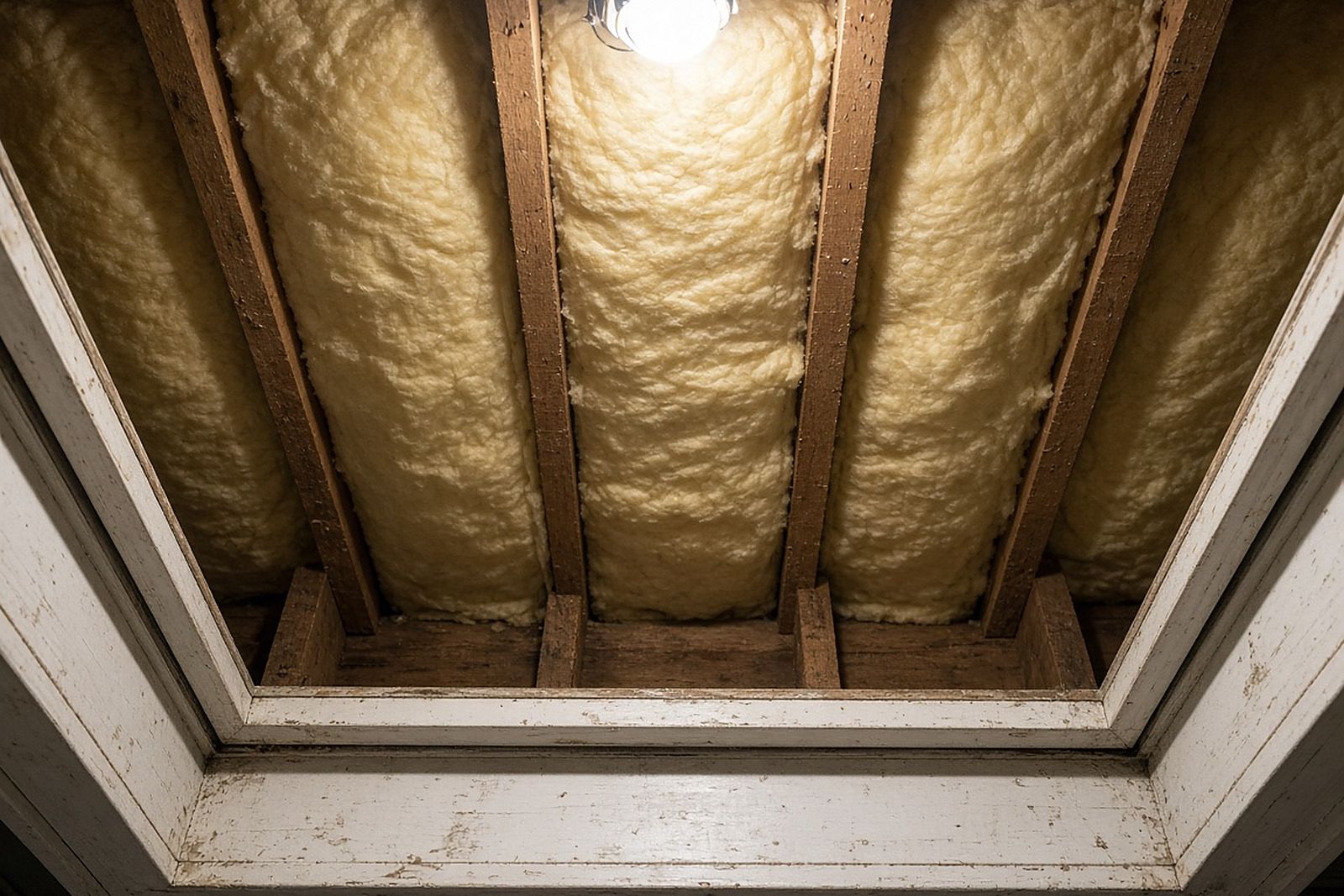
Insurance and payment
Which policies may respond, how to document a claim, and what to do if coverage is denied.
Community polls
See how other homeowners and landlords handle attic droppings, new insulation, and the choice between cleaning up themselves or hiring help.
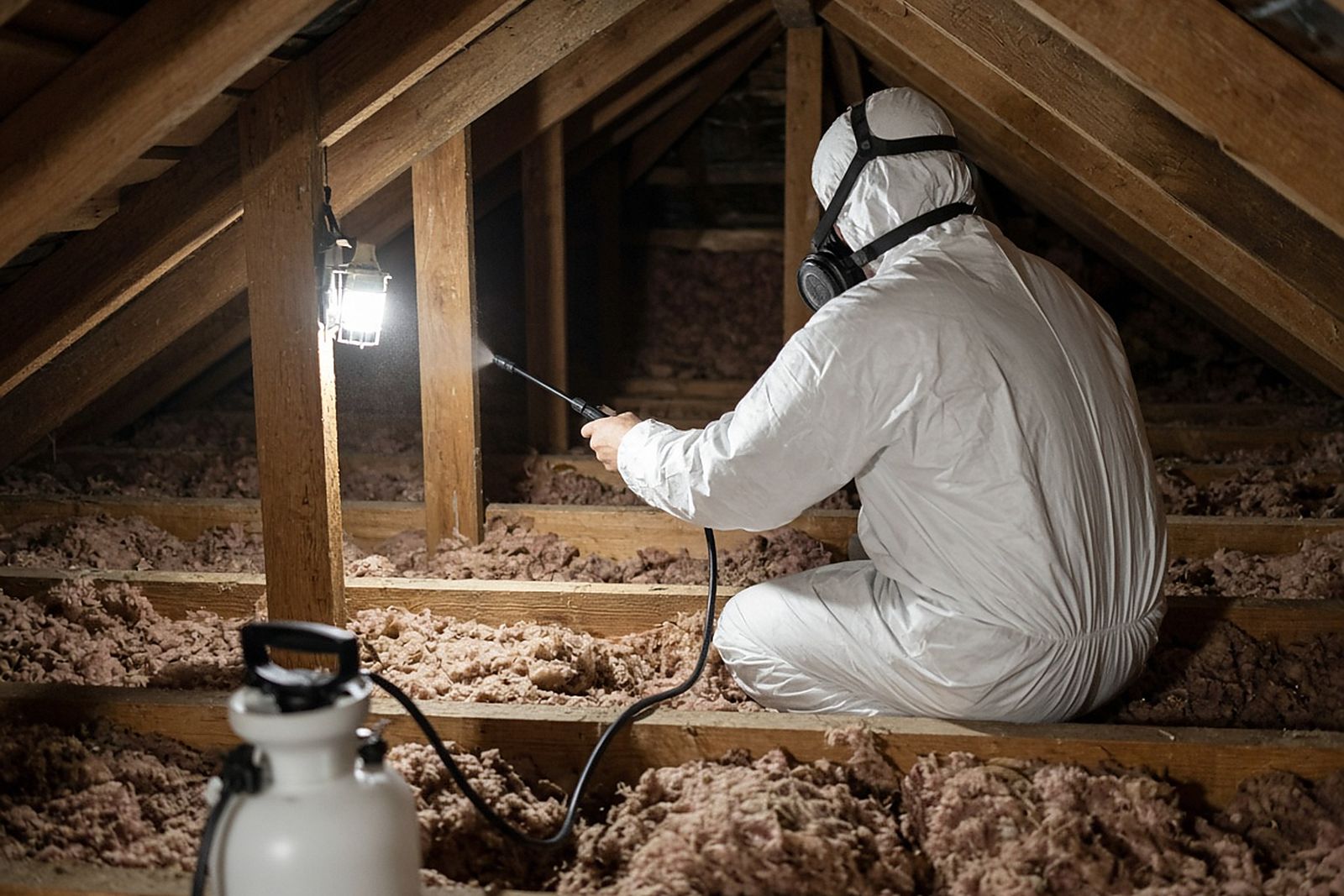
Knowledge quiz
Check whether you know why dry sweeping is dangerous, when insulation must go, and why sealing the gaps comes first.
Articles and resources
Longer reads on nests in cars, rodents in empty homes, bat colonies in attics, and what a good cleanup plan should look like.