Free rodent & pest droppings remediation tool
Rodent & Pest Droppings Remediation Insurance Claim Organizer
A guided checklist from finding the policy to tracking the carrier decision, with a printable summary of where the claim stands.
Most insurers treat rodent messes as slow damage or upkeep, and many policies leave out pests entirely. That is the honest place to start. Still, some cases are worth organizing with care. A storm may have torn the metal strips on the roof, and the rodents followed. A burst pipe may have soaked insulation that rodents then nested in. An empty home may have been broken into and left open. Or a car policy may have wording about animal damage. In each case, the question is whether a covered event let the mess happen. This organizer walks you through the steps. Find your policy and any add-ons. Describe the cause of loss in plain words. Tell the insurer on time. Record the mess before cleanup. Get a written plan from the cleanup company. Then track what the insurer decides.
The tool keeps a progress checklist and makes a printable summary. The summary pulls together dates, photos, work plans, and messages. It cannot tell you whether your policy will pay. That answer comes from the insurer or your broker. What it does is stop the mistakes that sink a fair claim. One is cleaning first and taking photos later. Another is putting cleanup, pest control, and new insulation on one bill. A third is waiting weeks to tell the insurer. The tool also helps you keep the health-hazard cleanup apart from the pest work and the repair work. Then an adjuster can judge each one under the right part of the policy. Even if the claim is denied, the same file becomes your home record. It helps with a future sale, a talk with a tenant, or a landlord dispute.
How to use it
- 1Find the policy's summary page. Read any wording about pests, animal damage, break-ins, storms, and water damage, and note the policy number.
- 2State the cause of loss in one sentence. For example, a storm opened the roof and rodents got in, or an empty unit was broken into and left open.
- 3Tell the insurer or broker, write down the claim number, and attach photos taken before anything was moved.
- 4Upload the company's written cleanup plan apart from the pest control and new insulation quotes. Then log every message with the insurer.
Prefer to ask a person?
Your request is sent to the follow-up inbox. A coordinator can reply by email. Not for emergencies; call 911 first if anyone is in danger.
Organize an insurance claim
Rodent & Pest Droppings Remediation insurance claim organizer
A checklist to keep the claim orderly. It stores nothing on our servers; copy the summary to your own notes.
0 of 18 steps recorded (0%)
Print or paste the summary into your own records. Coverage is the carrier's decision under the policy; keep every answer in writing.
A worked example
Picture a made-up homeowner whose roof lost shingles and part of the trim under the eaves in a windstorm. Weeks later, she checks the attic for leaks. She finds droppings across the insulation and a nest in the damaged corner. Before she touches anything, she takes photos. She shoots the roof damage from outside and the gap in the trim. Then she shoots the mess from the attic hatch with a flashlight and closes the hatch. In the organizer, she records the cause of loss. A storm made an opening, and rodents came in through it. She pulls her homeowner policy and notes both the wind coverage and the pest exclusion. She calls her broker that same day and explains the order of events. She gets a claim number and enters it. A cleanup company inspects and gives her a written plan. It covers walling off the area, wetting and removing the soiled insulation, cleaning and treating the roof boards, and disposal. A roofer quotes the repair on its own. A pest company quotes sealing the gaps, and an insulation company quotes the new insulation. She uploads each as its own document. The insurer asks for the storm photos and the cleanup plan. She uses the printable summary to send it all in one tidy message. The decision is the insurer's, but her file is complete and clear.
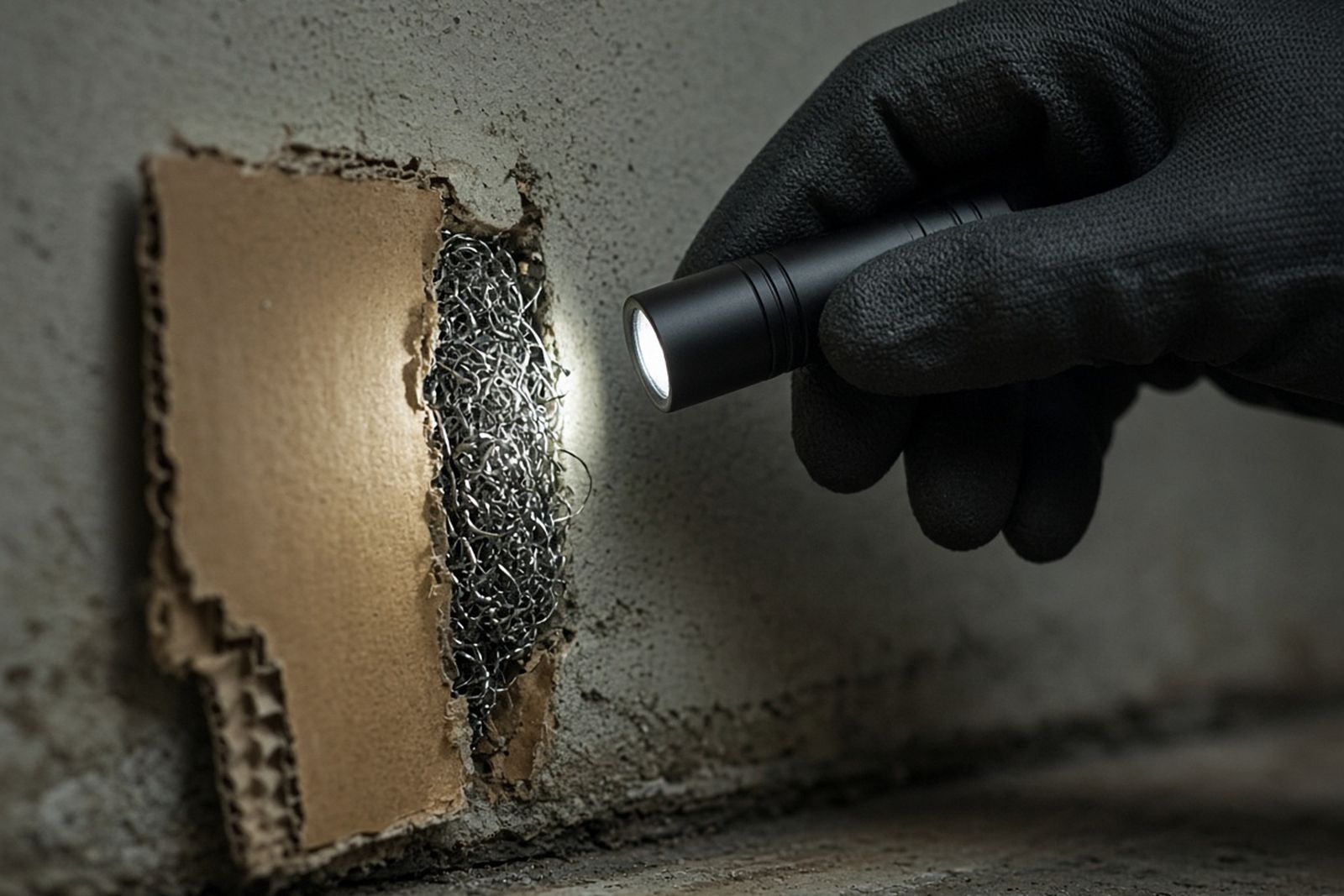
Numbers behind claim organizer decisions
- Civil Code 1941.1
California Civil Code 1941.1 requires landlords to keep rental premises free from accumulations of debris, filth, rubbish, garbage, rodents, and vermin as a condition of habitability.
Read with care: Applies only to California; other states set habitability rules through their own statutes or case law.
Source: California Legislative Information (2024)California residential rental housing, statutory habitability standard
- $395
Professional rat extermination costs an average of $395, with most homeowners paying between $189 and $655, according to HomeAdvisor cost data.
Read with care: Covers extermination only; contamination cleanup, exclusion sealing ($200-$600), and insulation replacement are priced separately.
Source: HomeAdvisor (2026)United States, HomeAdvisor member project cost data, updated June 2026
- $1.50 per sq ft
Attic cleaning costs most homeowners about $438, and rodent decontamination adds roughly $1.50 per square foot plus about $200 to deodorize and disinfect, per Thumbtack data.
Read with care: Marketplace averages vary widely by attic size, contamination level, and whether insulation must be removed.
Source: Thumbtack (2026)United States, Thumbtack marketplace pricing, updated March 31, 2026
- $2,100
Insulating an attic costs about $2,100 on average ($1,700 to $2,500), and removing old insulation runs $1 to $1.50 per square foot, according to HomeAdvisor.
Read with care: Figures are for standard insulation work; contaminated insulation may require hazardous-waste handling that raises the removal price.
Source: HomeAdvisor (2026)United States, HomeAdvisor cost data, updated June 20, 2026
These figures are public research and agency data, not this network's own job records. Keep each number with its population, year and limits; none of them predicts cost, timing or outcome at a specific property.
Insurance Claim Organizer questions for rodent & pest droppings remediation
Is there any point filing if my policy has a vermin exclusion?
Maybe. It can be worth it if a covered event made the opening or damage the rodents then used. Wind, hail, a fallen tree, or a sudden pipe break are examples. The pest exclusion may still apply to the animal damage itself. The covered event is judged on its own. The organizer helps you explain that order of events clearly. Whether anything is paid is up to the insurer, and no one should promise a result.
What photos matter most for a droppings claim?
The most useful photos link a covered event to the mess. Show the storm damage, the leak, or the break-in. Add wide shots of the attic or room, medium shots of droppings in insulation, and close-ups of nests. Show how deep the insulation is and any stains. Take all of these before anything is wetted or moved, and write down the dates. After removal, take photos of the cleared space.
Should I hold off on cleanup until the carrier responds?
Usually not. That is especially true if the attic connects to living space through the heating and cooling system. It is also true if anyone in the home has lung problems. Record everything, tell the insurer, and explain that you are dealing with a health hazard. Then go ahead. Keep the company's work plan and bill. Waiting on removal to protect a claim can expose your household to the very dust the cleanup is meant to remove.
Why separate the remediation invoice from pest control and insulation?
Adjusters judge health-hazard cleanup, pest control, and repairs under different parts of a policy. Pest exclusions are often aimed at the pest work in particular. One combined bill makes it easy to turn down everything at once. Separate papers let each item be judged on its own. They also make clear which costs dealt with a health danger. Other costs may have been for upkeep or an upgrade.
Does the organizer help a landlord whose tenant claims the unit was uninhabitable?
It keeps the timeline, notices, photos, and work plans in order. Those help in any dispute over whether a unit was livable, or in a liability claim. A landlord's duties and a tenant's options depend on the lease and local housing codes. Those vary by state and county, so check with the local office. Whether a liability policy covers a tenant's claim is a question for the insurer, and maybe for a lawyer.
Can the organizer help if rodents chewed through a water line and caused a leak?
Yes. In a case like this, a claim is more likely to be worth filing. Sudden water damage may be treated differently from slow rodent damage. Use the organizer to keep the two apart. Put photos and costs for the water damage in one section. Put the droppings cleanup and gap sealing in another. Keeping them apart helps the adjuster see which parts might fall under your coverage.
What should I record about conversations with my insurer?
Note the date, the name of the person you spoke with, what you asked, and what they said. Pay close attention to anything said about coverage or next steps. Save emails and letters in the same folder as your photos and bills. If an adjuster asks for something, write down the request and the date you sent it. A simple, dated record keeps the claim in order and cuts down on mix-ups later.
Related community polls
Every count is a real visitor vote; nothing is seeded or padded. One vote per poll per device, and you can change your answer.
If you found droppings across your attic insulation, what would you most likely do?
How well do you understand the hantavirus risk from rodent droppings?
Other rodent & pest droppings remediation tools
Cost Range Estimator
Set the affected area, surface types, severity and extras to see an educational cost range and the factors that move it.
OpenProvider Vetting Checklist
Fifteen questions to ask any remediation provider, a readiness score, and a copyable list of what is still unanswered.
OpenFirst 24 Hours Planner
Tell the planner a few facts about the situation and get an ordered list of who to call, what not to touch, and what to photograph.
OpenWaste & Disposal Classifier
Five questions about the material point to the likely waste category and which authority to confirm the rules with.
OpenDIY or Call a Pro? Risk Check
Eight yes-or-no questions that produce a risk level and explain when professional help is the safer choice.
OpenMore on rodent & pest droppings remediation
Rodent & Pest Droppings Remediation services
See how wet cleanup, attic and crawlspace work, bat droppings, sealing gaps, and insulation choices fit together after rodents move in.
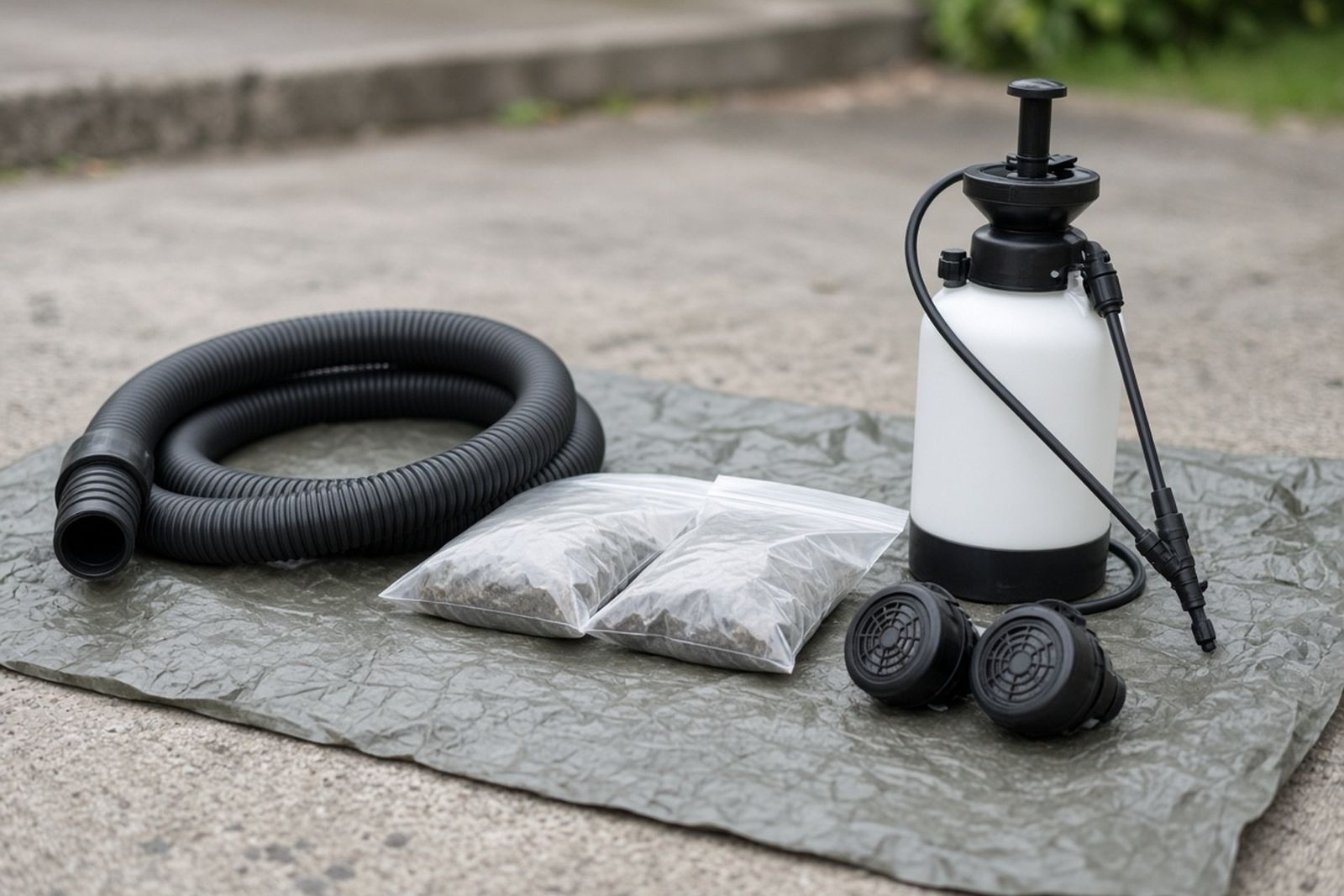
Costs explained
What drives the price, published cost ranges, and how to read a written quote line by line.
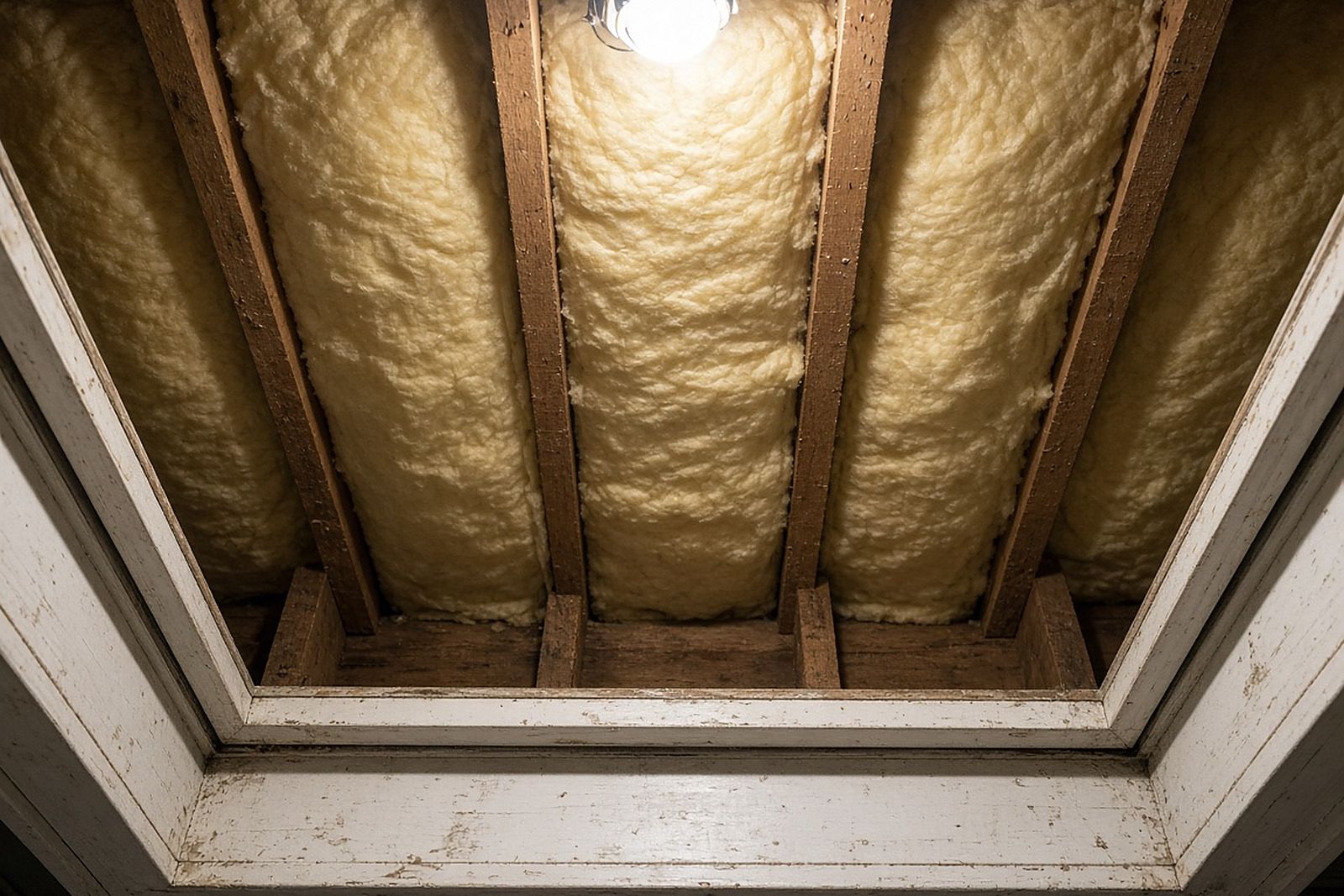
Insurance and payment
Which policies may respond, how to document a claim, and what to do if coverage is denied.
Community polls
See how other homeowners and landlords handle attic droppings, new insulation, and the choice between cleaning up themselves or hiring help.
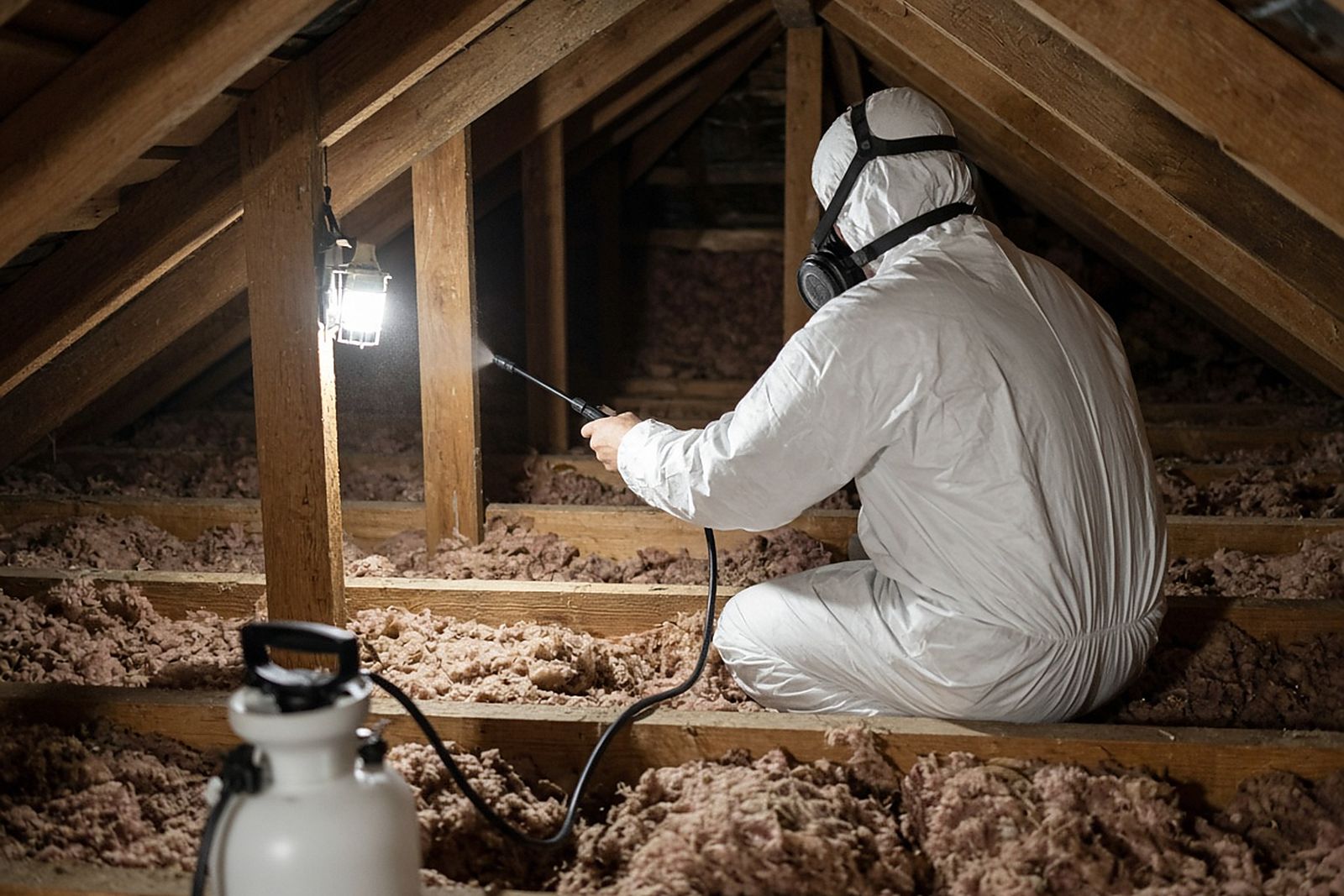
Knowledge quiz
Check whether you know why dry sweeping is dangerous, when insulation must go, and why sealing the gaps comes first.
Articles and resources
Longer reads on nests in cars, rodents in empty homes, bat colonies in attics, and what a good cleanup plan should look like.