Free rodent & pest droppings remediation tool
Rodent & Pest Droppings Remediation DIY or Call a Pro? Risk Check
Eight yes-or-no questions that produce a risk level and explain when professional help is the safer choice.
Some rodent messes are fine for a careful person to handle, and some are not. The difference is mostly about air. Say there are a few droppings on a concrete garage floor with the door open. That is a small job if you wet them, wear gloves and a mask, and bag them. Now picture an attic full of soiled loose insulation. You reach it through a hallway hatch, in summer heat, with a child asleep below. That is not a small job. This risk check asks eight yes-or-no questions. Is the space closed in? Can you air it out? Is insulation or fabric soiled? Is there a strong urine smell? Are there nests or dead animals? Does the space connect to the air system or living areas? Is anyone in the home more at risk of lung illness? Do you have proper breathing protection and a plan?
The result is a risk level with an explanation of which answers drove it. A high result explains why a pro is the safer choice. Reasons may include closed-in air, soaked soft materials, or people at higher risk. You can pass those facts on to a cleanup company. A low result describes the safe method you must still follow. Wet everything with disinfectant before you touch it. Do not sweep or dry-vacuum. Double-bag the waste and wash your hands. It also reminds you to check disposal with the local office. The tool is cautious on purpose, because the danger is dust you cannot see. It does not replace medical advice. Anyone who gets a fever or trouble breathing after contact should see a doctor right away.
How to use it
- 1Answer all eight questions based on what you have actually seen. Include whether you own a suitable mask.
- 2Pay special attention to closed-in space, soiled insulation, links to the air system, and people at higher risk. These count heavily.
- 3Read the risk level and the explanation to see which facts pushed the result up or down.
- 4If a pro is suggested, go on to the First 24 Hours Planner and the Provider Vetting Checklist.
Prefer to ask a person?
Your request is sent to the follow-up inbox. A coordinator can reply by email. Not for emergencies; call 911 first if anyone is in danger.
Check whether DIY is safe
Rodent & Pest Droppings Remediation: DIY or call a pro?
Eight yes-or-no questions. The result is an educational risk level, not a safety clearance.
1. Is there blood, body fluid, or anything that could carry a bloodborne pathogen?
2. Has the material soaked into carpet, padding, a mattress, drywall or a subfloor?
3. Is there a strong or lingering odor?
4. Could needles, broken glass, drug residue or unknown chemicals be present?
5. Does the affected area cover more than a small spot, or more than one room?
6. Will children, older adults, pregnant people or anyone immunocompromised use the space afterward?
7. Do you need documentation for insurance, a landlord, a sale, or an estate?
8. Would you be doing this while grieving, exhausted or under time pressure?
8 questions left to answer.
A worked example
Picture a made-up hobbyist fixing up an old pickup that sat under a tarp in a field for years. He pulls the seat and finds a mouse nest in the springs. There are droppings across the floor and more inside the heater box. He runs the risk check. The cab is closed in, but he can open both doors and work outside, so he answers yes on airflow. The seat padding and nest are soft and soiled. The smell is mild. There are nests. The cab is not linked to any home, so the air system question is a no. No one at higher risk will be near the truck. He owns a mask and gloves from a painting project. The tool gives a moderate result. It names the soiled seat padding and the nest as concerns. It names the outdoor airflow and the lack of people nearby as things that lower the risk. It says a careful person could go ahead. He should wet everything and bag the padding and nest. He should clean the floor with a disinfectant used as its label says, and replace the cabin filter. He should never run the fan to clear debris. It also notes that a heater box packed with nest may be better left to a shop with proper gear. He does the floor and seat himself and sends the heater box to a shop.
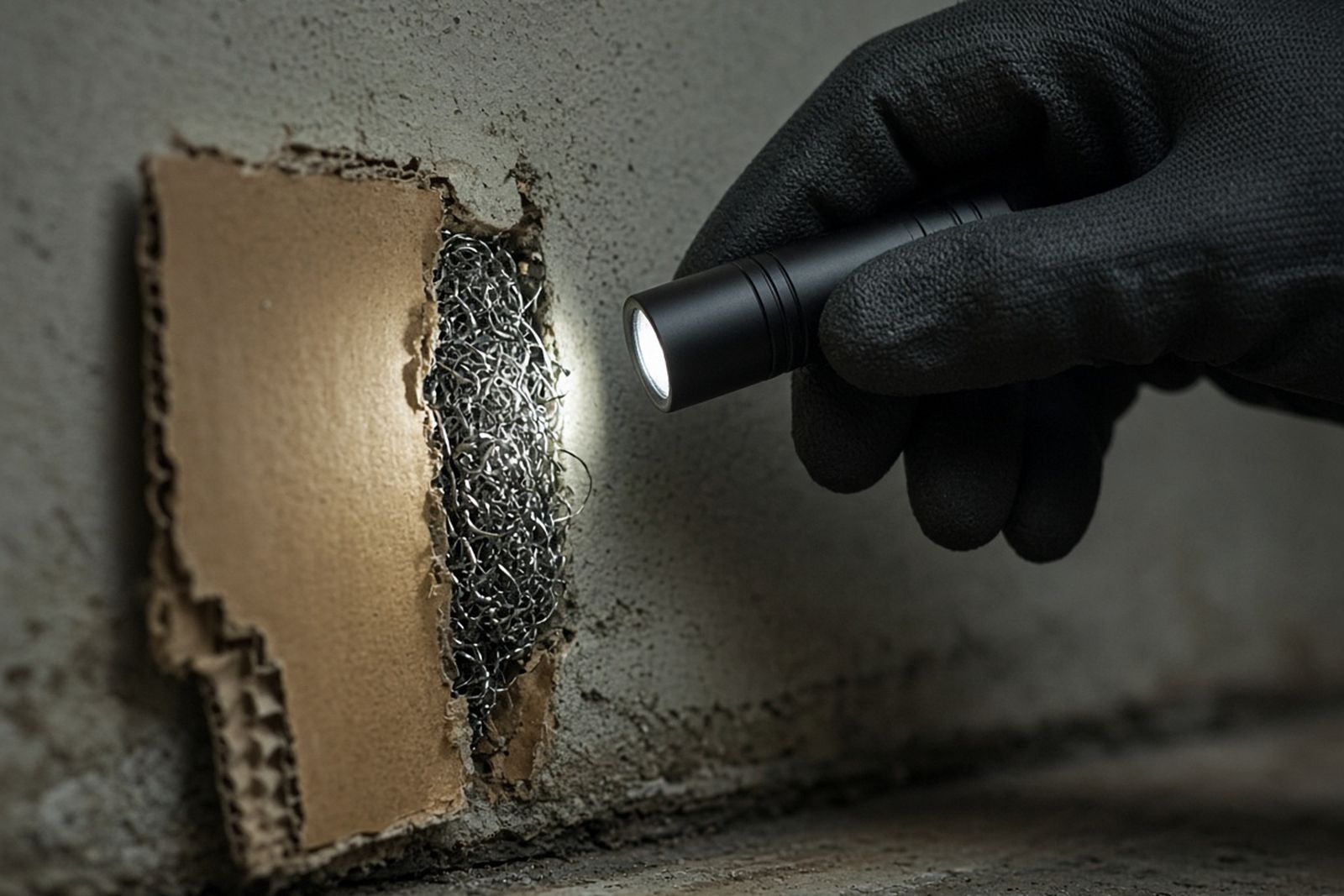
Numbers behind diy risk check decisions
- 890
CDC counted 890 laboratory-confirmed hantavirus disease cases in the United States from the start of surveillance in 1993 through the end of 2023.
Read with care: Counts are cumulative over three decades and include both pulmonary and non-pulmonary infections; annual cases are typically only a few dozen.
Source: CDC (2024)United States, 1993 through December 2023, all reported hantavirus disease cases
- 11.9%
Residents of about 14.8 million U.S. housing units, or 11.9 percent of occupied homes, reported seeing rodents in the previous 12 months in the 2019 American Housing Survey.
Read with care: Self-reported sightings of any mouse or rat; does not measure infestation severity or contamination.
Source: U.S. Census Bureau (2021)United States, roughly 124 million occupied housing units, 2019 survey year
- 5%
CDC estimates about 5 percent of house mice across the United States carry lymphocytic choriomeningitis virus, and 2 to 5 percent of urban residents show evidence of past infection.
Read with care: Prevalence varies by location, and LCM is usually mild with mortality under 1 percent, though it is dangerous in pregnancy.
Source: CDC (2014)United States house mouse population and urban human seroprevalence, CDC estimates
- 82%
Mouse allergen was detectable in an estimated 82% of homes in this historical survey.
Read with care: Historical allergen detection; does not mean active mice in every positive home.
Source: Cohn et al. (2004)Representative sample of 831 US housing units in the first national housing-allergen survey.
These figures are public research and agency data, not this network's own job records. Keep each number with its population, year and limits; none of them predicts cost, timing or outcome at a specific property.
DIY or Call a Pro? Risk Check questions for rodent & pest droppings remediation
Which answers push the result to high most often?
The biggest ones are a closed-in space you cannot air out and soiled insulation or other soaked soft materials. A strong urine smell also counts, and so does a link to the air system or living areas. So does anyone in the home with asthma or other lung problems, young children, or older adults. Any one of these raises the level a lot. Two or more together nearly always give a high result.
Does a low result mean I can sweep the droppings up?
No. Every result, even low, means you must wet the material first. Use a disinfectant or soapy water before you touch it. Lift it into a bag with paper towels or a gloved hand. Never sweep, dry-vacuum, or use a leaf blower. A low result just means the amount and setting make that careful method fair for a prepared person. You should still check disposal with the local office.
What counts as appropriate respiratory protection for the purpose of this tool?
The tool asks whether you have a mask made to filter fine particles that seals well to your face. A loose paper dust mask does not count. The tool does not approve any specific product. If you are not sure whether yours qualifies, answer no, and the tool will be more cautious. Public health advice on rodent cleanup describes the kind of protection that is usually recommended.
How does the tool handle bat guano?
When you mark bat droppings, the tool raises the starting risk. Piles of dried bat droppings can carry fungus spores. So the tool stresses walling off the area and breathing protection. It also notes that removing or keeping out bats may be limited by season. Wildlife rules vary by state and county. Check with the local wildlife office before you do anything other than leave the material alone.
The result says professional help, but I cannot afford a provider right now. What should I do?
Leave the material alone and keep the space closed. Keep people and pets out, and shut off any air system linked to it. Droppings that are left alone are far less risky than droppings that are stirred up. So time is on your side while you find the money or ask a company about doing the work in stages. Use the Cost Range Estimator to see what drives the price and where the plan might be trimmed safely.
Should I retake the check after I learn more about the space?
Yes. Many people take it before they look closely. Then they find a nest, soiled insulation, or droppings in more places. Retake the check with your new answers, since those details can change the result. It is also worth retaking if someone's health in the home changes. The same goes if you realize the space is more closed in than you thought. The result should reflect what you actually know.
Does the check apply to cleaning a camper that has sat closed all winter?
It can help. A closed camper has a lot in common with a closed car cab. It has little airflow, fabric cushions, and hidden spots where mice nest. Answer the questions about closed space and nests honestly. Air the camper out with doors and windows open before you start. Check cabinets, vents, and under cushions. If the result points to a pro, look for a company with experience in cars and RVs.
Related community polls
Every count is a real visitor vote; nothing is seeded or padded. One vote per poll per device, and you can change your answer.
If you found droppings across your attic insulation, what would you most likely do?
How well do you understand the hantavirus risk from rodent droppings?
Other rodent & pest droppings remediation tools
Cost Range Estimator
Set the affected area, surface types, severity and extras to see an educational cost range and the factors that move it.
OpenProvider Vetting Checklist
Fifteen questions to ask any remediation provider, a readiness score, and a copyable list of what is still unanswered.
OpenInsurance Claim Organizer
A guided checklist from finding the policy to tracking the carrier decision, with a printable summary of where the claim stands.
OpenFirst 24 Hours Planner
Tell the planner a few facts about the situation and get an ordered list of who to call, what not to touch, and what to photograph.
OpenWaste & Disposal Classifier
Five questions about the material point to the likely waste category and which authority to confirm the rules with.
OpenMore on rodent & pest droppings remediation
Rodent & Pest Droppings Remediation services
See how wet cleanup, attic and crawlspace work, bat droppings, sealing gaps, and insulation choices fit together after rodents move in.
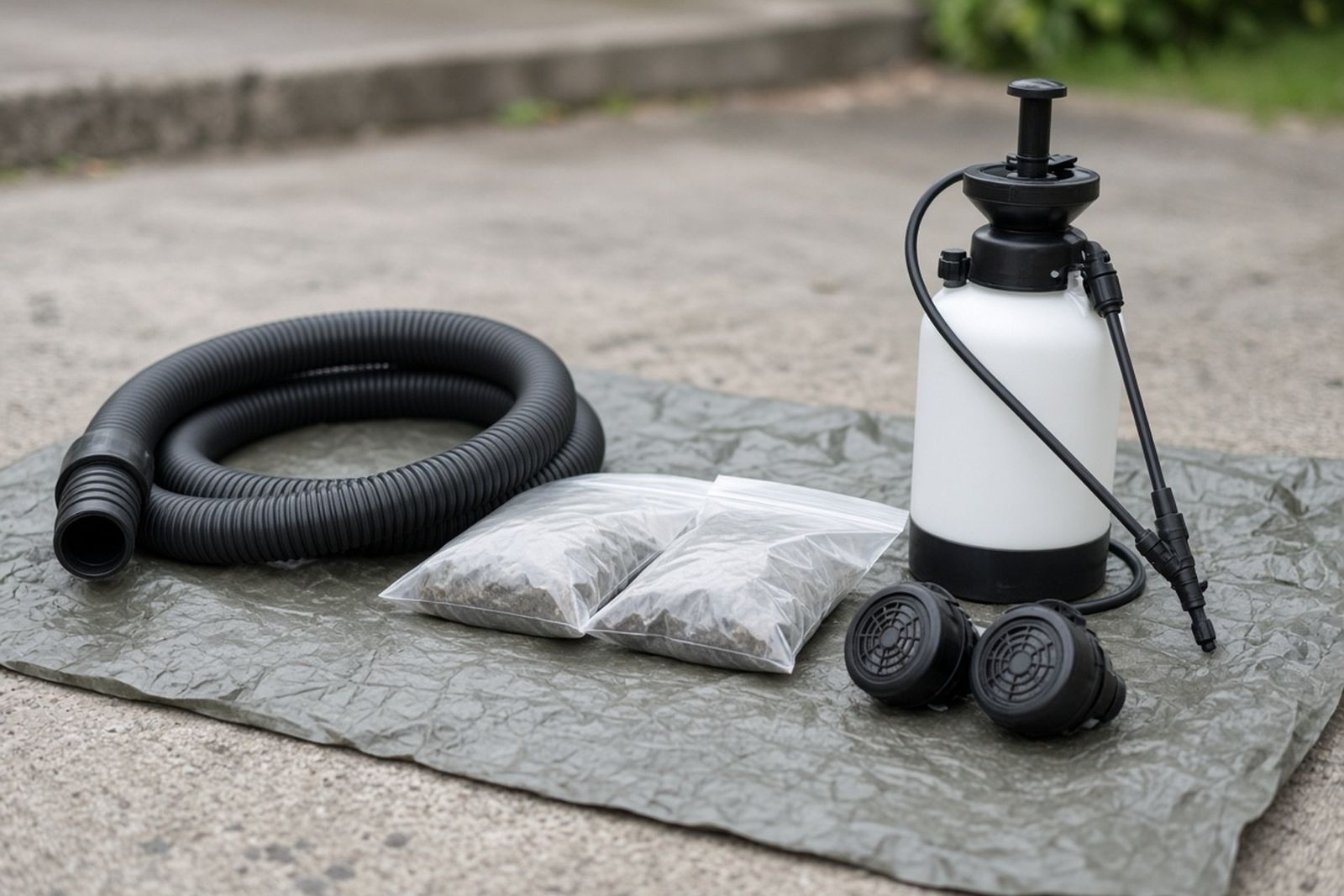
Costs explained
What drives the price, published cost ranges, and how to read a written quote line by line.
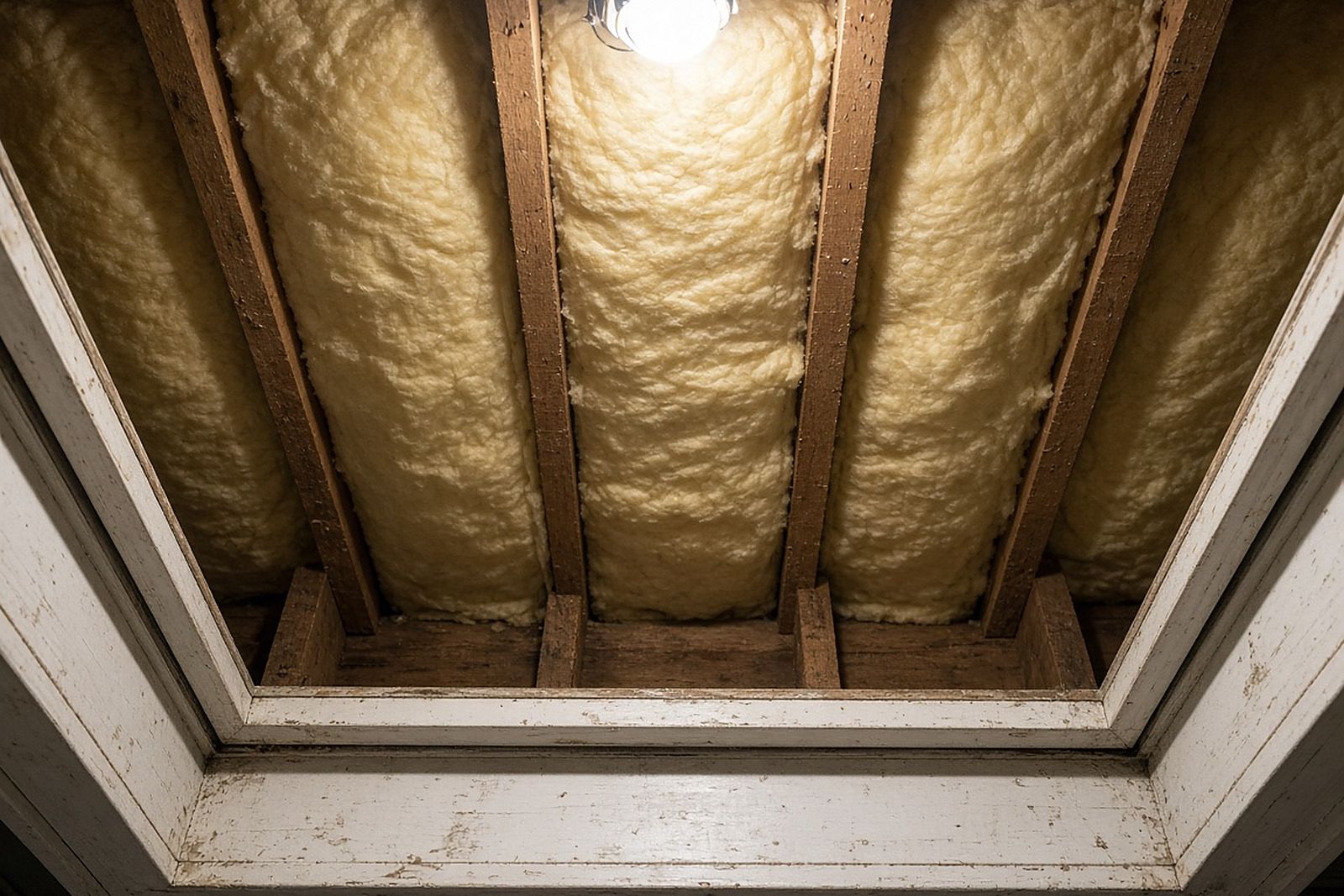
Insurance and payment
Which policies may respond, how to document a claim, and what to do if coverage is denied.
Community polls
See how other homeowners and landlords handle attic droppings, new insulation, and the choice between cleaning up themselves or hiring help.
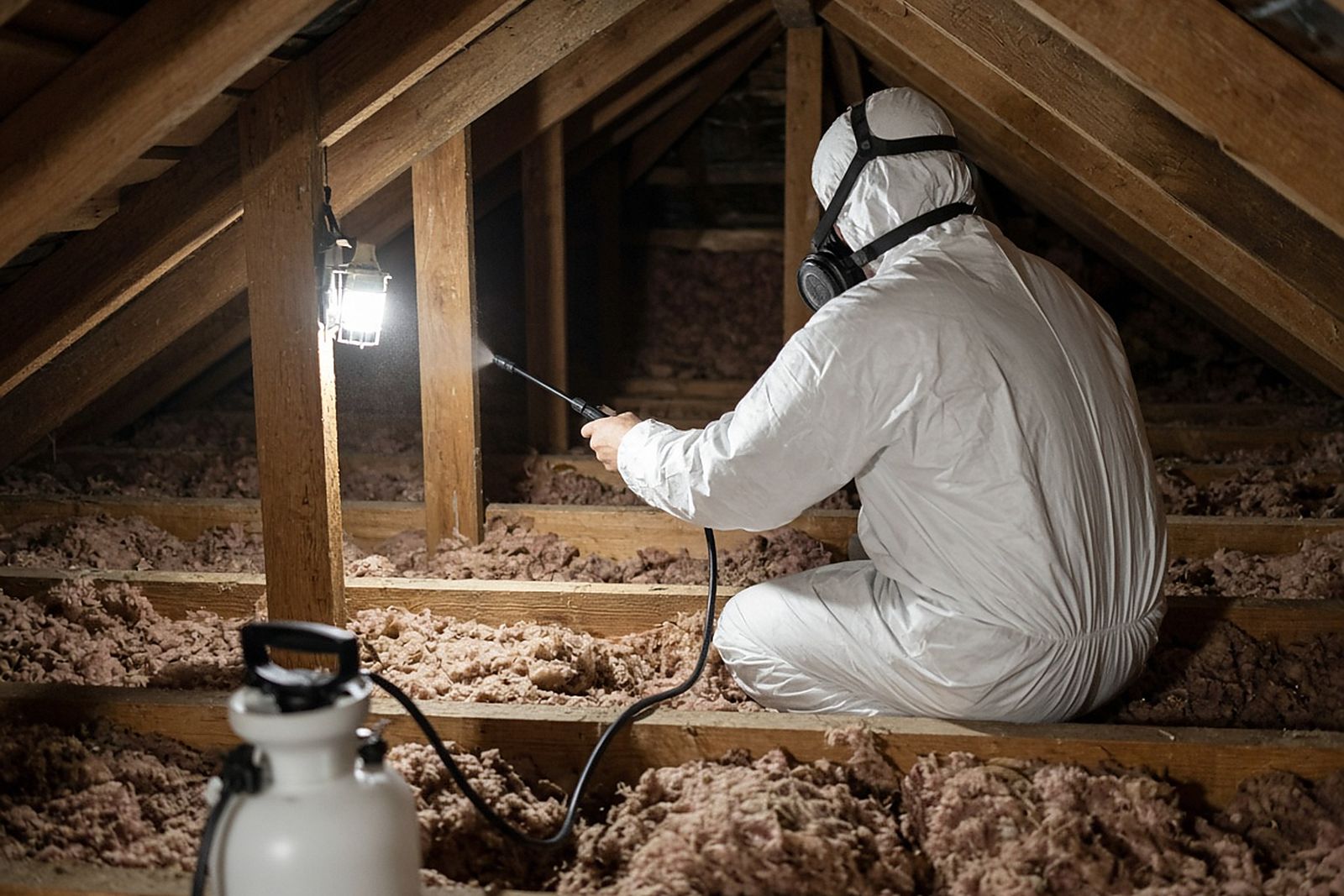
Knowledge quiz
Check whether you know why dry sweeping is dangerous, when insulation must go, and why sealing the gaps comes first.
Articles and resources
Longer reads on nests in cars, rodents in empty homes, bat colonies in attics, and what a good cleanup plan should look like.