Free rodent & pest droppings remediation tool
Rodent & Pest Droppings Remediation Waste & Disposal Classifier
Five questions about the material point to the likely waste category and which authority to confirm the rules with.
Many people think anything called a biohazard must go into red bags and a medical waste truck. That belief makes rodent cleanup sound harder and costlier than it usually is. In most places, droppings, nests, urine-soaked insulation, and soiled stored items are handled as regular trash. First they are wetted, sealed in bags, and kept from leaking. Regulated medical waste is built around human blood and clinic materials, and rodent waste is neither. This guide asks five questions. What is the material, and where did it come from? Are dead animals, pesticides, or bait mixed in? How is it packed, and where is it going? Then it suggests a likely category and names the office that confirms it where you live.
This tool matters because there are exceptions, and rules vary by state and county. Many dead animals, leftover rat poison, or a mess in a business that handles food can change things. The material may go a different route, or need special handling. Bat and bird droppings usually follow the same trash path. But they can raise local questions when there is a lot of it or the building is public. Being labeled hazardous waste is rare. It usually comes from chemicals, not from the droppings themselves. The guide explains its reasoning so you can ask a hauler, a cleanup company, or a landfill the right question. It always ends by telling you to check with the local office before anything leaves the property.
How to use it
- 1Describe the material. It may be droppings and nests, soiled insulation, dirty belongings, dead animals, or bat and bird droppings.
- 2Say where it came from, such as a home attic, a rental unit, a business building, or a car.
- 3Note whether pesticides, bait, chemicals, or many dead animals are mixed in, and how the material is packed.
- 4Read the likely category and the reasoning. Then confirm with the state or county office the tool names before you throw anything out.
Prefer to ask a person?
Your request is sent to the follow-up inbox. A coordinator can reply by email. Not for emergencies; call 911 first if anyone is in danger.
Work out the likely waste path
Rodent & Pest Droppings Remediation waste and disposal classifier
Points you to the likely waste category and who confirms the rule. State and local definitions control; verify before anything leaves the property.
Likely regulated medical waste (biohazard)
- Materials saturated with blood or other potentially infectious material, or that would release liquid if compressed, are treated as regulated medical waste in most states.
- Packaging usually means red bags inside rigid containers, labeled with the biohazard symbol, and a licensed transporter with a manifest.
Who confirms the rule
- State health or environmental agency (regulated medical waste program)
- The remediation provider, who should name the transporter and treatment facility in writing
This is an educational sorting aid, not a regulatory determination. Waste rules vary by state and county.
A worked example
Picture a made-up owner of a detached garage. Over the winter, mice have moved into a stack of moving boxes, an old sofa, and a bin of holiday decorations. There are droppings everywhere, a nest inside a sofa cushion, and a couple of dead mice in a snap trap he set weeks ago. In the guide, he describes the material. It is droppings, nests, dirty belongings, and a few dead mice from a home garage. No pesticides or bait were used, and it will be wetted and double-bagged. The tool suggests regular trash as the likely category. It explains that wetted, sealed rodent waste from a home is usually accepted by city trash service or a rented dumpster. The sofa may need to be booked as a bulky item. In most places, a few dead mice do not change the category. The tool notes that if he had used poison bait, questions about leftovers might come up. It adds that some haulers have their own rules about dead animals. It names the county trash office as the place to confirm. It suggests asking whether the bulky pickup service takes items marked as pest-soiled. He calls, confirms, and books the pickup for the day after the cleanup.
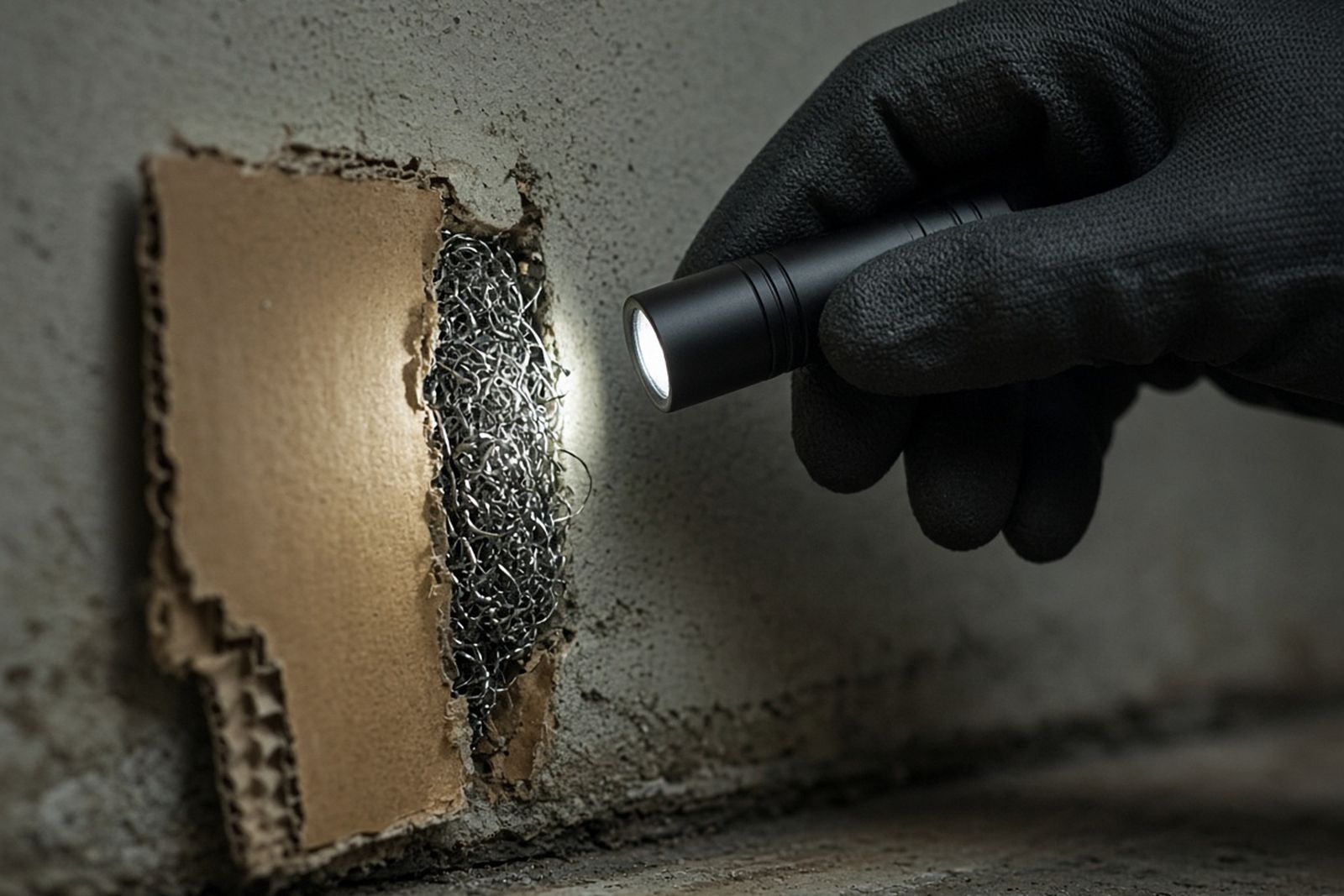
Numbers behind waste classifier decisions
- $13.416 billion
U.S. structural pest control companies generated $13.416 billion in service revenue in 2025, up 6 percent from $12.654 billion in 2024, according to NPMA's industry survey.
Read with care: Covers all structural pest control, not rodent cleanup specifically, and relies on a trade-association survey.
Source: National Pest Management Association (2026)United States structural pest control service revenue, calendar 2025, survey of 800 company leaders
- 30 minutes
CDC advises opening doors and windows and leaving the area for 30 minutes to ventilate a home or outbuilding before cleaning up rodent droppings.
Read with care: Guidance is for typical households; heavy infestations and disease-confirmed sites call for additional precautions.
Source: CDC (2024)United States public-health guidance for homes, garages, and outbuildings
- 34,696
Federal OSHA conducted 34,696 inspections in fiscal year 2024 and has roughly one compliance officer for every 70,000 workers.
Read with care: Excludes inspections by state-plan agencies.
Source: OSHA (2024)United States, federal OSHA, FY2024
- 10 square feet
EPA says moldy areas smaller than about 10 square feet can usually be handled by the homeowner, while larger areas warrant professional guidance.
Read with care: Applies to mold; contaminated sewage or biohazard materials are treated differently.
Source: US EPA (2026)Residential guidance, United States
These figures are public research and agency data, not this network's own job records. Keep each number with its population, year and limits; none of them predicts cost, timing or outcome at a specific property.
Waste & Disposal Classifier questions for rodent & pest droppings remediation
Are rodent droppings regulated medical waste?
Usually not. Regulated medical waste is defined around human blood, needles, and clinic materials. In most places, rodent waste does not fit that definition. Droppings, nests, and soiled insulation are usually regular trash once they are wetted and sealed. The guide notes the exceptions. One example is a mess in a health care or food business, where site rules apply. In every case, it tells you to check with the local office.
What if poison bait or rodenticide was used before the cleanup?
Leftover rat poison, spilled bait, and poisoned dead animals can raise questions about pesticide waste. That is more likely with large amounts or in a business. The guide flags this. It suggests contacting the state environment or farm agency as well as the local trash office. Read the product label for disposal steps. Tell your hauler or cleanup company what was used. Rules vary by state and county.
Does contaminated insulation need special disposal?
It is usually bagged and thrown out as building or bulk trash. Sometimes it goes in a dumpster the cleanup company arranges. Some landfills ask that it be labeled or booked ahead, and a few limit loose fiberglass. The tool explains the likely path and names the office to confirm with. Ask the company to describe where the waste goes in the written plan. Then your home file shows where it went.
How is bat guano classified compared with rodent droppings?
In most places, the same way. It is regular trash once wetted and sealed. The difference is in handling. Dry bat droppings can carry fungus spores, so breathing protection and walling off the area matter more. Large piles in public or historic buildings can trigger local rules. Wildlife rules on when bats can be kept out are separate from disposal. They vary by state and county, so check with the local wildlife office.
Can a provider legally haul this waste, or do I need a licensed medical waste transporter?
Rodent waste is usually regular trash. So a cleanup company or a standard hauler can usually carry it without a medical waste license. Local rules about amount and vehicle registration may still apply. The guide will explain this and point you to the office that confirms it. If a company insists that droppings alone need a medical waste hauler, ask them to name the rule.
Can I rent a dumpster for insulation removed from my attic?
Often, yes, but check with the rental company first. Some haulers limit certain materials or require them to be bagged. Some charge by weight. Tell them the material is insulation soiled by rodents that has been disinfected and bagged. Ask whether any local rules affect where it can go. Keep the dumpster covered so animals or weather do not tear the bags open.
What should happen to used respirator filters and disposable coveralls?
Treat them like the rest of the dirty waste from the job. Take off coveralls with care by rolling them inside out. Put them in a bag with any used filters and throwaway gloves. Seal it, then put that bag inside a second one. Throw it out with household trash unless your local rules say otherwise. Wash your hands. Clean any reusable mask parts the way the maker's instructions say.
Related community polls
Every count is a real visitor vote; nothing is seeded or padded. One vote per poll per device, and you can change your answer.
If you found droppings across your attic insulation, what would you most likely do?
How well do you understand the hantavirus risk from rodent droppings?
Other rodent & pest droppings remediation tools
Cost Range Estimator
Set the affected area, surface types, severity and extras to see an educational cost range and the factors that move it.
OpenProvider Vetting Checklist
Fifteen questions to ask any remediation provider, a readiness score, and a copyable list of what is still unanswered.
OpenInsurance Claim Organizer
A guided checklist from finding the policy to tracking the carrier decision, with a printable summary of where the claim stands.
OpenFirst 24 Hours Planner
Tell the planner a few facts about the situation and get an ordered list of who to call, what not to touch, and what to photograph.
OpenDIY or Call a Pro? Risk Check
Eight yes-or-no questions that produce a risk level and explain when professional help is the safer choice.
OpenMore on rodent & pest droppings remediation
Rodent & Pest Droppings Remediation services
See how wet cleanup, attic and crawlspace work, bat droppings, sealing gaps, and insulation choices fit together after rodents move in.
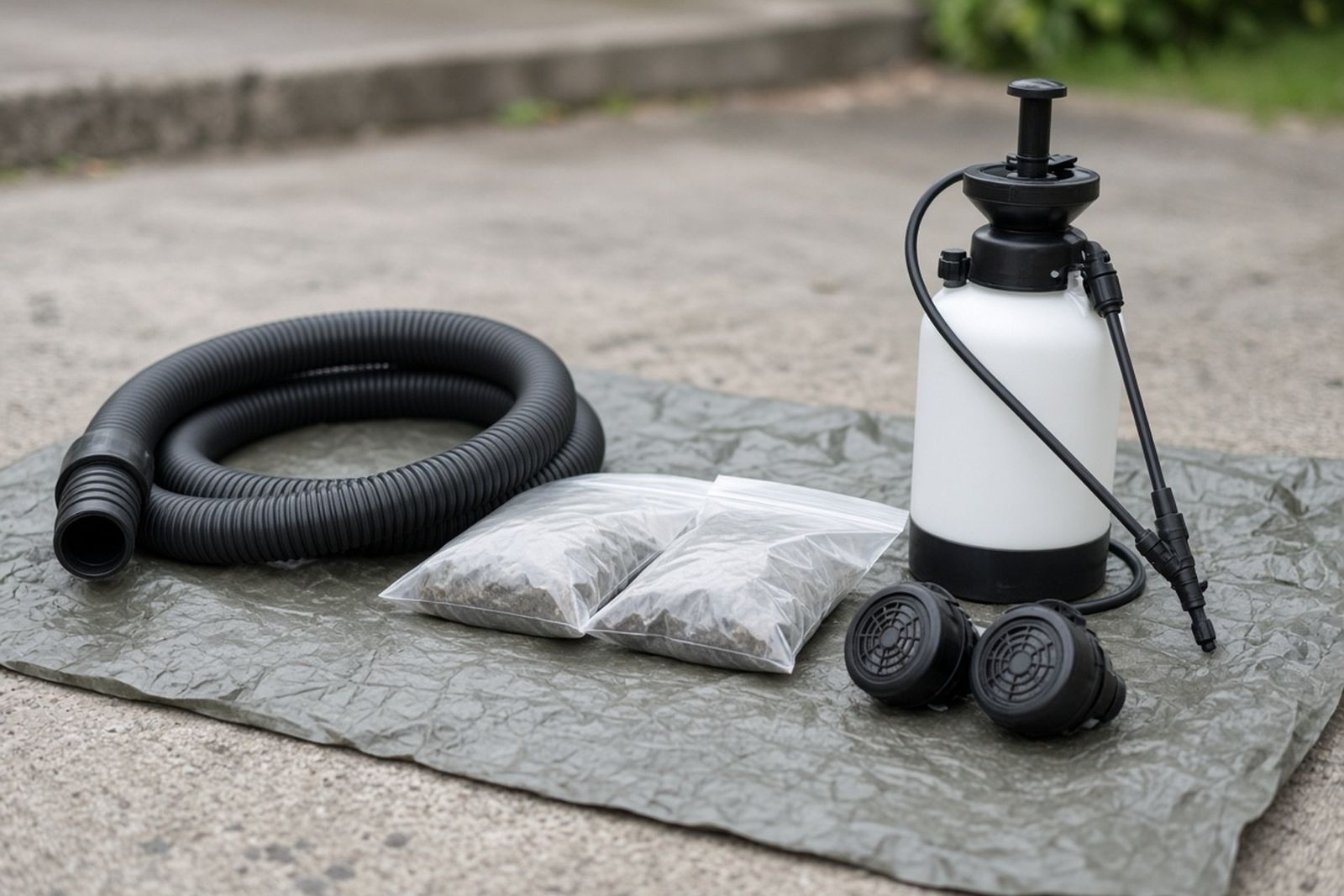
Costs explained
What drives the price, published cost ranges, and how to read a written quote line by line.
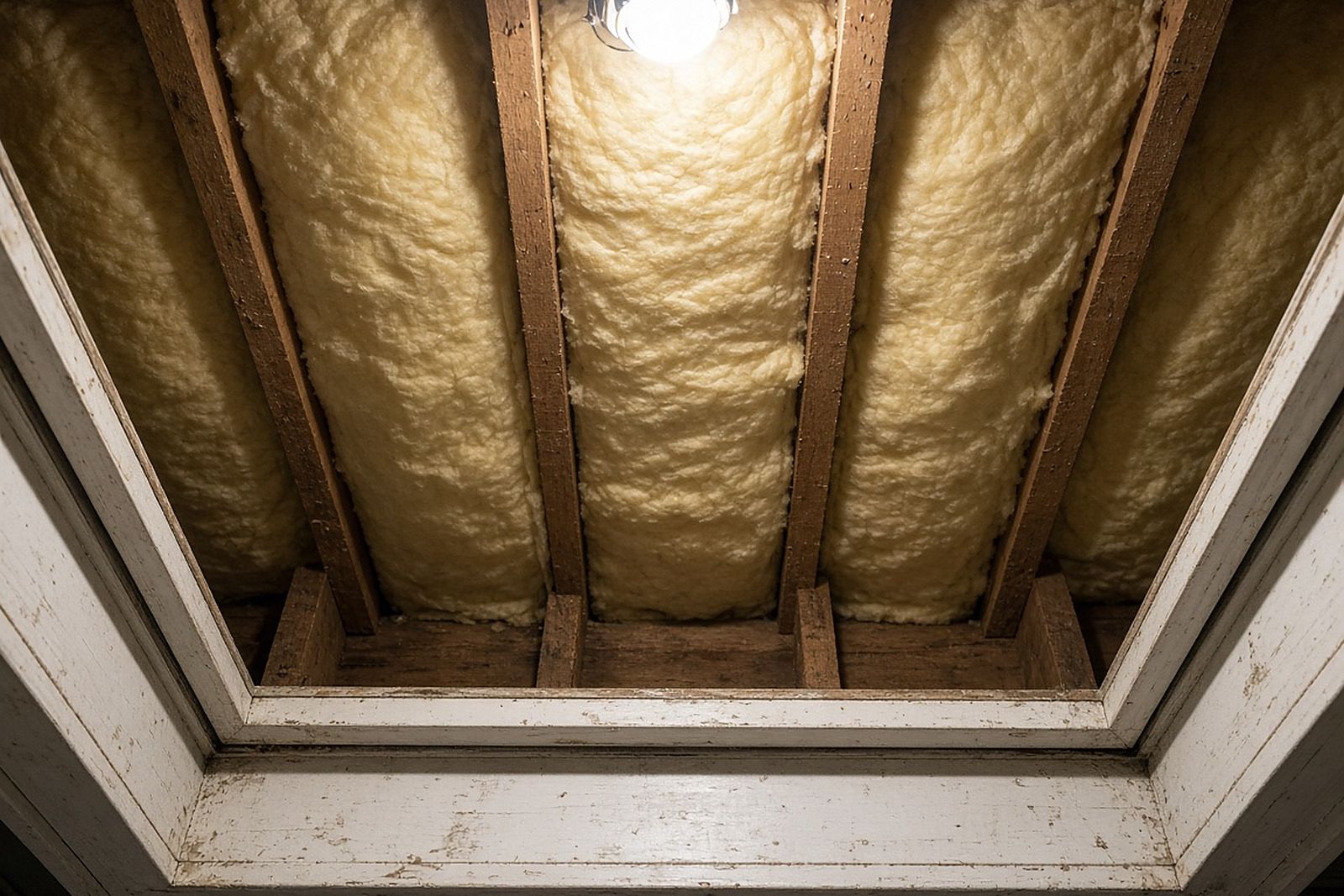
Insurance and payment
Which policies may respond, how to document a claim, and what to do if coverage is denied.
Community polls
See how other homeowners and landlords handle attic droppings, new insulation, and the choice between cleaning up themselves or hiring help.
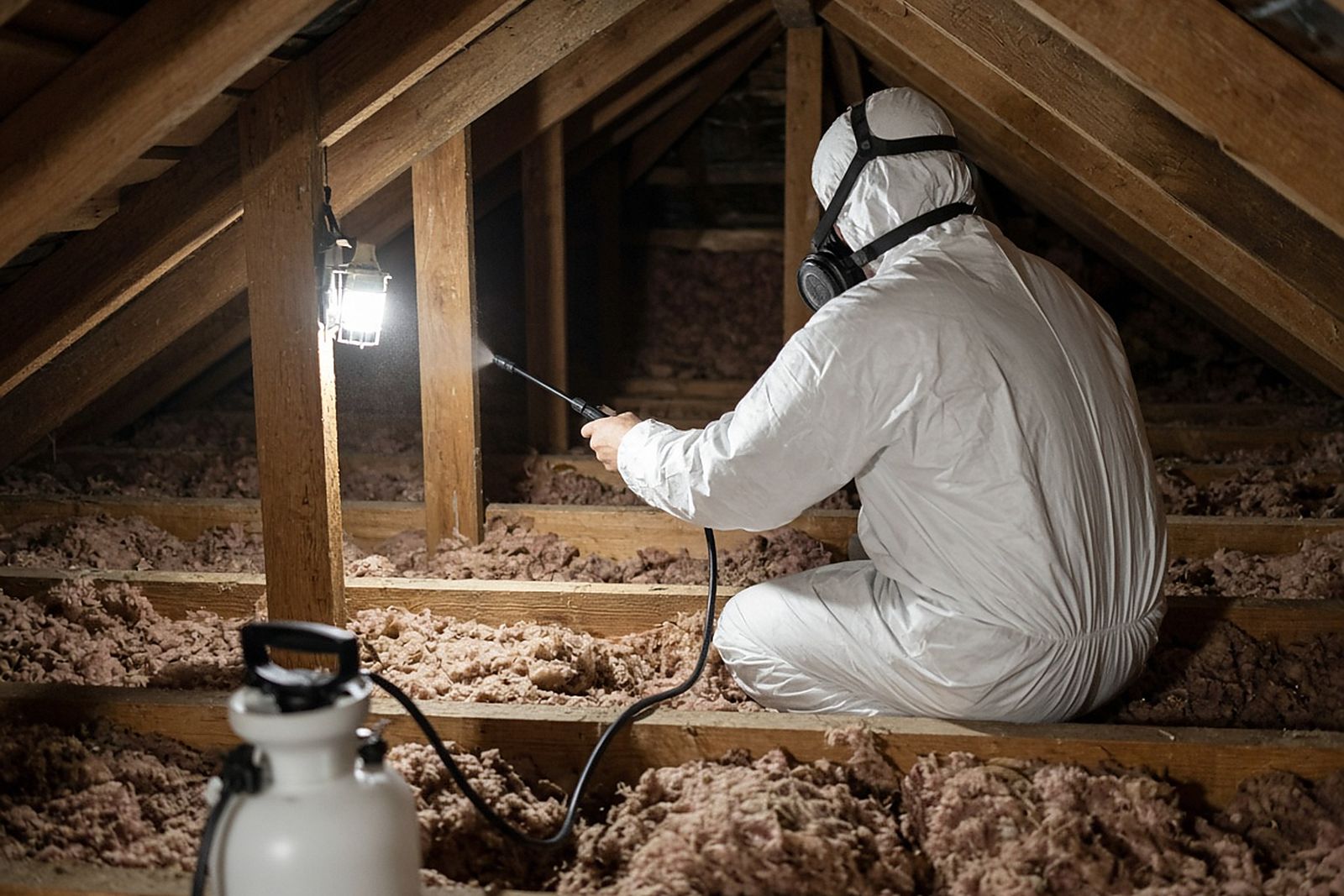
Knowledge quiz
Check whether you know why dry sweeping is dangerous, when insulation must go, and why sealing the gaps comes first.
Articles and resources
Longer reads on nests in cars, rodents in empty homes, bat colonies in attics, and what a good cleanup plan should look like.