1Recognizing an infestation and judging its extent
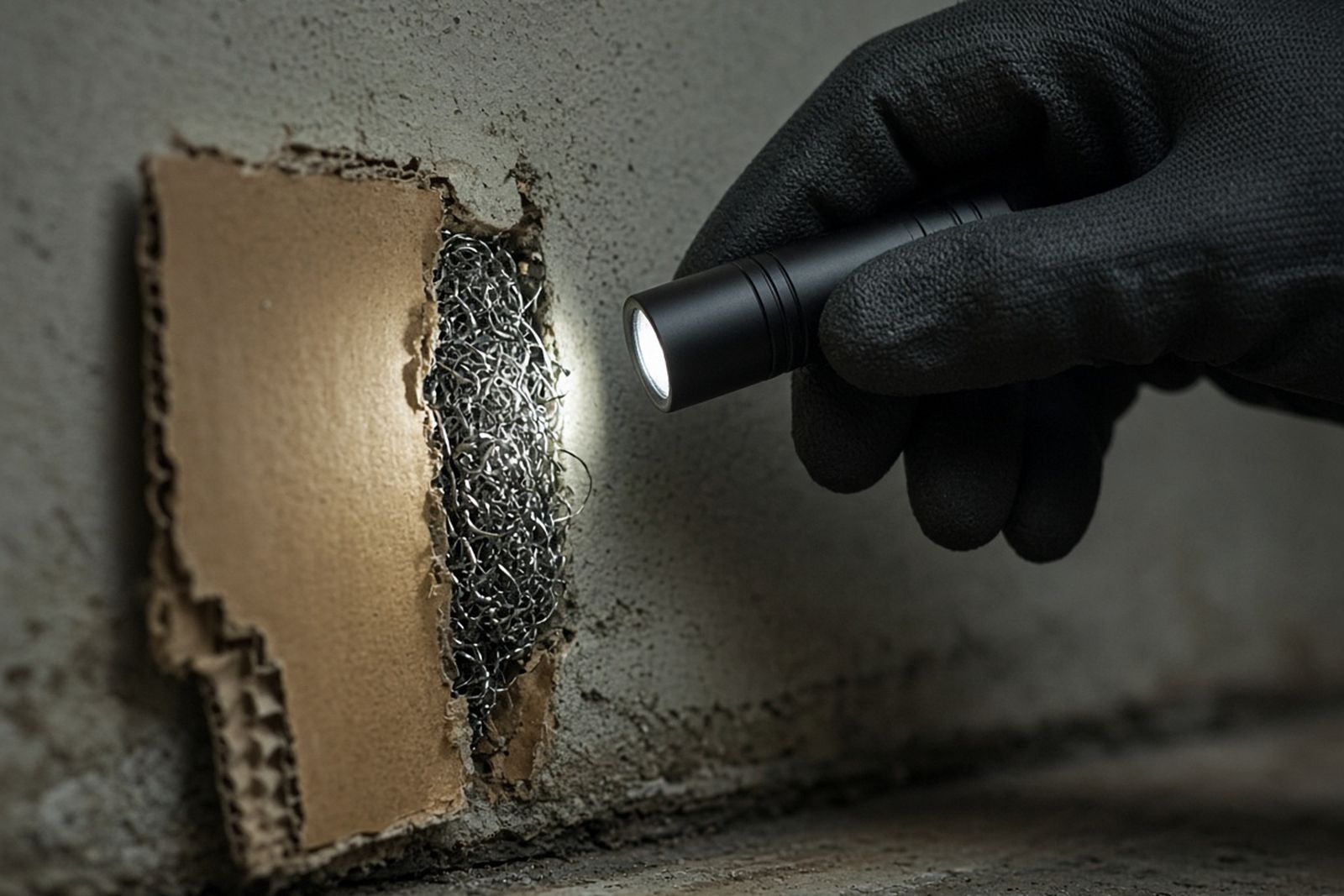
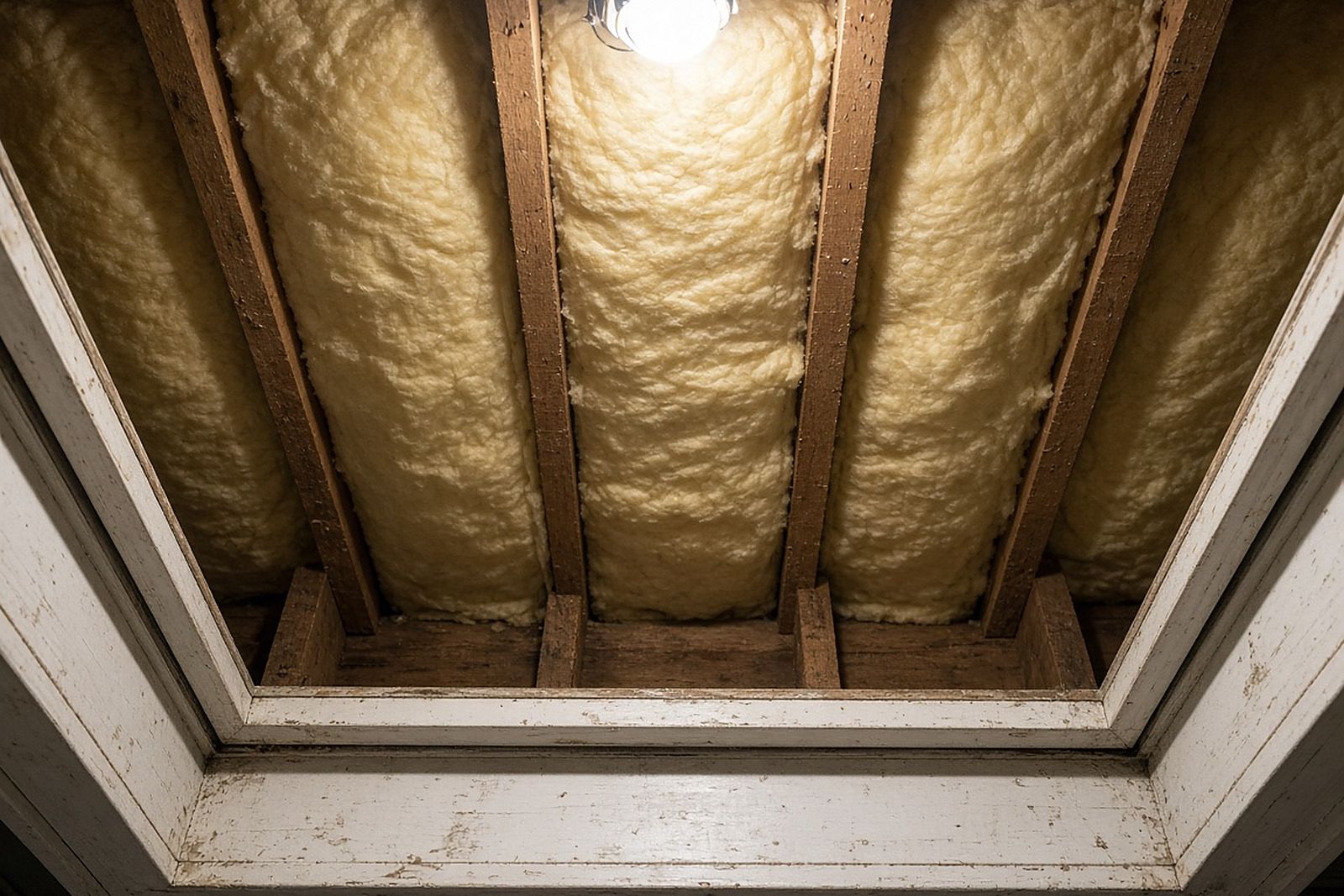
Droppings are the obvious sign, but how far the mess spreads is what matters. Look for greasy rub marks along baseboards and beams where fur has brushed. Look for chewed edges on stored boxes and wires. Look for shredded paper or insulation piled into nests. A strong ammonia smell that lingers means urine has soaked into soft materials. In attics, use a tool and a light to pull back a small patch of insulation. See if the mess is only on top or all the way through. In crawlspaces, check the plastic ground cover and the air ducts. In cars, check the air filter box and under the seats. A few pellets on a concrete floor is a very different problem from insulation soaked with months of urine. Be honest about which one you have, since it drives every choice after.
2Who is responsible in rentals, shared buildings, and sales
In a rental, the landlord is usually responsible for keeping the home livable and free of pests. But a tenant whose own habits invite rodents may share the blame under the lease. In condos and townhouses, attics and crawlspaces are often shared spaces. So the owners' association may handle the structure while each owner handles the inside of their unit. During a sale, disclosure duties and inspection findings decide who pays for a mess found before closing. Employers whose workers may disturb rodent waste must give them training and safety gear. Housing codes, association papers, and disclosure rules vary by state and county. So read your lease or association papers and check with the local office instead of guessing.
3Keeping contaminated dust out of the living space
Walling off the work area is all about the air. Seal the attic hatch or crawlspace door with plastic sheeting and a zipper or flap. That keeps stirred-up dust from drifting into halls and bedrooms. If the heating and cooling system pulls air from that space, turn it off and cover the vents until the work is done. Workers should wet droppings and nests before moving them. They should never sweep, blow, or dry-vacuum. They should carry sealed bags on a path that avoids clean rooms. People with asthma or other lung problems, young kids, and older adults should stay elsewhere during the dusty work. Air cleaners may run inside the work area to catch what wetting misses. None of this is fancy. It is simply the habit of treating dust as the danger.
4Cleaning versus disinfecting after the waste is gone
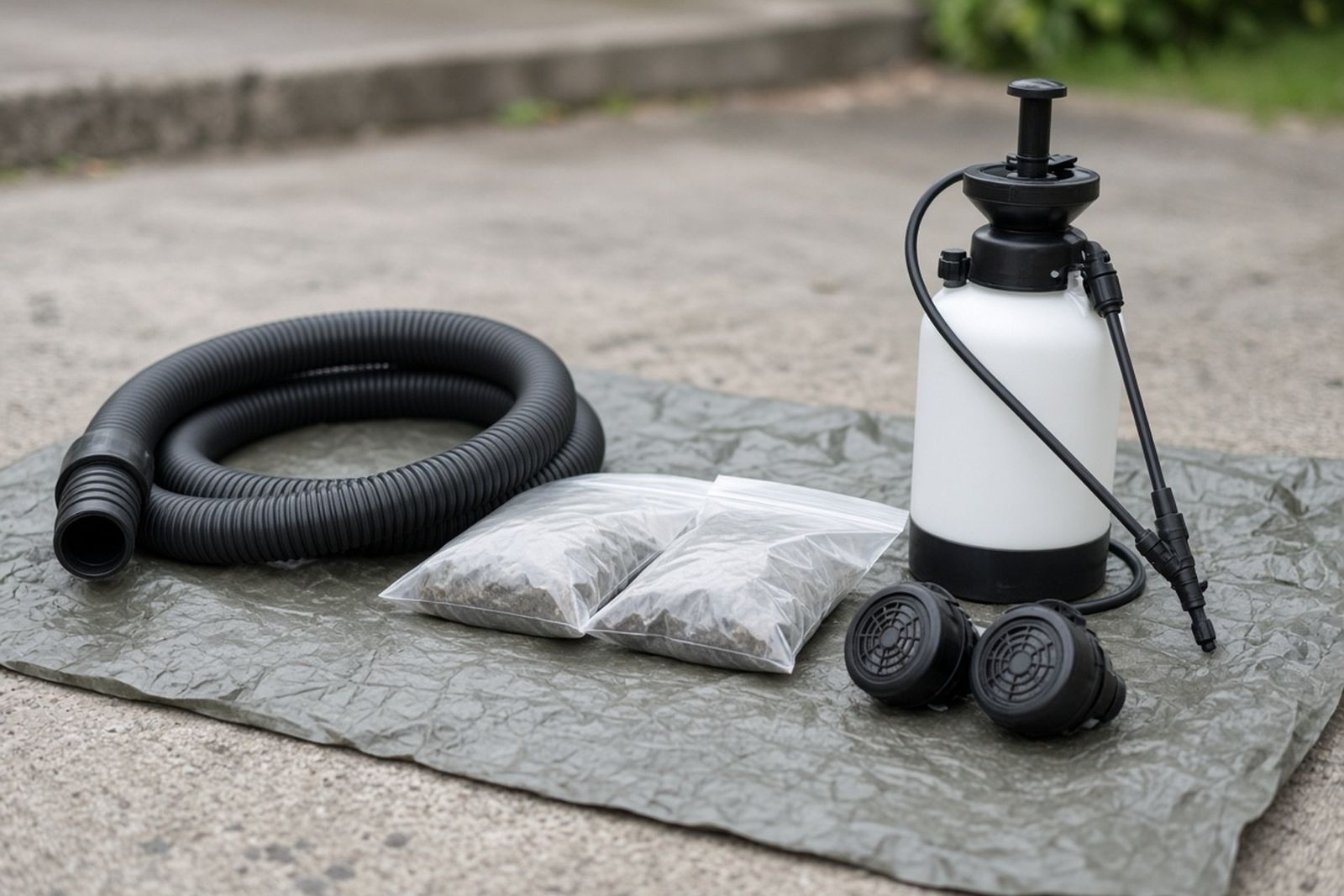
Removing droppings and nests is cleaning. It means lifting the dirt off a surface, using wet material, gloved hands, and filtered vacuums. Disinfecting comes next, and it only works on surfaces that are already clean. You use a disinfectant registered for the job. That could be one on EPA List N, or a product whose label fits the germ of concern. You leave it wet for as long as the label says before you wipe or let it dry. Spraying disinfectant on a pile of droppings and calling it done leaves the pile in place. Soft materials soaked with urine cannot be reliably disinfected. That includes insulation, cardboard, mattresses, and fabric, and they are usually thrown out. Hard wood beams, roof boards, concrete, and metal can be cleaned and treated in place.
5Where the bagged waste and soiled insulation go
Rodent droppings, nests, soiled insulation, and dirty household items are usually treated as regular trash. First they are wetted, double-bagged, and sealed. Then they can go to a landfill the normal way or into a dumpster rented for the job. They are not usually regulated medical waste, since that group is built around human blood and clinic materials. There can be exceptions. These include many dead animals, pesticide or bait left in the mix, or a building with its own rules. Bat and bird droppings are handled much the same way in most places. But the amount and location can trigger local rules. Waste rules vary by state and county, so check with the local office. Ask any cleanup company to explain where the waste goes in their written plan.
6Documenting the work and verifying the space is clean
If you cannot prove a cleanup happened, it is hard to sell the house or answer a tenant. It is also hard to ask anyone to pay you back. Take photos of the mess before work starts. Show how deep the droppings go in the insulation and any nests. Ask the company for a written plan. It should name each area, say whether it was cleaned in place or removed, and name the disinfectant used. After the work, ask for photos of the cleared space before new insulation goes in. Also ask for a note on how the gaps were sealed with a pest pro. Checking the result is done by eye. Look for no droppings or nests, no urine stains on treated surfaces, and no new signs of rodents after a waiting period. Keep it all in a home file, with the pest and insulation bills kept apart.