Short answer
A professional rodent cleanup usually follows a set order. First come inspection, trapping, and sealing entry points. Next come airing out, setup, and wet cleanup of droppings and nests. Soiled insulation is removed if needed. Disinfecting, deodorizing, and a final check finish the job. The order matters. Sealing gaps before new insulation goes in keeps rodents from moving back. Expect crews in respirators and coveralls. Expect to stay out of the work area while they clean.
The first inspection
Most rodent jobs begin with an inspection. A technician looks at the areas where you have seen droppings or heard activity, and then widens the search. Common places to check are your attic, crawlspace, garage, basement, kitchen, and utility room. They look for droppings, urine stains, nests, and gnaw marks. They also look for greasy rub marks along walls and for dead rodents.
The inspection also covers the outside of your house. Technicians walk around it looking for entry points. These can be gaps around pipes and wires, damaged vent screens, loose soffits, openings under doors, and cracks in the foundation. Mice can fit through surprisingly small gaps, so the search is detailed.
At the end, you should get an explanation of what they found and a written plan. Ask for photos, mostly of areas you cannot easily see yourself, like the far corners of the attic.
Be ready to share what you have noticed yourself, such as where you hear scratching and at what time of night.
Why does trapping usually come before cleanup?
Cleaning your attic while rodents still live in it does not do much. New droppings will show up within days, and the animals may nest in whatever insulation is left. So most companies start by cutting down the number of live rodents. They usually use traps placed along the rodents' pathways and near nesting areas.
Trapping may take several visits over a week or two. Technicians check the traps, remove caught rodents, and reset the traps as needed. They also watch for signs that activity is slowing down. That tells them when it is reasonable to move on to sealing and cleanup.
If you already work with a pest control company, ask if they can work with the cleanup crew so the schedules line up.
You may be asked to help during this stage. Put away pet food at night, and store your pantry items in sealed containers. Clear clutter near walls so traps can be placed along the paths rodents really use. These small steps can shorten the trapping phase quite a bit.
Exclusion work
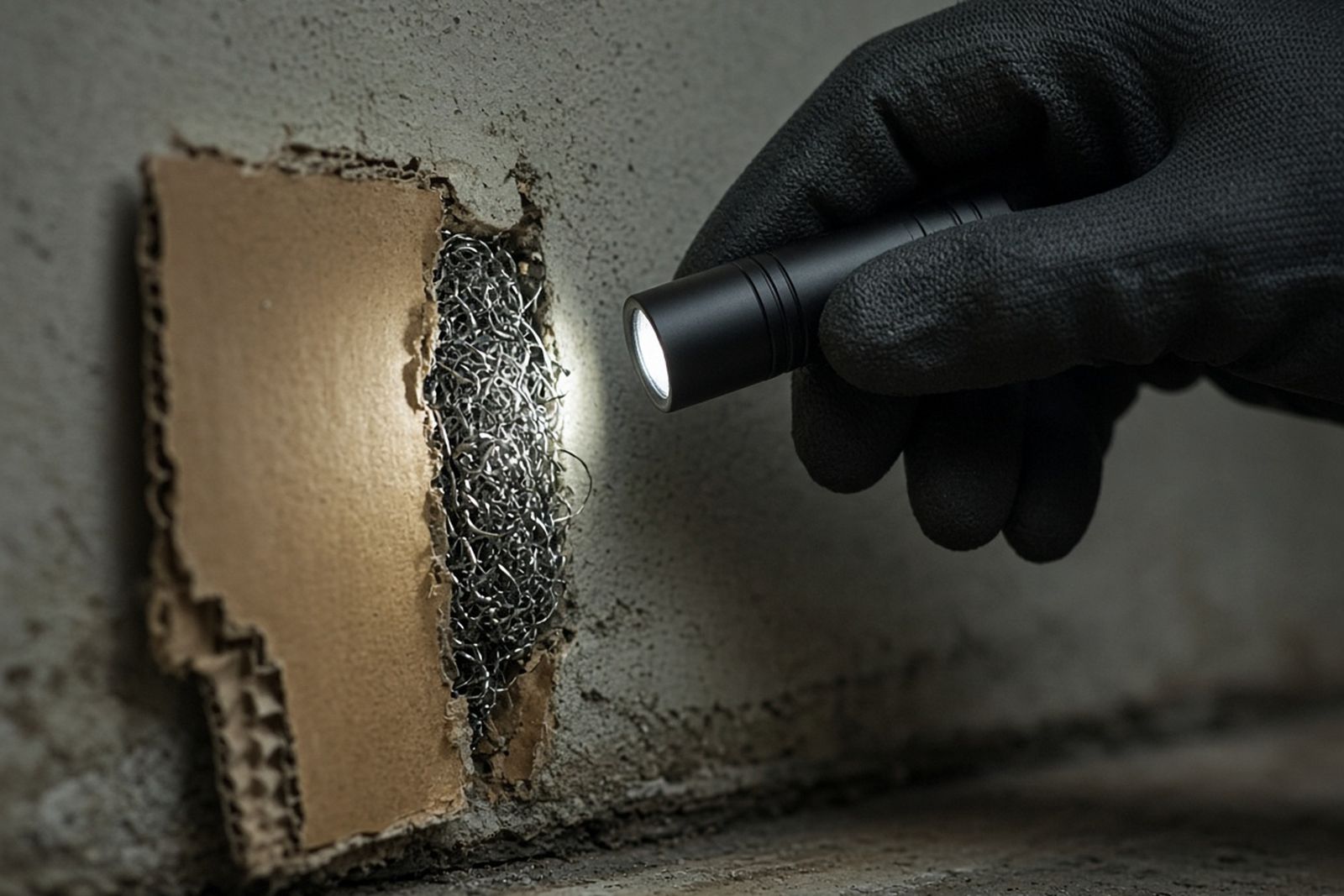
Exclusion means sealing the gaps rodents use to get in. It is the step that keeps your problem from coming back, so it helps to know what good exclusion looks like. Technicians use materials rodents cannot chew through, such as steel mesh, hardware cloth, sheet metal flashing, and special sealants. Expanding foam alone is not enough, because rodents chew through it easily.
Common spots to seal include gaps where utility lines enter your house, attic and foundation vents, and the joint between the roof and the fascia board. Garage door seals and openings around air conditioning lines are others. On some homes, there are dozens of small gaps. On others, a single large opening explains most of the activity.
Some companies put a one-way door on a main entry point. It lets rodents leave but not return. They seal the opening once activity stops.
Ask to see photos of each sealed point once the work is done.
- Steel mesh or hardware cloth over vents and larger openings.
- Metal flashing along rooflines and fascia gaps.
- Rodent-resistant sealants around pipes and wires.
- Door sweeps and new garage door seals.
Setup, then the wet cleanup
Before anyone touches droppings, the crew gets the space ready. That starts with fresh air. Doors and windows are opened and the space is left to air out before work begins. Fans or air movers are added where airflow is poor.
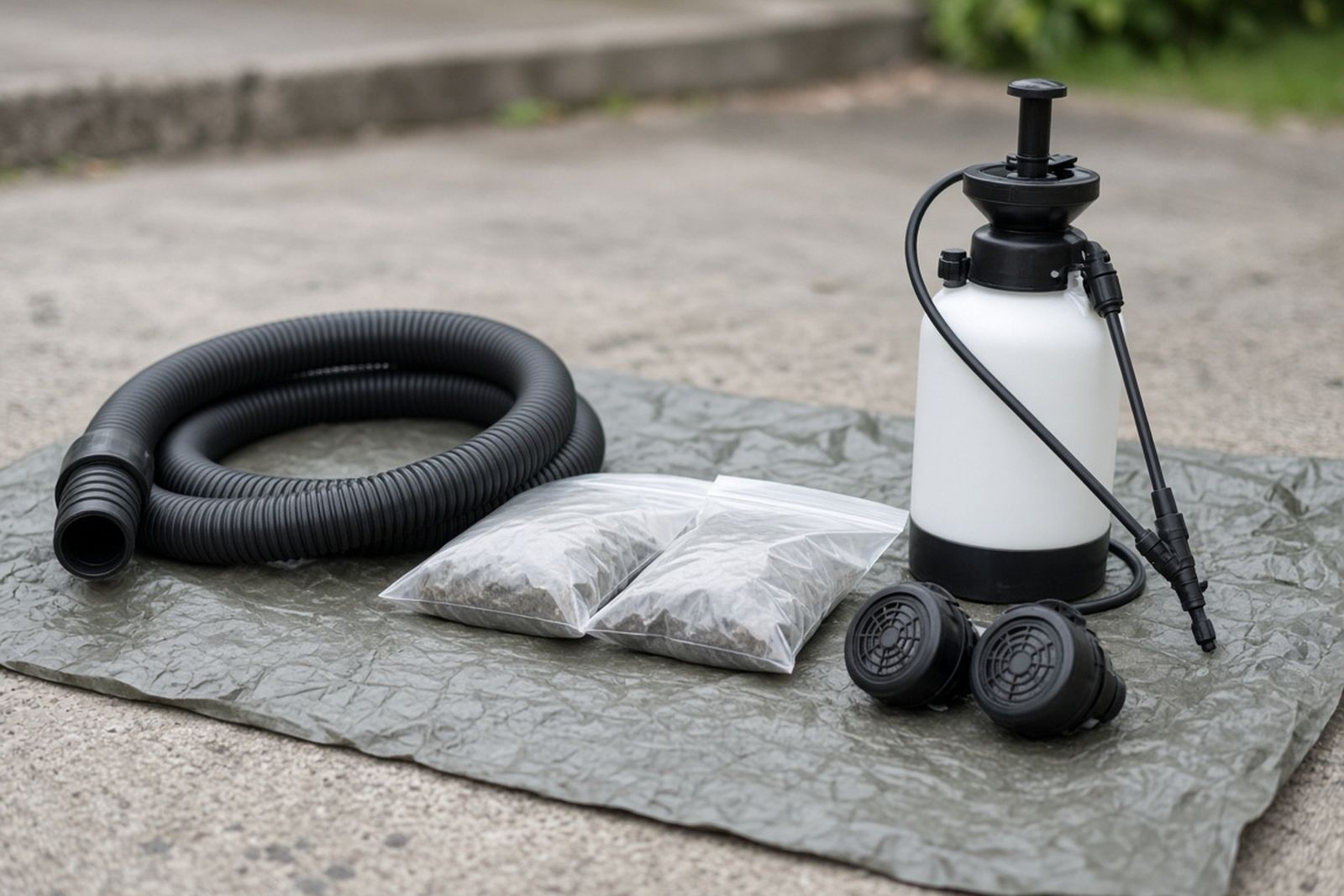
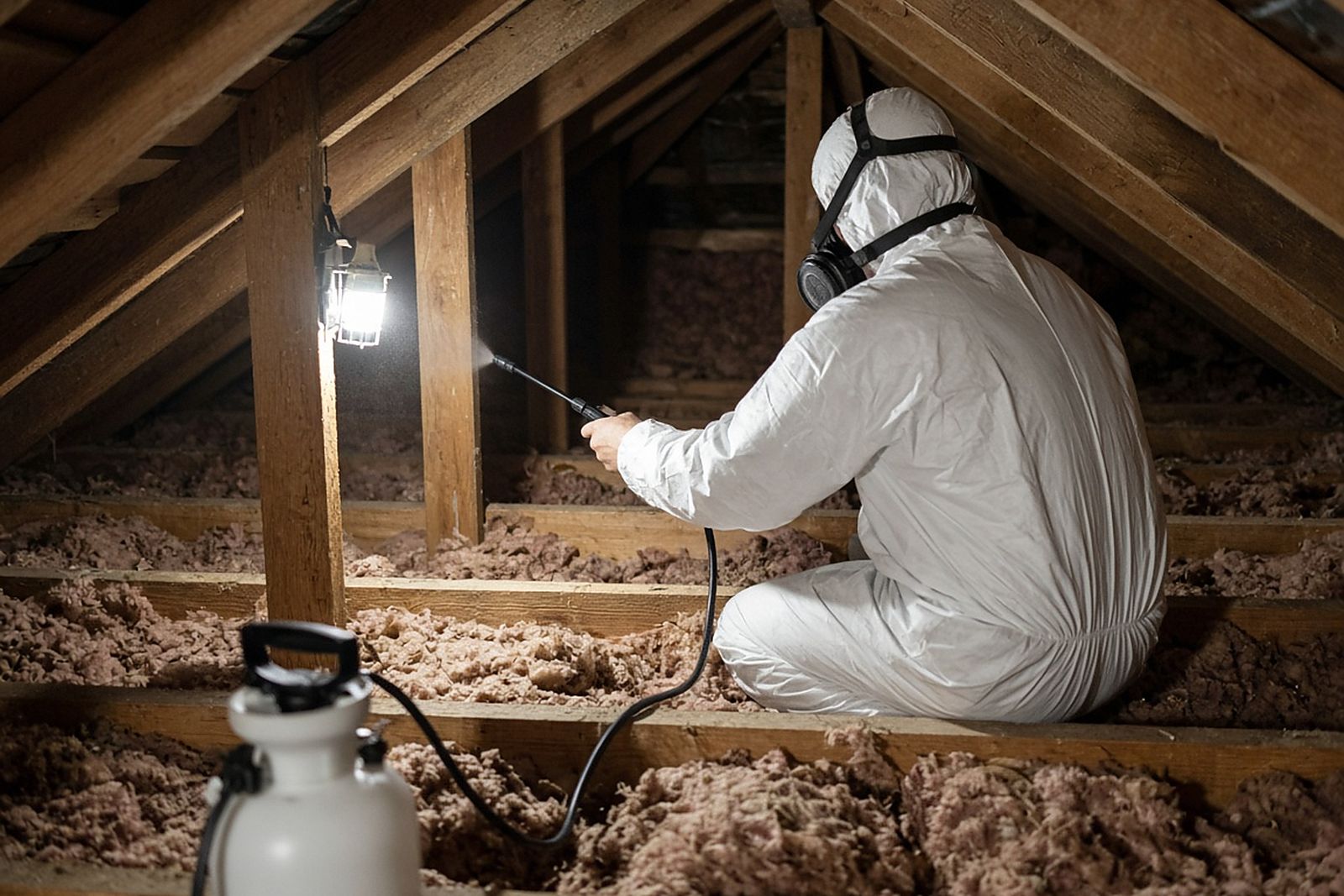
Crews also wear protective gear. For heavy infestations, expect half-mask respirators with HEPA filters, which trap very fine dust. Expect coveralls, rubber boots, goggles, and gloves too, mostly in attics and crawlspaces.
If the job includes removing insulation, the crew may put up plastic sheeting around the attic hatch and along the path to the door. That keeps dust and debris out of your living areas. Expect them to ask you to keep children and pets away from those areas during the work.
The core rule is simple: wet it down first. Crews spray droppings, urine spots, and nesting material with a bleach solution or a registered disinfectant. They let it soak for the full time on the label before touching anything. The soak keeps particles out of the air when the material is picked up.
After the soak, technicians pick up droppings and nesting material with paper towels or other disposable materials. They place it all in sealed bags. Dead rodents are handled the same way. A good crew does not sweep or use an ordinary household vacuum on dry droppings, because that can put dirty dust into the air.
Once the visible material is gone, the surfaces underneath are cleaned and disinfected again. These include attic floorboards, joists, shelving, and floors. In your garage or basement, this may include stored boxes and items.
Your stored belongings get their own attention. Plastic bins and hard items can be wiped with disinfectant and set aside. Cardboard boxes that rodents nested in or soaked with urine are usually bagged and thrown out with their packaging. If something inside a damaged box matters to you, ask the crew to pull it out and clean it if they can. They can set it apart so you can decide later.
When does insulation need to come out?
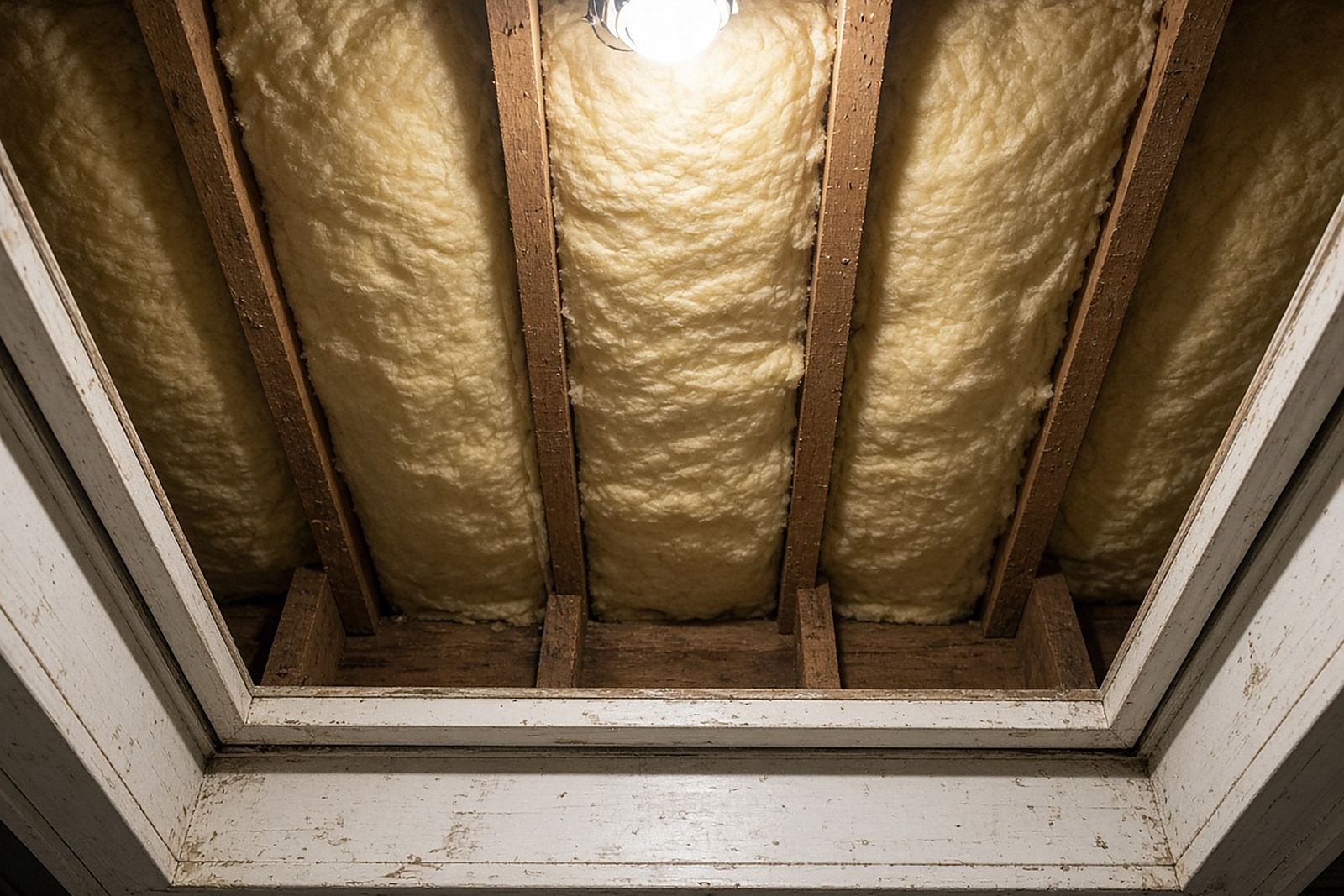
If rodents have been living in your attic insulation, it is often too soiled to clean in place. Crews may suggest partial or full removal. Removal usually uses a powerful vacuum system that pulls the insulation into large bags outside your house. That cuts down on dust inside.
After removal, the attic floor and framing are cleaned and disinfected. Some crews also apply a deodorizer for lingering urine smell. New insulation goes in only after the entry points are sealed and the space is clean.
Ask the crew to show you photos of the insulation before removal, so you can see why they made their recommendation. Partial removal may be possible if the activity stayed in one section.
Expect insulation removal to be the noisiest and dustiest part of the job. A vacuum hose may run from the attic hatch or a gable vent to a truck or collection bags outside. Crews will move in and out for several hours. If anyone in your household has asthma or other breathing problems, it may be easier for them to spend that day elsewhere.
A seasonal cabin, start to finish
To see how the steps fit together, take a seasonal cabin as an example. It is a typical case, not a specific client. Your family has a small cabin that sits closed from late fall to spring. When you open it in April, you find mouse droppings on the kitchen counters and shredded paper towels in a drawer. There is a nest under the bathroom sink and a musty smell in the bedroom closet.
In this example, a cleanup crew would likely start by airing out the cabin and walking through each room. They would check under the cabin, around the foundation, and along the roofline for entry points. Traps would go down if there were signs of ongoing activity. Then, wearing respirators and gloves, the crew would soak and remove the droppings and nesting material. They would clean and disinfect the counters, drawers, cabinets, and floors. Soft items like curtains and bedding would be bagged to be washed or thrown out.
Before the crew leaves, they would seal the entry points they found and give you a list of what was done. They might also suggest that you store food in sealed containers and close up gaps before next winter.
The final walkthrough
When the work is complete, the lead technician should walk you through what was done. That covers where rodents were getting in, what was sealed, what was removed, and what was cleaned. You should get written records. Many companies also include a follow-up visit to confirm the sealing is holding.
- Photos of your attic, crawlspace, or rooms before and after cleanup.
- A list of sealed entry points and the materials used.
- Details of insulation removed and replaced.
- The disinfectant products used.
- Warranty terms and the follow-up schedule.
What should you watch for afterward?
After the cleanup, watch for new droppings, gnaw marks, or scratching sounds. A few stragglers are possible in the first weeks. Ongoing activity may mean an entry point was missed. Call the company if you notice anything. Most exclusion warranties cover a return visit.
Upkeep helps the sealing work last. Keep firewood and thick plants away from your foundation, and trim branches that touch the roof. Store birdseed, pet food, and garbage in sealed containers. Walk around the outside of your house once each season to look for new gaps. Look again after storms or any work by roofers, plumbers, or cable installers.
Also pay attention to your own health. If anyone in your household gets a fever, muscle aches, or shortness of breath in the weeks after being around rodent droppings, call a doctor. Tell them about the exposure. If a doctor confirms an illness carried by rodents, your local health department may have its own cleanup guidance to follow.