Rodent & Pest Droppings Remediation: Costs & Insurance
Decision-focused information about rodent & pest droppings remediation scope variables, estimate comparison, documentation, and policy questions. Coverage depends on the triggering peril, policy language, limits, exclusions, deductible, and carrier review.
This category explains what shapes the price of droppings cleanup, and how insurance may or may not help. Posts walk through the things that move an estimate. These include how easy the attic is to reach, the type and depth of insulation, and how far nests have spread. They also include crawlspace height, whether ducts are involved, and disposal. You will read about comparing low and high bids. You will learn to keep cleanup, gap sealing, and new insulation apart. And you will learn about the pest exclusions common in homeowner policies. Other articles explain what to photograph and keep. That way a claim, if one is possible, rests on clear records and not memory.
Get an email reply about rodent & pest droppings remediation
Send a short message to the follow-up inbox. A coordinator can reply by email. This form does not send emergency help; call 911 first if anyone is in danger.
Cost questions matter because droppings bids vary widely. The cheapest one sometimes leaves soiled insulation in place under a fresh layer. Knowing what each line covers helps you see what a quote really includes. Does it cover wetting, vacuums with fine-particle filters, disinfecting the wood, and disposal, or only removal? Knowing how policies treat rodent damage lets you have a realistic talk with your insurer. No company can promise what an insurer will decide. These posts also show how to do the work in stages when money is tight. You might seal the gaps and clean the worst area first. That can protect the house while you plan the rest, as long as nobody disturbs the untreated areas in the meantime.
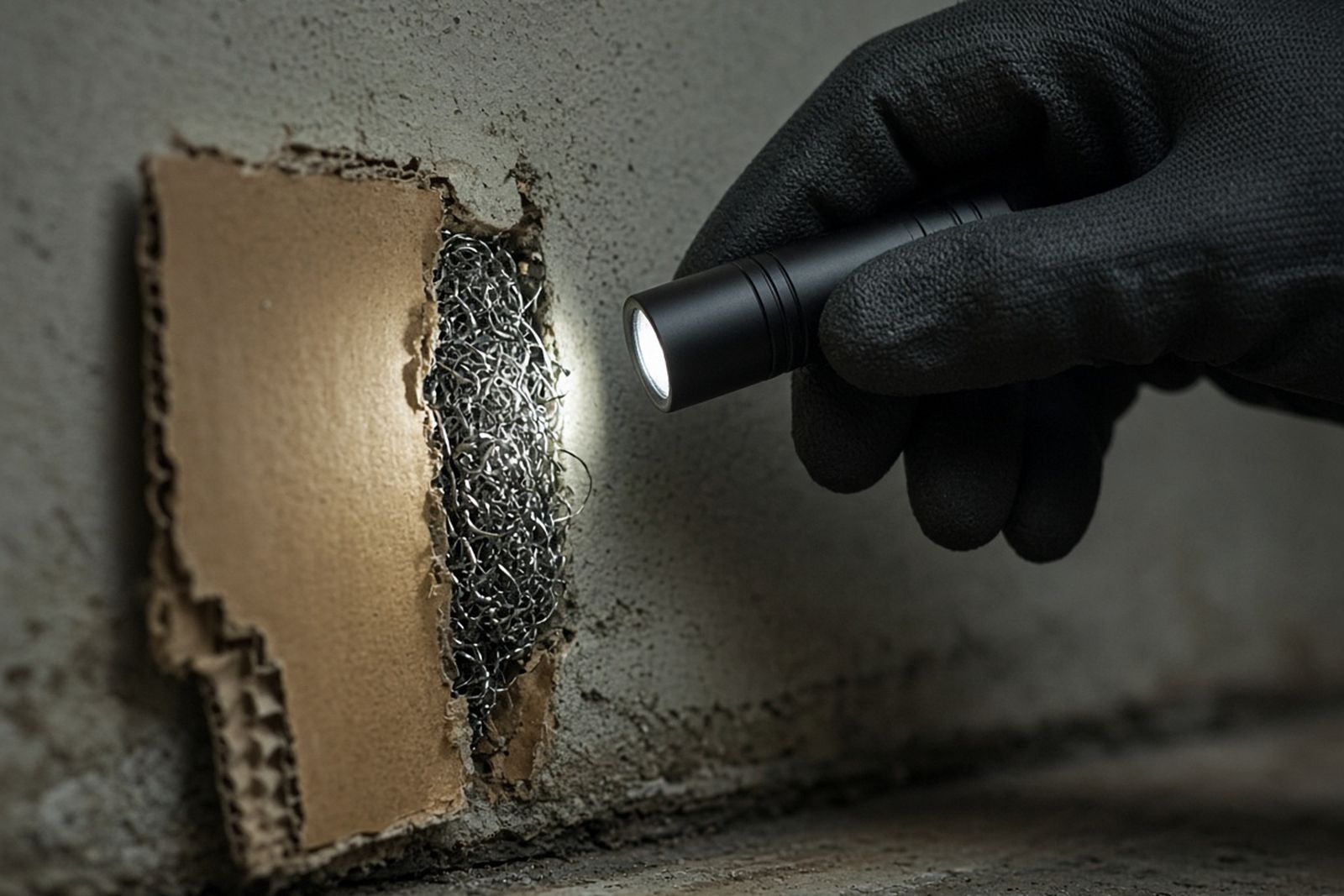
What Drives Rodent & Pest Droppings Remediation Cost?
Attic droppings, soiled insulation, and hidden entry gaps all shape a rodent cleanup quote. Learn what drives the price and how to compare bids fairly.
Rodent droppings remediation cost is driven by how much area is soiled, whether insulation has to be removed, how hard the space is to work in, and how much exclusion work is needed to stop rodents from returning. A small garage corner is a modest job. A heavily used attic with urine-soaked insulation, chewed ducts, and many entry points is a multi-day project with several separate line items.
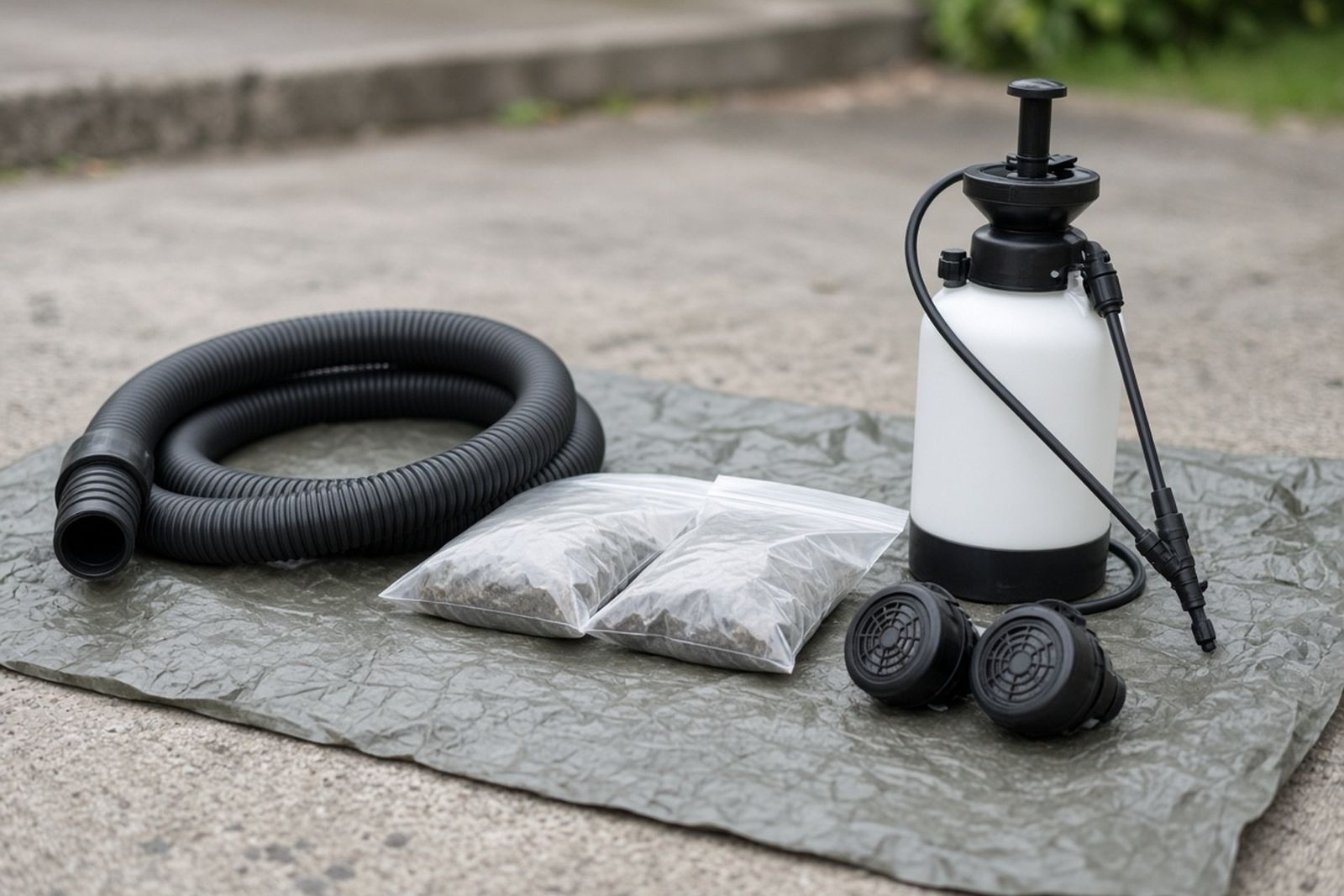
Does Homeowners Insurance Cover Rodent & Pest Droppings Remediation?
Mouse droppings in the attic or chewed wiring in the walls? Learn why rodent cleanup is often excluded and which related losses may still be claimable.
Usually not. Standard homeowners policies commonly exclude damage from rodents and vermin because infestations build gradually and are considered preventable. The cleanup of droppings, nests, and soiled insulation is typically your expense. A claim may still be possible for a sudden covered event that rodents set off, such as a fire from chewed wiring or a water leak, depending on your policy wording.
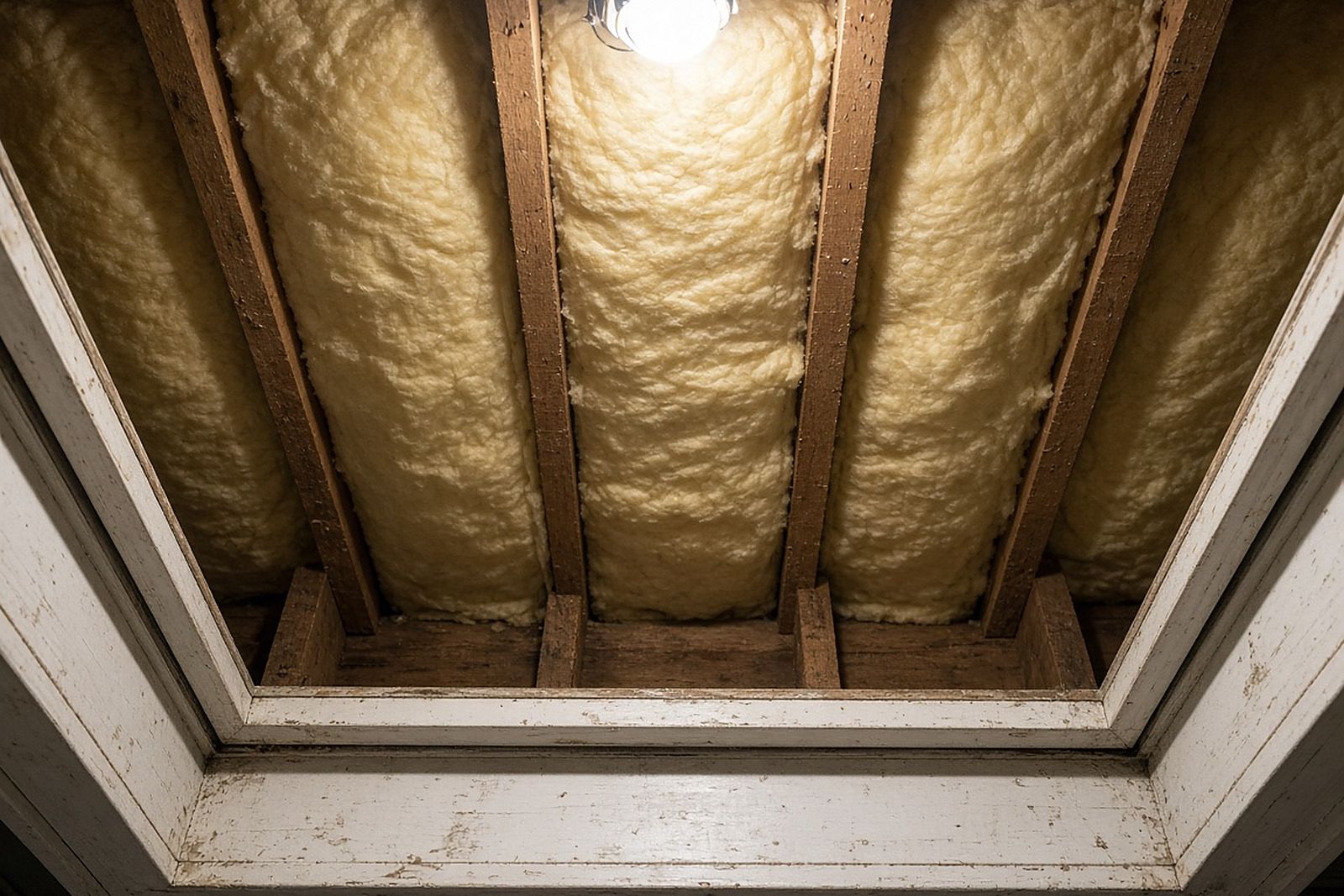
How to Compare Low and High Rodent & Pest Droppings Remediation Bids
Rodent cleanup bids often differ on insulation, sealing, and containment. Here is how to line up two droppings remediation quotes and spot what is missing.
To compare low and high rodent droppings remediation bids, make both describe the same work: which areas are cleaned, whether insulation is removed or treated, how dust is contained, which disinfectant is used, whether entry points are sealed, and what happens to the waste. A low bid is fine if the scope matches. A high bid should name each added step and why your space needs it.
Sourced figures on costs & insurance
- $395
Professional rat extermination costs an average of $395, with most homeowners paying between $189 and $655, according to HomeAdvisor cost data.
Read with care: Covers extermination only; contamination cleanup, exclusion sealing ($200-$600), and insulation replacement are priced separately.
Source: HomeAdvisor (2026)United States, HomeAdvisor member project cost data, updated June 2026
- $2,100
Insulating an attic costs about $2,100 on average ($1,700 to $2,500), and removing old insulation runs $1 to $1.50 per square foot, according to HomeAdvisor.
Read with care: Figures are for standard insulation work; contaminated insulation may require hazardous-waste handling that raises the removal price.
Source: HomeAdvisor (2026)United States, HomeAdvisor cost data, updated June 20, 2026
- $1.50 per sq ft
Attic cleaning costs most homeowners about $438, and rodent decontamination adds roughly $1.50 per square foot plus about $200 to deodorize and disinfect, per Thumbtack data.
Read with care: Marketplace averages vary widely by attic size, contamination level, and whether insulation must be removed.
Source: Thumbtack (2026)United States, Thumbtack marketplace pricing, updated March 31, 2026
These figures are public research and agency data, not this network's own job records. Keep each number with its population, year and limits; none of them predicts cost, timing or outcome at a specific property.
What research has found
Findings from published studies of people and properties in situations like this one. They describe what researchers observed in a specific group; they are not predictions for your case.
Older dwellings tended to have higher rodent prevalence.
Reported cockroach problems were also associated with elevated mouse-allergen levels.
Costs & Insurance: common questions
Does homeowners insurance pay for rodent droppings cleanup?
Many policies leave out damage caused by rodents or other pests, and treat it as an upkeep issue. Some cover sudden damage that follows. Examples are a fire from chewed wires or water damage from a gnawed water line. Read the exclusions in your policy. Then call your insurer and describe what happened before you assume either way.
Why is removing insulation such a large part of the estimate?
Pulling out soiled insulation takes careful work in cramped, hot spaces. It also takes vacuums with fine-particle filters, safety gear, a sealed-off area near the hatch, and bagging and hauling. Blown insulation must be vacuumed out rather than lifted. New insulation is usually a separate cost from a different trade. So compare bids on removal and cleanup alone first.
Should exclusion and remediation be priced separately?
Asking for separate lines makes bids easier to compare. Sealing gaps means closing the ways in and dealing with live animals. Cleanup removes and cleans the waste. New insulation restores the attic. Keeping them apart helps you see what each company includes. It also helps if one part may be covered by insurance or a warranty and another is not.
Is it worth paying for a separate inspection before getting quotes?
A paid inspection by someone who does not sell the work can help. It gives you a fair picture of the problem before you talk to companies that do sell it. It also gives you a baseline to compare quotes against. Many companies offer free inspections, but those are tied to a sale. If the job looks large or complex, a separate inspection may help you avoid paying for work you do not need.
Are droppings removal and insulation replacement deductible on a rental or my own home?
It depends on how the property is used. Owners of rentals or business property may be able to count some cleanup or insulation costs as expenses. Work on the home you live in is usually handled differently. A tax professional can tell you what applies to you. Keep the bills, receipts, and the company's written plan together so you have them when you need them.
Should I pay the full amount upfront?
Many companies ask for a deposit, with the rest due when the job is done. Paying the full amount before work starts gives up your bargaining power if the job is not finished as promised. Ask about the payment schedule before you sign. Tie payments to clear steps, like when the gap sealing or the cleanup is done. Get a receipt for every payment and keep them with the contract.
Why might a follow-up visit be billed separately?
Some companies include one follow-up check in the price. Others charge for each return trip. Follow-up visits take travel, labor, and inspection time. Ask whether follow-up is included, how many visits there are, and what they cover. If it costs extra, weigh that against the value of catching a new rodent problem early. A small follow-up charge can prevent a larger bill later.
Related community polls
Every count is a real visitor vote; nothing is seeded or padded. One vote per poll per device, and you can change your answer.
If you found droppings across your attic insulation, what would you most likely do?
How well do you understand the hantavirus risk from rodent droppings?
More on rodent & pest droppings remediation
Rodent & Pest Droppings Remediation services
See how wet cleanup, attic and crawlspace work, bat droppings, sealing gaps, and insulation choices fit together after rodents move in.
Costs explained
What drives the price, published cost ranges, and how to read a written quote line by line.
Insurance and payment
Which policies may respond, how to document a claim, and what to do if coverage is denied.
Planning tools
Use the risk check, planner, cost estimator, vetting questions, claim organizer, and waste guide built for droppings in attics and crawlspaces.
Community polls
See how other homeowners and landlords handle attic droppings, new insulation, and the choice between cleaning up themselves or hiring help.
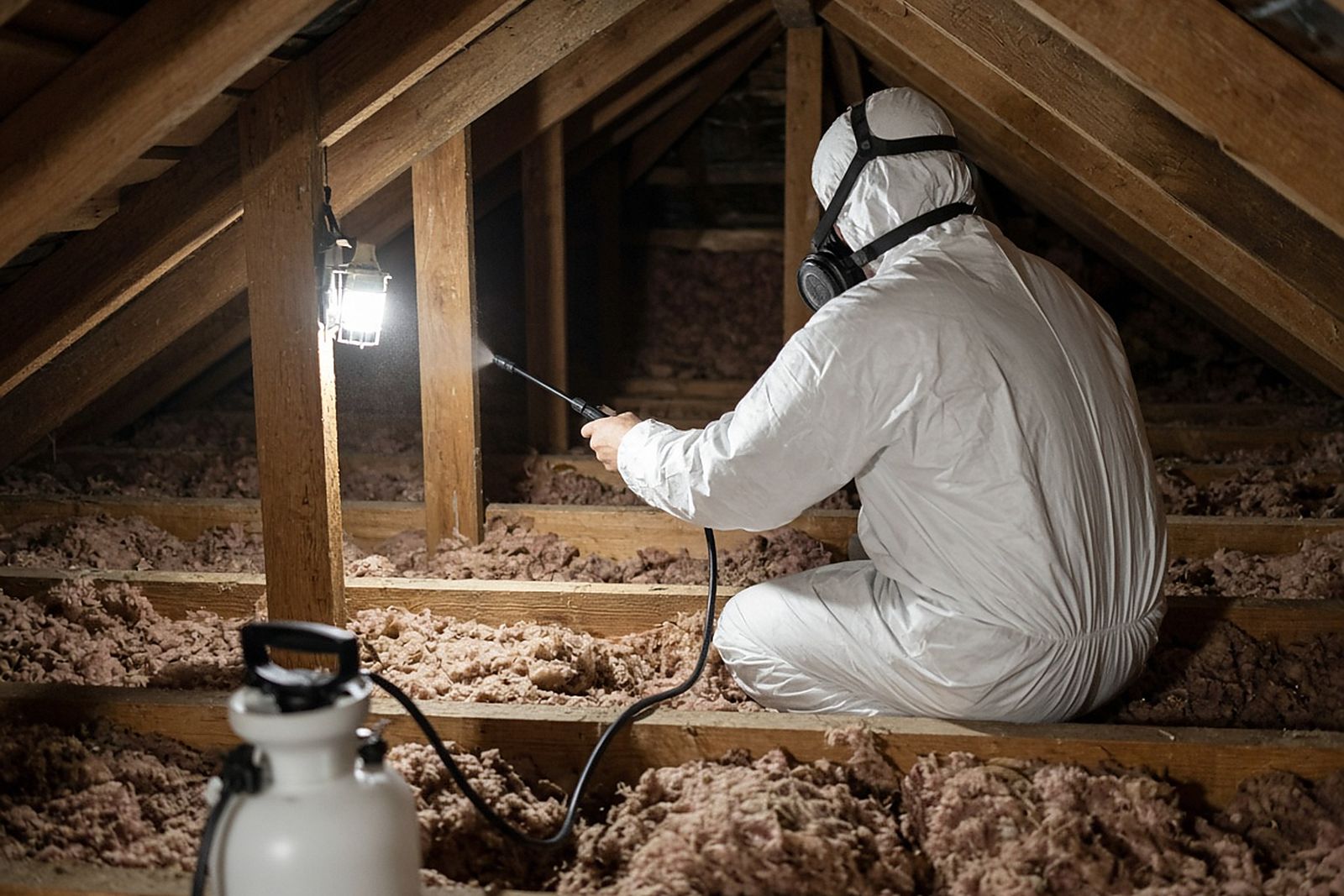
Knowledge quiz
Check whether you know why dry sweeping is dangerous, when insulation must go, and why sealing the gaps comes first.