Short answer
To compare low and high rodent droppings remediation bids, make both describe the same work: which areas are cleaned, whether insulation is removed or treated, how dust is contained, which disinfectant is used, whether entry points are sealed, and what happens to the waste. A low bid is fine if the scope matches. A high bid should name each added step and why your space needs it.
Why are rodent cleanup bids so hard to compare?
Rodent jobs combine several trades. There is pest control to remove the animals, exclusion work to close the gaps they used, cleanup and disinfection of droppings and nests, and sometimes insulation removal and replacement. One company may quote all of it. Another may quote only the cleanup and assume someone else handles the rest.
That is why two quotes for the same attic can look wildly different. The low bid may be a cleanup-only price. The high bid may include removing every inch of insulation, sealing the roofline, and installing new insulation. Neither is necessarily wrong, but you cannot compare them until you know which pieces each one covers.
The goal of this guide is to help you turn two or three very different documents into a side-by-side comparison, so the price difference makes sense.
Timing adds another wrinkle. Some companies bid after a thorough attic walk with photos. Others quote over the phone from a description. A phone quote is not dishonest, but it is a guess, and it is more likely to change once the crew sees the space. Give extra weight to bids built on an actual inspection.
What every bid should spell out
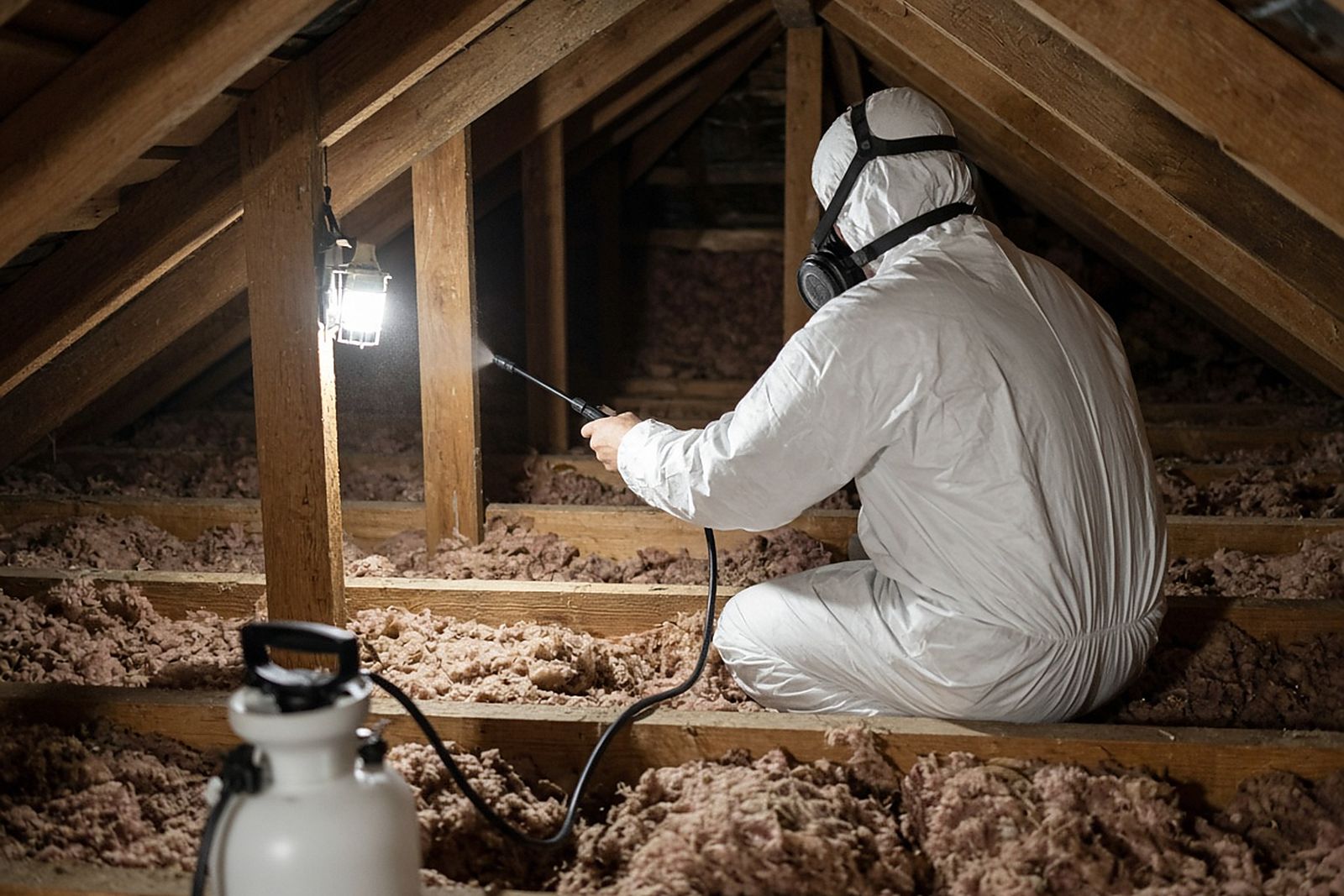
Ask each company to describe its work in writing, area by area. A good bid reads like a plan: where the crew will work, what they will remove, what they will clean in place, and how they will protect the rest of the home.
When you have written scopes, you can mark each line as included, excluded, or unclear. Unclear items are worth a follow-up call before you decide anything.
- Each area to be cleaned, such as attic, crawlspace, garage, or cabinets.
- Whether insulation is removed, spot-treated, or left in place.
- How the work area is contained and ventilated.
- The disinfectant product and how it is applied.
- Whether dead animals, nests, and contaminated stored items are removed.
- Whether entry points are sealed, and with what materials.
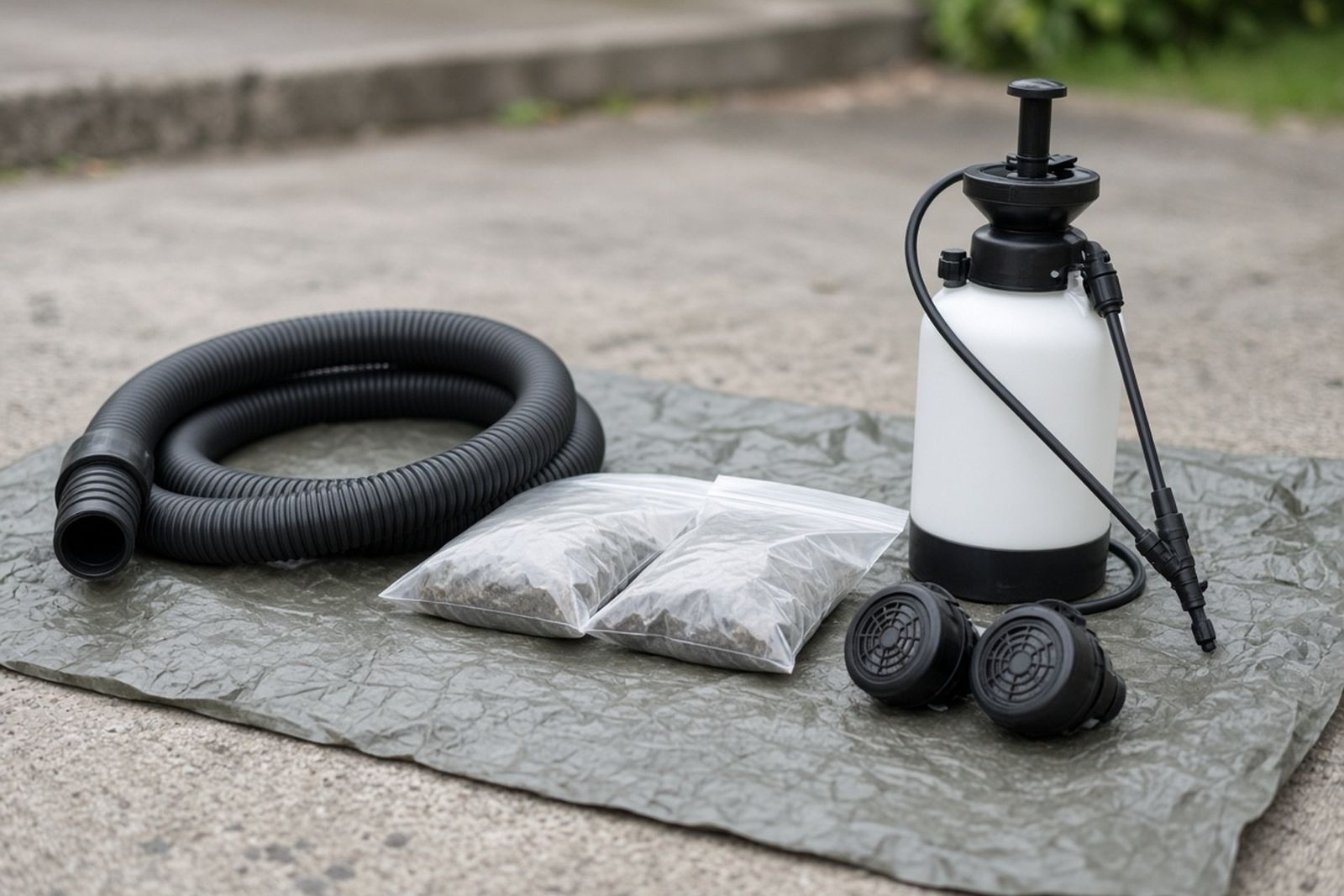
- How waste is bagged and where it goes.
- Any follow-up visit, inspection, or warranty.
Insulation: the biggest swing in price
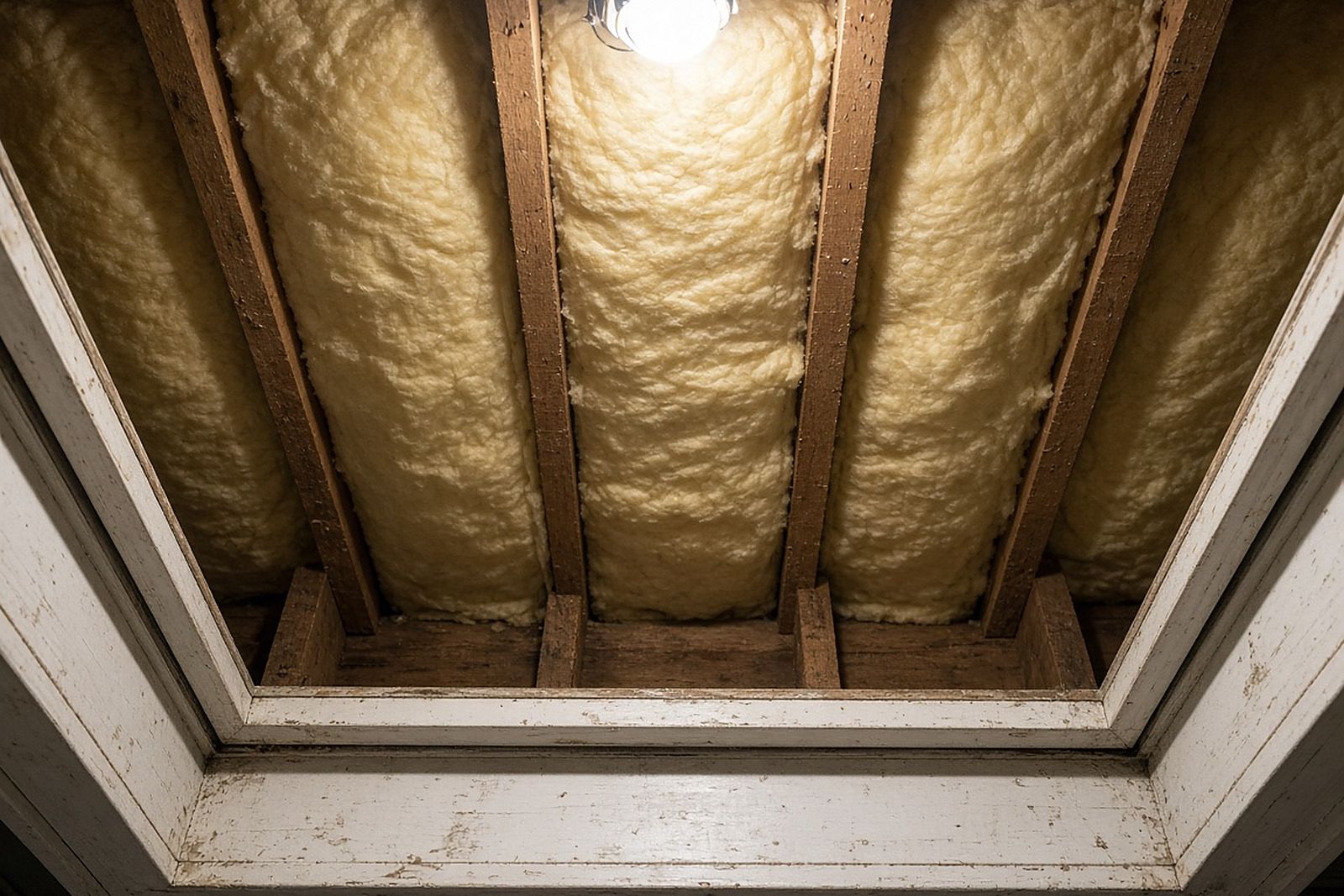
Insulation that is heavily soaked with urine or packed with droppings and nesting material usually cannot be cleaned in place. Removing it takes time, specialized vacuums, bagging, and disposal. Replacing it adds materials and labor. That combination can easily make one bid several times larger than another.
Published cost data gives a sense of scale for the pieces involved. According to HomeAdvisor's 2026 cost data, attic insulation averages about $2,100 ($1,700 to $2,500), while taking out old insulation runs $1 to $1.50 per square foot. Your costs will depend on your attic size, access, local labor rates, and the extent of the damage.
Not every rodent job needs full removal. Light activity in one corner may be handled by removing only the affected section. Ask each bidder to show you, ideally with photos, where the contamination is and why they chose full, partial, or no removal.
When is a lower bid a reasonable choice?
A lower price can reflect a smaller, well-defined job. If droppings are limited to a garage shelf or a pantry, and the insulation is untouched, a cleanup-only bid may be exactly right. Some companies also have lower overhead or already have crews working nearby.
The test is whether the low bid covers the same essential steps. It should still include ventilation or containment, a wet-disinfect method, safe removal of nests and dead animals, and proper bagging. It should use a disinfectant you can identify.
A low bid becomes a problem when the savings come from shortcuts. Common ones include dry vacuuming with a regular shop vacuum, skipping containment in an attic above living space, leaving nests behind in wall cavities, or cleaning without sealing any entry points so the rodents return within weeks.
It also helps to ask how a low bidder would respond if it found more than expected, such as a dead rat in a wall cavity or droppings that continue under flooring. A fair company will describe how it would pause, show you what it found, and price the extra work before doing it, rather than simply sending a larger invoice.
When does a higher bid justify its cost?
The extra cost in a higher bid ought to map to steps you can name. Negative-air machines to keep attic dust out of bedrooms, full insulation removal where it is truly saturated, exclusion work with durable materials, and a follow-up inspection are all examples of added cost with a clear purpose.
Thumbtack's 2026 cost data offers one reference point for the cleanup portion: attic cleaning costs most homeowners about $438, and rodent decontamination adds roughly $1.50 per square foot plus about $200 to deodorize and disinfect. A quote that is far above or below figures like these is not automatically wrong, but it is a good prompt to ask what is driving the difference.
Be cautious of extras with vague benefits. Whole-house fogging, ozone treatments, or "antimicrobial coatings" added to a simple garage cleanup deserve a direct question: what specific problem does this solve in my home?
Sealing entry points changes the value
A cleanup without exclusion can be money spent twice. If the gaps that let mice or rats in are still open, new animals move in, and the droppings start building up again. You may end up paying for the same cleanup next year.
Some remediation companies handle exclusion themselves. Others coordinate with a pest control company. Either approach can work, but the bid should make clear who is responsible. If exclusion is not included, ask whether the cleanup company will confirm that entry points have been sealed before they start, so the work is not undone.
When comparing bids, treat exclusion as its own line. A slightly higher quote that includes durable sealing may be a better value than a lower one that leaves the door open.
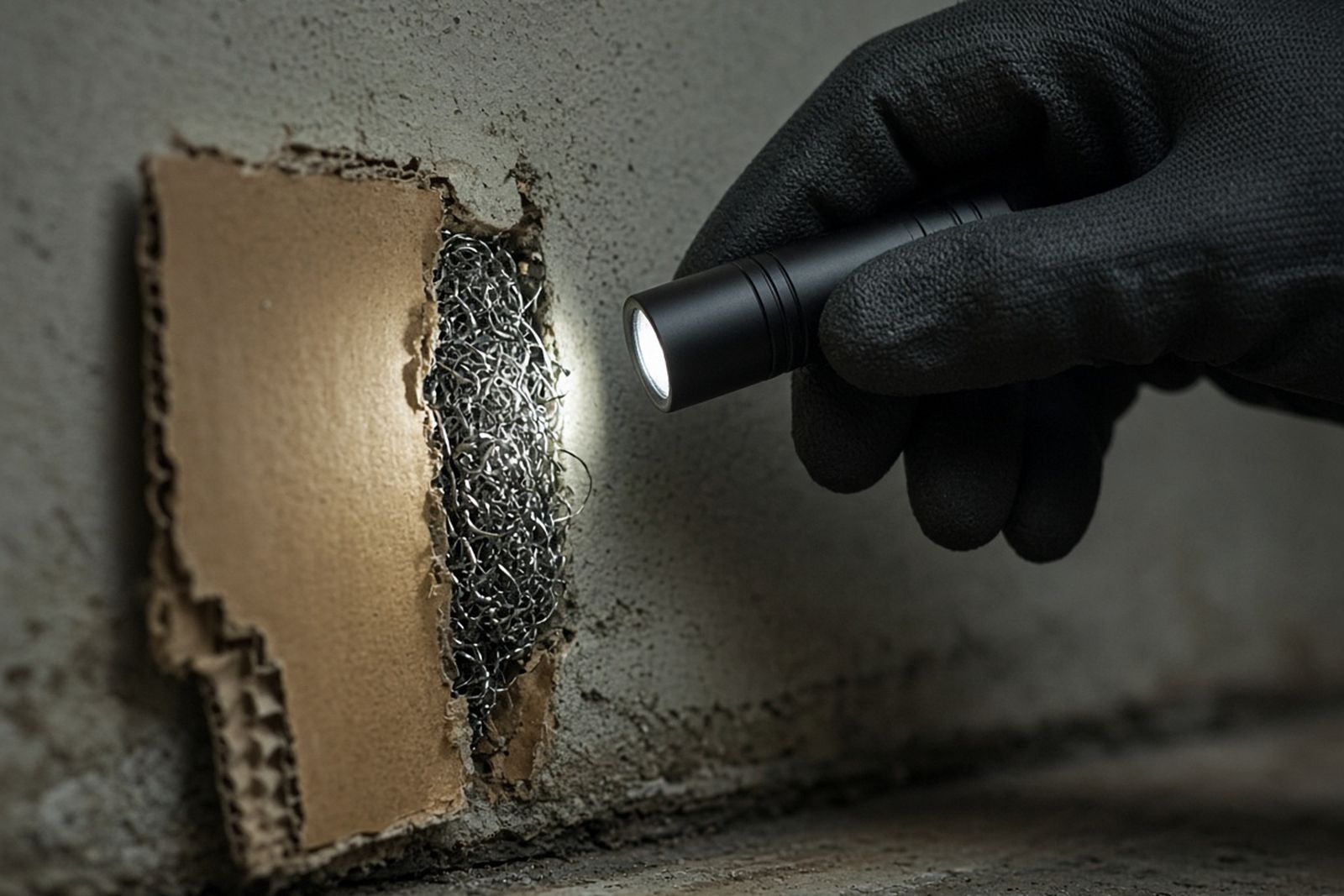
Ask how exclusion materials are chosen, too. Rodents can chew through soft foam and thin plastic, so durable options such as metal mesh, sheet metal, or hardware cloth are common for larger gaps. A bid that lists specific materials is easier to evaluate than one that just says entry points will be sealed.
Insurance and the choice of bid
Many people hope their homeowners policy will cover rodent cleanup. In many cases it does not. Progressive stated in 2025 that damage caused by mice and rat infestations generally is not covered by a standard homeowners policy because it is considered preventable.
Policies differ, and some situations, such as damage from a covered event that happens to involve rodents, may be treated differently. Review your own policy and ask your agent before assuming either way. Coverage decisions are the insurer's, not the contractor's.
If you are likely paying out of pocket, a clear, itemized scope becomes even more valuable. It lets you prioritize the steps that matter most, such as containment and disinfection, and schedule optional items like full insulation replacement when your budget allows.
Keep your photos and invoices either way. If a related covered loss comes up later, such as water damage from a chewed supply line, documentation of the cleanup and repairs can help you and your insurer sort out what happened and when.
Three bids for a ranch-style home
Here is a composite example built from common bid patterns, not a real customer. A homeowner finds droppings along the attic eaves and in the garage of a single-story house. A pest control company has already trapped the mice. She asks three remediation firms for bids.
In this scenario, Bid A is the lowest and covers vacuuming the attic and garage, spraying disinfectant, and bagging debris. When asked, the company confirms it uses a standard shop vacuum. Bid B lands between the other two. It includes ventilation and containment at the attic hatch, wet disinfection, removal of insulation along the two most contaminated eaves, HEPA vacuuming only after surfaces are treated, sealing of three identified entry points, and a follow-up check. Bid C is the highest and includes removing and replacing all attic insulation plus a whole-house fogging.
Lining up the scopes, she sees that Bid A skips basic dust controls. Bid C replaces insulation that photos show is mostly clean and adds fogging with no clear purpose. Bid B targets the actual contamination. She asks Bid B to add a price for replacing the removed sections of insulation, and she chooses it.
What final questions help you decide?
Before signing, a few last questions help confirm you are paying for the right work. Ask for answers in writing and attach them to the agreement.
A provider that answers these questions clearly is usually the one that will do the job carefully. If you are a landlord with habitability obligations, or if your area has specific waste disposal rules, check them with your local housing code office or solid waste office before work begins.
- Can you show me photos of the areas you plan to remove versus clean in place?
- What disinfectant will you use, and what contact time does its label require?
- How will you keep dust out of occupied rooms?
- Who is responsible for sealing entry points, and when will that happen?
- What happens if droppings reappear after the job?