Short answer
Before hiring a rodent droppings remediation company, ask how it inspects, whether it handles trapping and exclusion or only cleanup, what cleaning method it uses on droppings, how it decides on insulation removal, what protective equipment crews wear, which disinfectants it applies, how it contains dust, what warranty it offers, what documentation you receive, and how it prices the work. The answers reveal whether the company treats the whole problem.
Interview more than one company
Rodent remediation sits at the intersection of several trades: pest control, exclusion, insulation, and biohazard cleaning. Some companies do all of it. Others focus on one piece and leave you to coordinate the rest. Two quotes for the same attic can look wildly different simply because they cover different parts of the job.
Talking to more than one provider helps you understand what a complete job looks like for your home. It also helps you spot shortcuts, like cleaning without sealing entry points, or leaving soiled insulation in place under a layer of new material.
Use the ten questions below on each call or site visit, and write the answers down. Patterns will show up quickly.
Try to schedule inspections close together, ideally within the same week. Rodent activity and the condition of an attic can change quickly, and seeing proposals side by side while the details are fresh makes it much easier to notice what one company caught and another missed.
Questions 1 and 2: inspection scope, trapping and exclusion
Question 1: What does your inspection include? A thorough answer covers the inside of the house, including the attic, crawlspace, garage, and kitchen, and the outside, including rooflines, vents, utility penetrations, and the foundation. Ask whether you will receive photos and a written summary of what they found.
Question 2: Do you do trapping and exclusion, or only cleanup? If the company only cleans, ask who they recommend for trapping and exclusion and how the schedules will be coordinated. Cleanup done while rodents are still getting in is money poorly spent. A company that handles all three can sequence the work so each step supports the next.
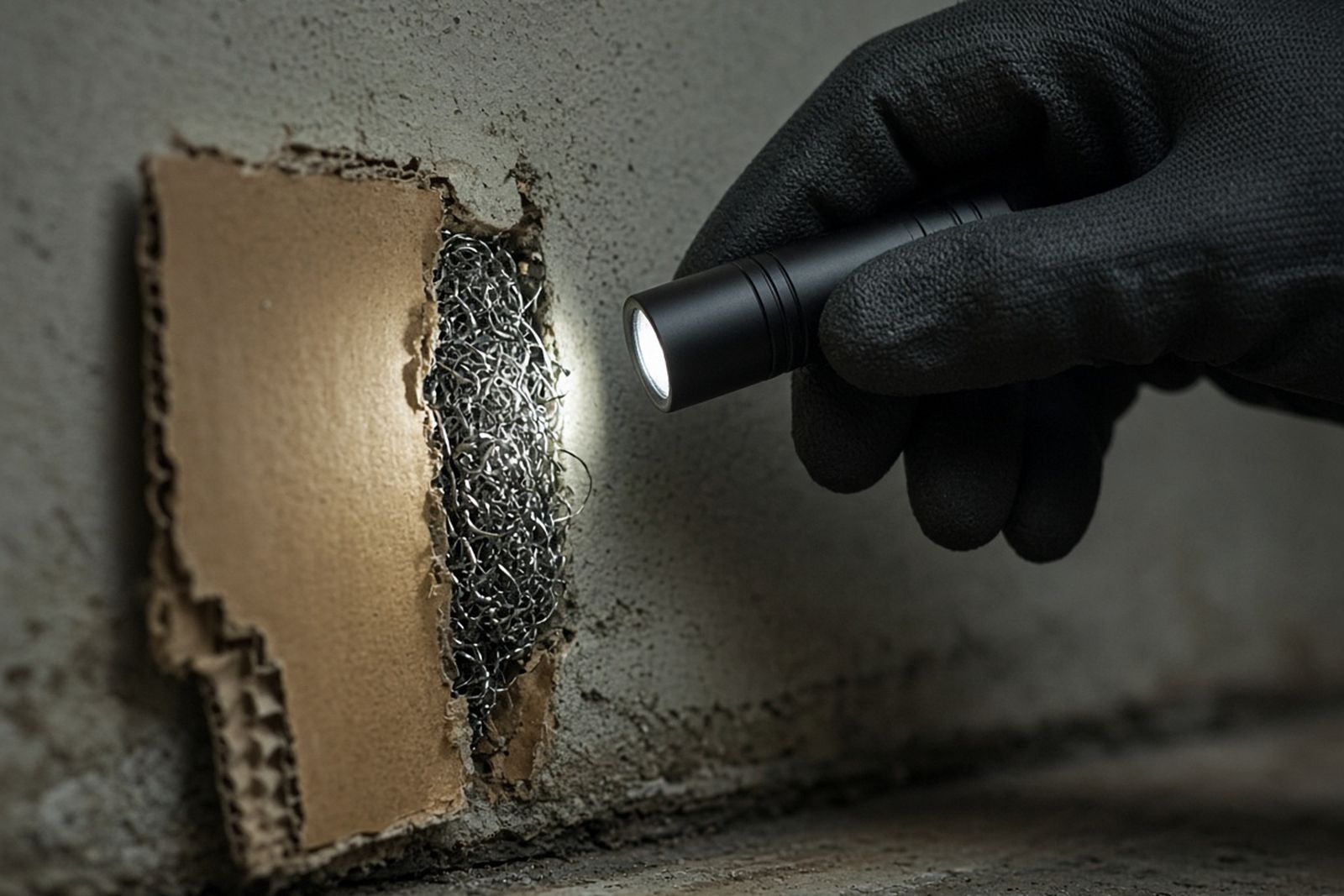
For exclusion specifically, ask what materials they use. Steel mesh, hardware cloth, sheet metal, and rodent-resistant sealants are appropriate. Expanding foam alone is not, because rodents can chew through it.
Ask how long the inspection takes, too. A technician who spends ten minutes glancing around the kitchen will not see as much as one who spends an hour in the attic, the crawlspace, and on a ladder along the roofline. Longer is not automatically better, but a rushed inspection usually produces a thin plan.
Question 3: the cleaning method for droppings and nests
This is one of the most revealing questions you can ask. The right answer involves wet methods: spraying droppings, urine, and nests with disinfectant, letting them soak, and then picking them up with disposable materials. Dry material that is swept or vacuumed goes airborne, which is exactly what the soak is meant to prevent.
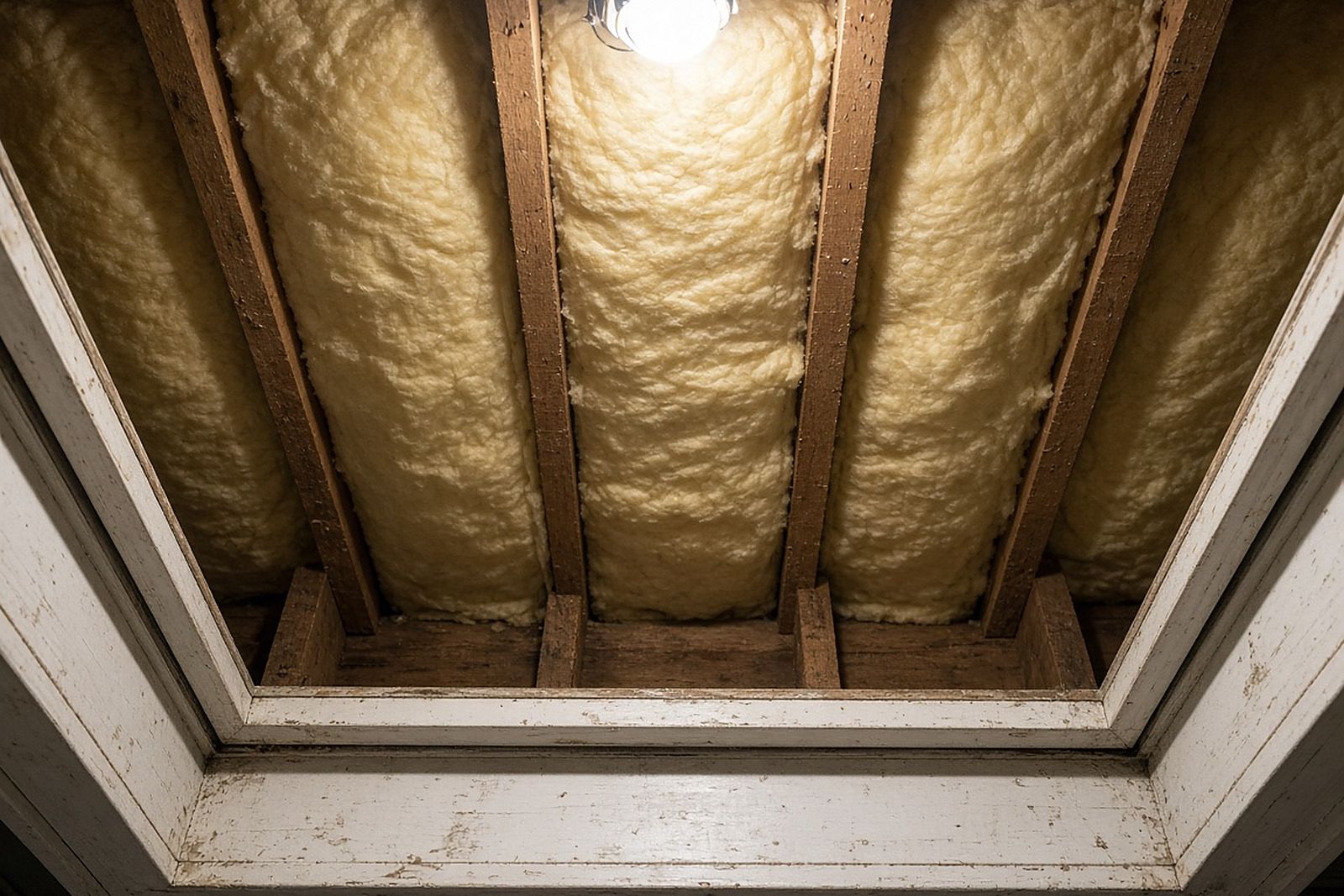
If a company describes sweeping, blowing, or using an ordinary shop vacuum on dry droppings, that is a serious concern. Specialized HEPA-filtered insulation removal vacuums are a different tool used for a different purpose, and a good provider will explain the distinction.
Ask which disinfectant they use and how long they let it sit before cleanup. A company that can name the product and describe its contact time is paying attention to details that matter.
Ask, finally, how they handle dead rodents found in walls or ceilings, since those often need a small access cut and separate odor treatment.
Questions 4 and 5: insulation decisions and dust control
Question 4: How do you decide whether insulation needs to be removed? Look for a company that bases the decision on what it actually sees: how widespread the droppings are, whether insulation is saturated with urine, and whether nests are woven through it. Ask for photos to back up the recommendation, and ask whether partial removal is possible if activity was limited to one area.
Question 5: How will you keep dust and debris out of the living space? Good answers include sealing the attic hatch with plastic, using a vacuum system that exhausts outside the house, protecting the path from the attic to the exit, and cleaning up any area inside the home that was disturbed.
These steps matter for everyone in the house, not just for the cleanup crew. Mouse allergen travels with dust, and anyone in the home with asthma or allergies will feel the difference between a contained job and a careless one.
Questions 6 and 7: protective gear and products
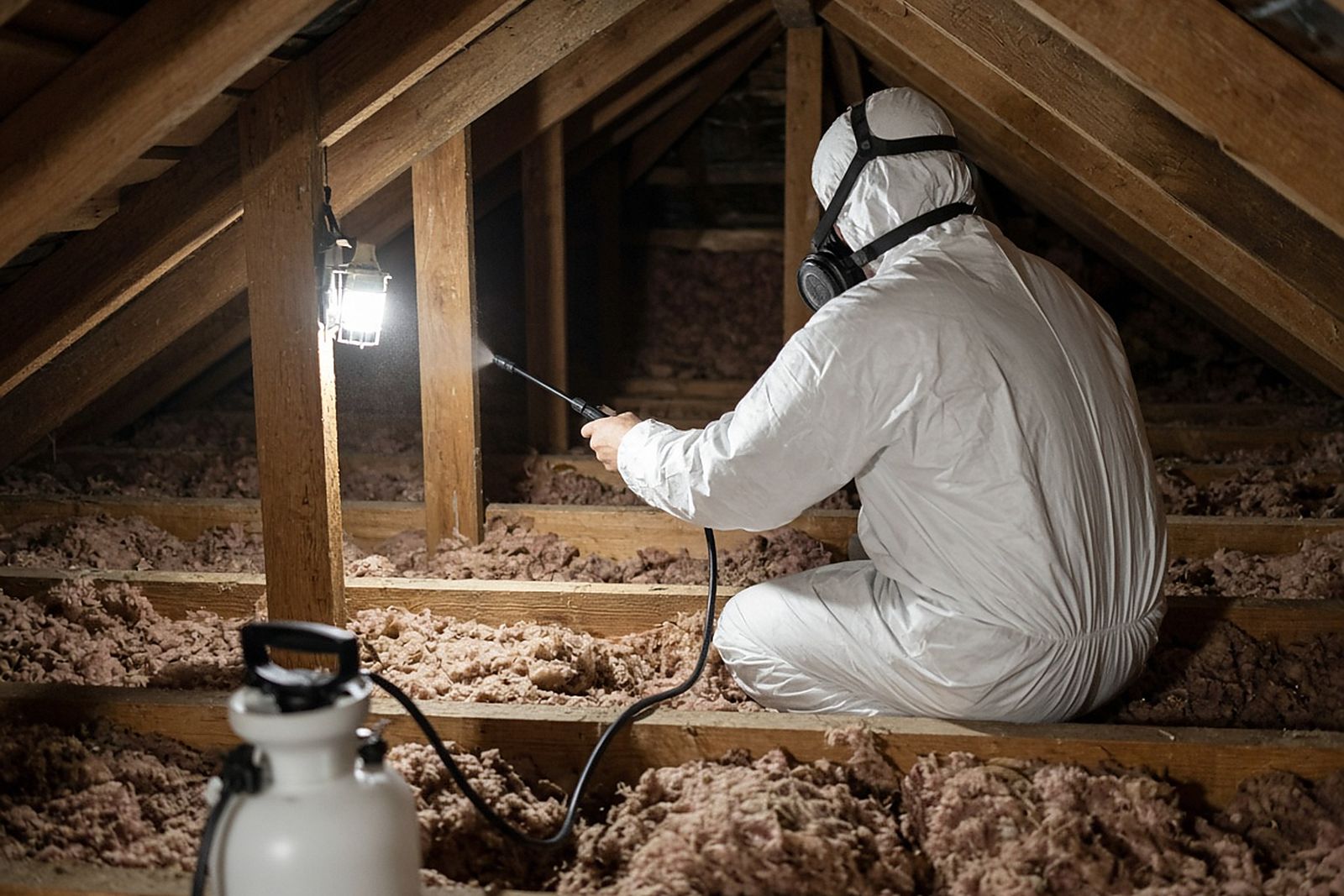
Question 6: What protective equipment will your technicians wear? For attics and crawlspaces with significant droppings, expect respirators with HEPA filters, disposable coveralls, gloves, and eye protection. Ask whether technicians are trained and fit-tested for respirator use.
Question 7: What disinfectants and deodorizers will you apply, and are they safe for my household? Ask for product names and Safety Data Sheets. If anyone in the home has asthma, allergies, or chemical sensitivities, or if you have pets such as birds or reptiles that are sensitive to airborne chemicals, share that now so the company can adjust its plan.
Protective gear also tells you something about how the company thinks. Crews who suit up properly for a heavily soiled attic are showing that they understand the hazard, and they are less likely to treat your home casually in other ways, like leaving debris in the hallway or tracking attic dust across the carpet.
Questions 8 and 9: warranty and records
Question 8: What warranty do you offer, and what does it cover? Many exclusion services come with a warranty that includes return visits if rodents get back in. Ask how long it lasts, whether it covers the whole house or only sealed points, and whether annual inspections are required to keep it valid.
Question 9: What documentation will I receive? Ask for before-and-after photos, a list of sealed entry points, details of insulation removed and replaced, and products used. These records are useful for future home sales, insurance questions, and tracking any return activity.
Question 10: an itemized price
Question 10: Can you give me an itemized estimate? You want separate lines for inspection, trapping, exclusion, cleanup, insulation removal, disinfection, new insulation, and any repairs. An itemized quote makes it much easier to compare bids and to see exactly what a lower price leaves out.
Pay attention to how each company talks about price. A provider who explains why a line item is needed and offers options, such as partial insulation removal or phasing the work over two visits, is usually easier to work with than one who presents a single take-it-or-leave-it figure. Flexibility within a sound plan is a good sign.
A thin proposal next to a complete one
Proposals for the same problem can differ more than you expect. When a tenant reports droppings in the kitchen cabinets and scratching in the ceiling, a thin proposal usually comes from a technician who looks in the kitchen, peeks into the attic from the hatch, and offers a flat price to clean the cabinets and set bait stations. There is no exterior inspection and no mention of insulation.
A complete proposal starts with an inspection of every affected unit, the attic, the crawlspace, and the exterior. It shows photos of droppings along the attic joists, a nest near the bathroom exhaust fan, and a gap where the gas line enters the building. The itemized scope covers trapping, exclusion, attic cleanup, partial insulation removal, and kitchen disinfection, with written exclusion warranty terms.
The complete proposal costs more, but it addresses the whole problem, and for a landlord it also supports the duty to keep the unit habitable. If you own rentals, ask your city or county housing code office how quickly you are expected to act on a tenant's pest report.
Warning signs that a company is cutting corners
Some answers should make you pause no matter how attractive the price. If you hear any of these during a call or inspection, keep looking.
- Plans to sweep, blow, or dry-vacuum droppings.
- No exterior inspection or no mention of entry points.
- Expanding foam as the only sealing material.
- New insulation blown over soiled insulation without removal.
- No written estimate, photos, or warranty terms.
- Pressure to sign on the spot or pay the full amount before work begins.
What should you do while you are deciding?
While you gather quotes, keep children and pets out of affected areas and avoid disturbing droppings or nests yourself. Store food in sealed containers and clean up crumbs and pet food, which reduces what draws rodents into living spaces.
If you rent, send your landlord a written report with photos and the date you first noticed activity. That record protects you and gives the landlord what they need to start the process.
If anyone in your household develops fever, muscle aches, or breathing trouble in the weeks after being around droppings, contact a healthcare provider and mention the possible rodent exposure. Your health comes before the cleanup schedule.