Short answer
When comparing local and national rodent droppings remediation providers, focus on who does the work, whether they handle both exclusion and cleanup or coordinate with a pest control operator, how they protect workers, what they remove versus clean, how they follow up and what records you receive. Local firms often know regional rodents and building types; national brands may offer consistency across many properties.
Company size alone says little
Not much on its own. A national brand can be excellent in one city and weak in another, depending on the local franchise or branch. A small local company can be careful and experienced, or it can be a general handyman business that added rodent cleanup to its list.
The pest and remediation market is large enough to include every kind of provider. According to the National Pest Management Association's 2026 industry survey, U.S. structural pest control companies generated $13.416 billion in service revenue in 2025, up 6 percent from $12.654 billion in 2024. That range includes solo operators, regional companies and national brands, and quality varies within every group.
It is more useful to compare providers on specific points that affect your home or building, which the rest of this guide covers.
Reputation signals can mislead in both directions. A national brand name is familiar, but you are really hiring the local branch. A local firm may have few online reviews simply because it is small. Talking to a couple of recent clients with similar homes or buildings often tells you more than star ratings.
Why does regional knowledge matter for rodent jobs?
Rodent problems look different from place to place. Deer mice are common in rural and wooded areas and are the main carrier of hantavirus in much of North America. Roof rats favor warm climates and upper parts of buildings. Norway rats tend to burrow and travel along foundations and sewers. House mice are everywhere people are.
How often rodents show up also varies by area. In the 2019 American Housing Survey, as summarized by the U.S. Census Bureau in 2021, the share of homes reporting rodent sightings across the 15 largest U.S. metro areas ranged from 3.1 percent in Phoenix to 18.9 percent in Philadelphia. A provider who works in your region every day will know which species, entry points and seasonal patterns to expect.
Local firms also tend to know regional building styles: old row houses with shared walls, cabins on piers, slab homes with weep holes, or older commercial buildings with pipe chases. That knowledge speeds up inspection and exclusion.
Seasonality is regional too. In colder areas, mice push indoors as the weather turns, and fall is the busiest time for exclusion work. In warmer areas, activity may be steadier through the year. A provider who understands your local calendar can suggest when follow-up inspections will be most useful.
What national brands offer
National providers are often a good fit for organizations with many locations, such as apartment portfolios, restaurant groups, retailers and property management companies. One contract, one reporting format and one account contact across several states can simplify oversight.
Larger companies may also have formal training programs, standardized equipment, established protocols for respirator use and broader insurance coverage. Some can meet corporate vendor requirements more easily.
Many national pest brands operate through franchises or local branches, which means the crew you get is still a local team. The brand sets standards; the local operation carries them out. Asking how the brand checks that its locations follow those standards is fair.
Scheduling capacity can matter as well. A larger operation may be able to send a bigger crew for a big attic or a multi-unit building and finish in fewer days, which reduces disruption for occupants. Ask how many technicians would be assigned and whether that changes the timeline.
Who covers which stage, and who shows up
Rodent droppings remediation works best as part of a sequence: control the rodents, seal the entry points, then clean and disinfect. Certain providers cover every stage themselves. Others focus on pest control and refer out cleanup, or focus on cleanup and expect you to hire pest control separately.
National pest control brands commonly handle trapping and exclusion and may or may not offer full attic or crawlspace remediation. Local specialists sometimes do only remediation and coordinate with a pest control operator they trust.
Either arrangement can work if the handoff is clear. Ask who is responsible for confirming that activity has stopped before cleanup starts, and who fixes it if droppings reappear after the job.
Ask whether the technicians are employees of the company you are hiring or subcontractors. Both local and national firms use subcontractors at times, especially for insulation removal or large commercial jobs.
The people in your attic are the ones handling contaminated material. Their training, equipment and methods matter more than the logo on the truck. If a subcontractor will be involved, ask for their name and whether they follow the same safety procedures and reporting format as the main company.
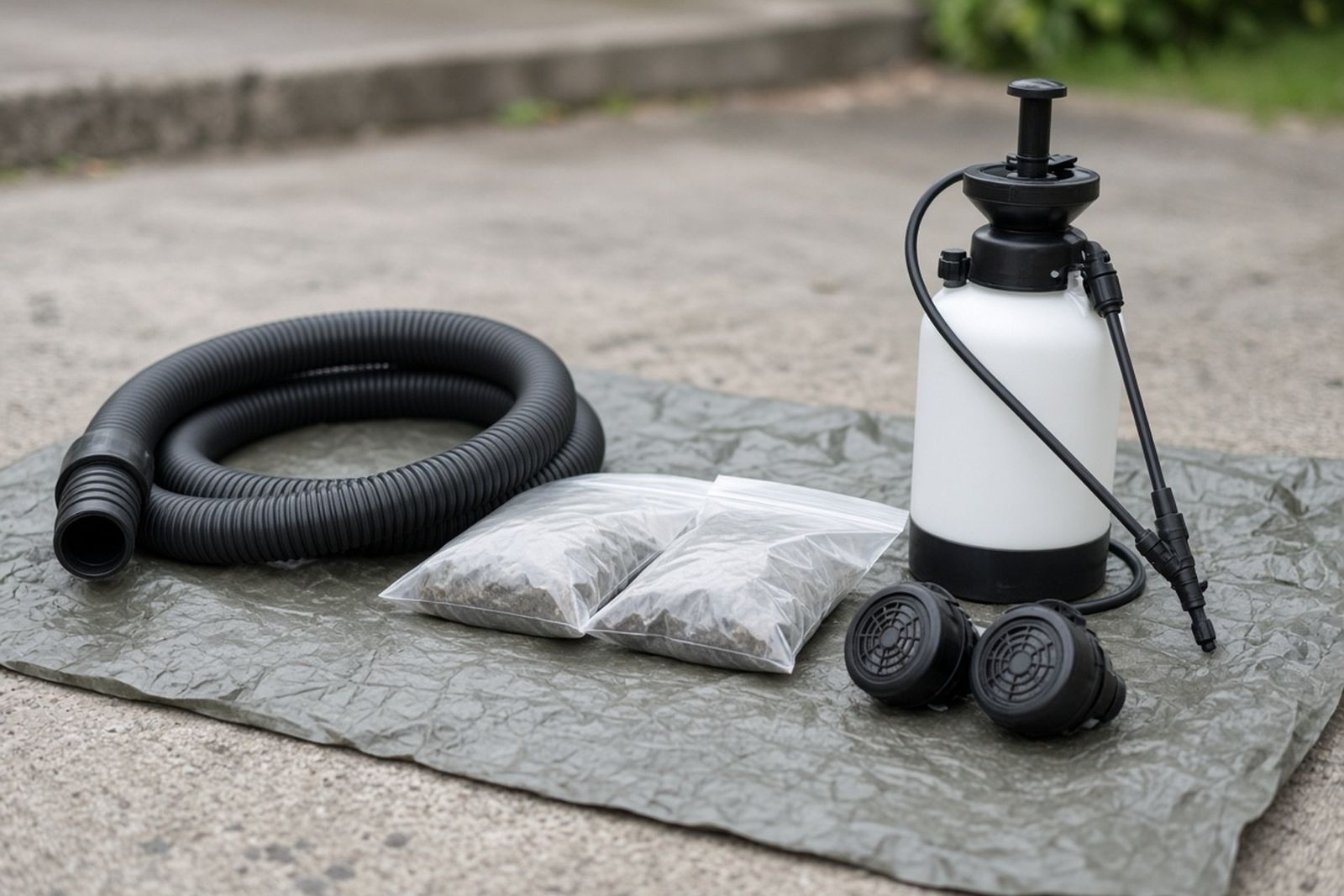
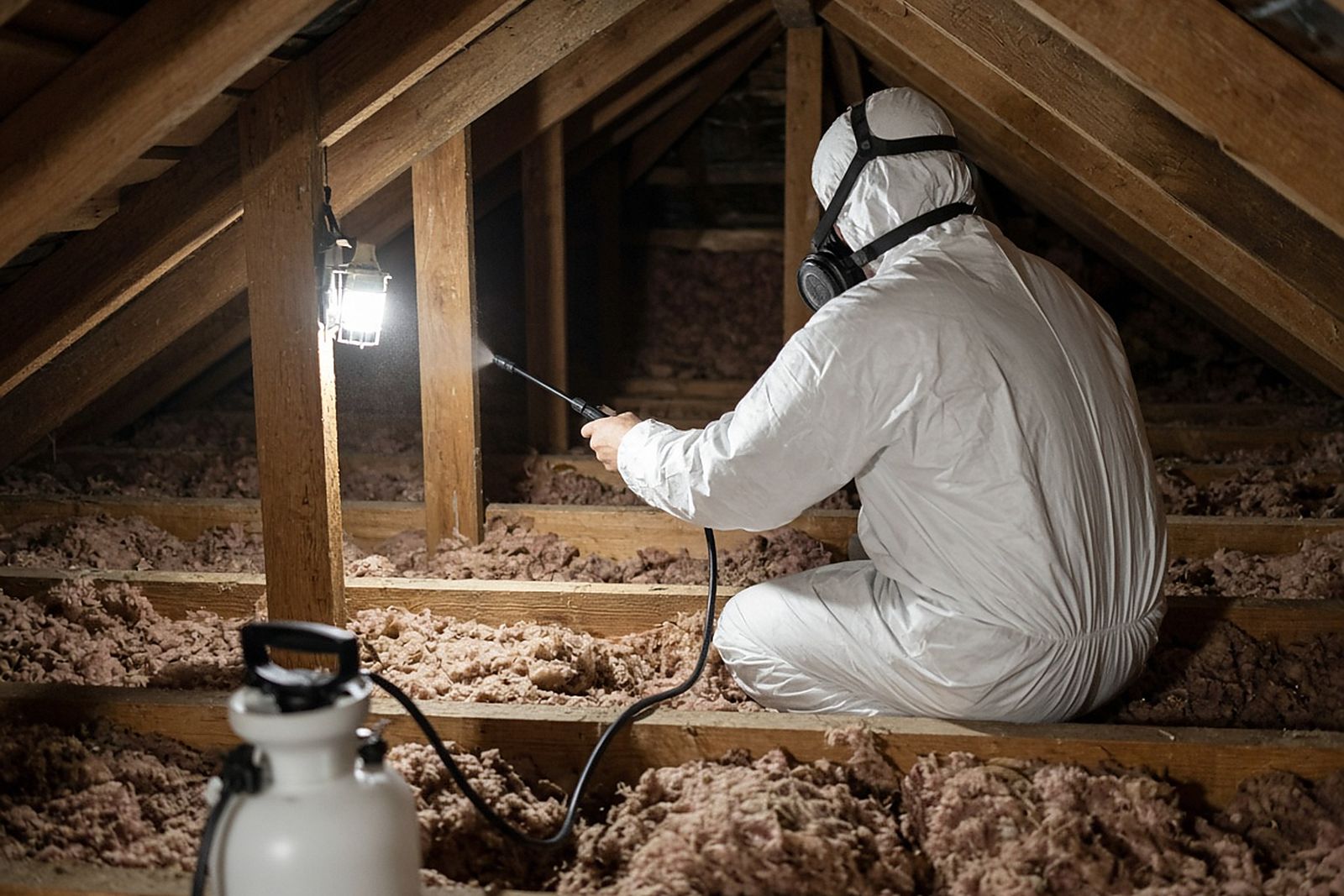
Worker protection is a useful quality signal. A company that fit-tests its technicians for respirators, provides disposable coveralls and gloves, and trains crews to use wet cleaning methods is likely to take care with your property too.
Ask, too, who will be your point of contact during the job. With a local firm it is often the owner. With a national brand it may be a branch manager or a scheduler. Knowing whom to call when something looks wrong saves frustration.
Follow-up and guarantees
Rodent problems can return if an entry point was missed or a new one opens. Many providers offer follow-up inspections or service plans for exclusion work. Read the terms carefully rather than relying on a general promise.
National brands may offer standardized service plans. Local firms may offer more flexible arrangements or simply return when called. Neither is automatically better. What matters is what is covered, for how long, and what you must do to keep coverage in place.
Be cautious of any guarantee that promises you will never see a rodent again. Exclusion reduces risk substantially, but buildings change, and honest providers explain the limits.
Get the terms in writing before work begins, and keep them with the final report. If you sell the property, find out whether the plan can transfer to the new owner.
- Is follow-up inspection included, and when?
- Does any guarantee cover exclusion only, or also cleanup if droppings return?
- What would void the guarantee, such as renovation or new openings?
- Is there a cost for return visits?
Records to expect from either type
Documentation helps with insurance questions, tenant disputes, health inspections and future work. Both local and national providers should be able to give you a clear written record.
Requesting an anonymized example of a finished report from each company is the quickest way to judge how thorough their paperwork really is.
- Inspection findings, including species if known and areas of activity.
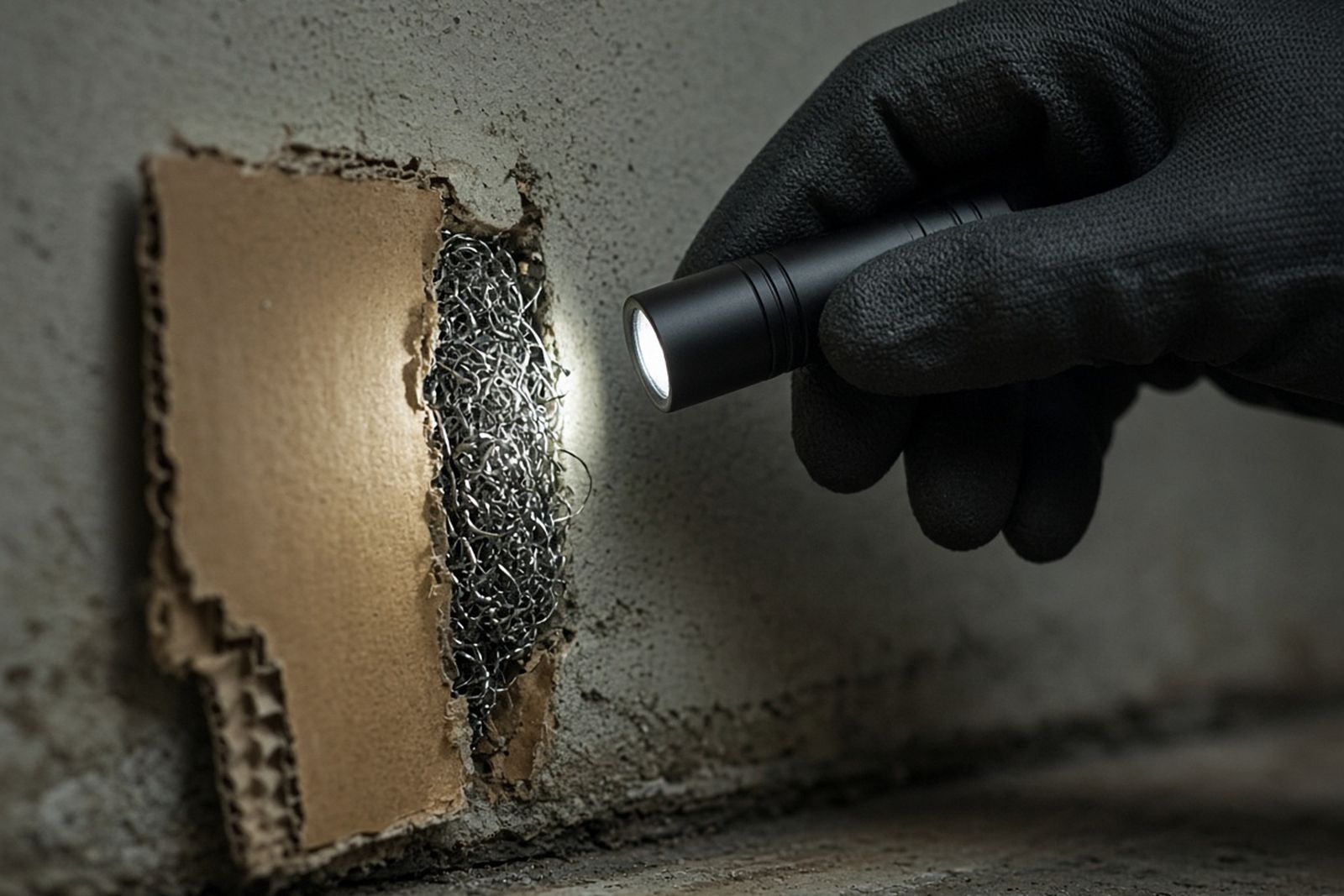
- Photos of entry points before and after sealing.
- The disinfectant used and how it was applied.
- A list of materials removed, such as insulation or stored goods.
- Before and after photos of each cleaned area.
- Recommendations for prevention and any follow-up schedule.
One homeowner, two quotes
Here is one way the choice can play out, using an illustrative homeowner rather than a real client. She lives in an older neighborhood, finds rat droppings in the basement and hears activity in the kitchen ceiling. She gets two quotes, one from a national pest brand's local branch and one from a small local remediation company.
In this example, the national branch offers trapping, exclusion and a service plan, with a sanitization spray of accessible basement surfaces. It does not include removing droppings from the ceiling cavity. The local company offers full cleanup of the basement and ceiling cavity, including removing soiled insulation, but asks her to hire pest control separately and recommends two operators it works with.
The homeowner asks both companies how they would coordinate. She ends up hiring the national branch for trapping and exclusion and the local company for cleanup, with a written agreement that cleanup starts only after the branch confirms activity has stopped. Each company knows what the other is doing, and she keeps both reports together in one file.
What questions should I put to every provider?
Ask the same questions of every company and compare the answers directly. Clear, specific replies matter more than the size of the company.
Ask each provider which license covers its pest control work and confirm it with the state agency that issues pest control licenses. If anyone develops fever, muscle aches or breathing difficulty after rodent exposure, they should see a healthcare provider and mention the contact.
- Do you handle exclusion, cleanup or both? If not both, how do you coordinate?
- Will your own employees do the work?
- What methods and protective equipment do you use for droppings and nests?
- What will you remove, what will you clean, and how do you decide?
- What follow-up or guarantee do you offer, in writing?
- Can I see a sample final report?