Rodent & Pest Droppings Remediation: Process & What to Expect
Property-specific walkthroughs for rodent & pest droppings remediation: assessment, scope approval, hazard controls, material decisions, documentation, verification, and restoration handoff. Not every phase applies to every incident.
Posts in this category follow a droppings cleanup job from the first look through the attic hatch to the handoff to an insulation company. You will read what a company checks during its first visit. You will learn why sealing gaps and trapping often start before anyone touches the droppings. You will see how workers wet down nests and soiled insulation. And you will see how bagged insulation can be carried through a house without spreading dust. Other posts cover how long attic and crawlspace work tends to take, and what to do in the hours before a crew arrives.
Get an email reply about rodent & pest droppings remediation
Send a short message to the follow-up inbox. A coordinator can reply by email. This form does not send emergency help; call 911 first if anyone is in danger.
Knowing the order of steps helps, because the job rarely goes the way people expect. You may be asked whether to remove insulation from the whole attic or just the worst area. You may be asked whether stored holiday boxes can be cleaned, or whether the ducts need a check. Cleanup waits for gap sealing, and new insulation waits for a clean space. Knowing why keeps you from paying twice for the same space. It also gets you ready for small practical moments. A crew may ask where to stack bags, or whether the attic fan can stay off for the day. You can answer quickly and keep the work moving.
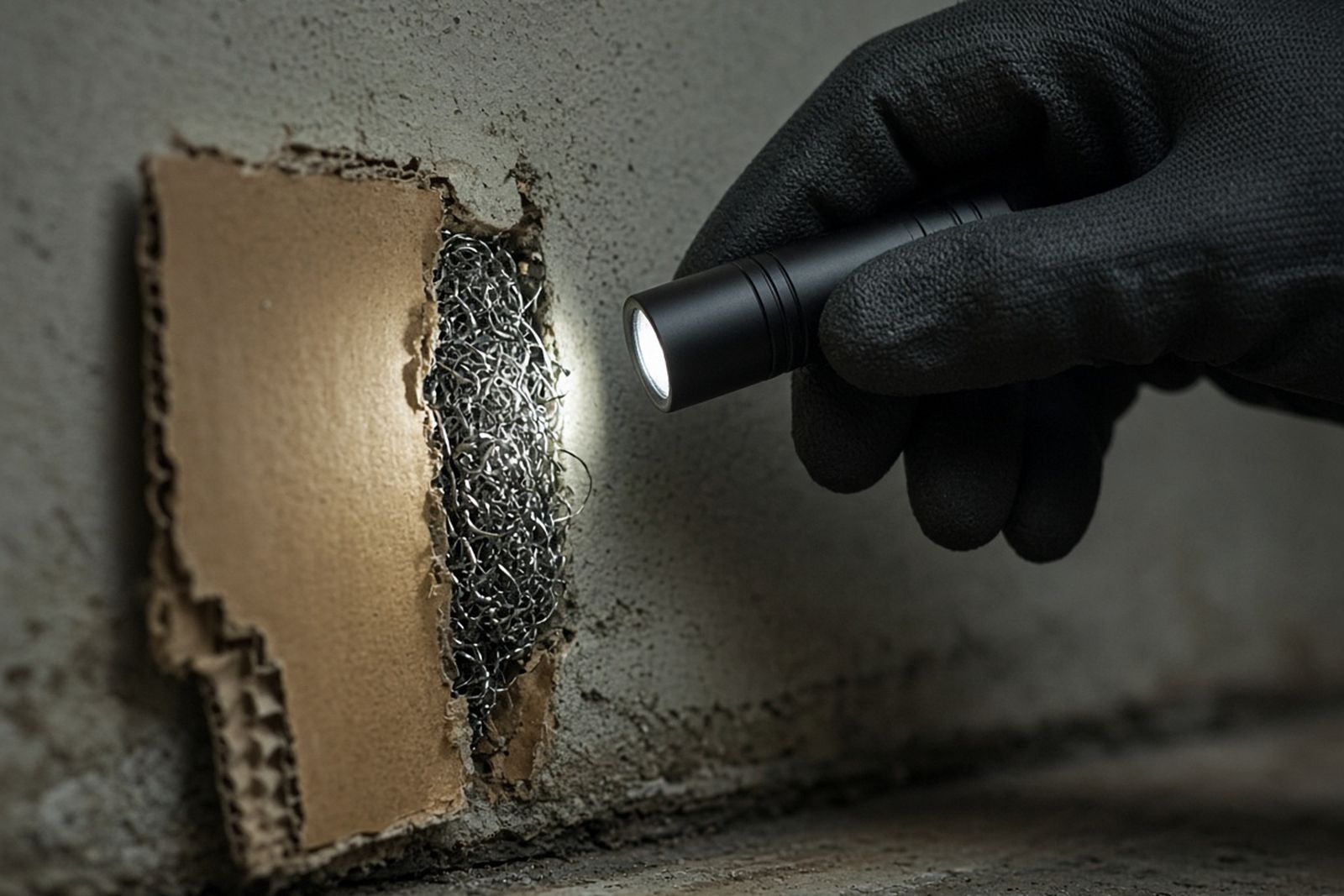
What to Expect During Professional Rodent & Pest Droppings Remediation
From attic inspection to sealed entry gaps and fresh insulation, here is what happens step by step when a crew remediates rodent droppings and nesting.
Professional rodent droppings remediation usually moves through inspection, trapping, exclusion of entry points, ventilation and setup, wet cleanup of droppings and nests, removal of soiled insulation if needed, disinfection and deodorizing, and a final check. The order matters: sealing gaps before new insulation goes in prevents reinfestation. Expect crews in respirators and coveralls, and expect to stay out of the work area while they clean.
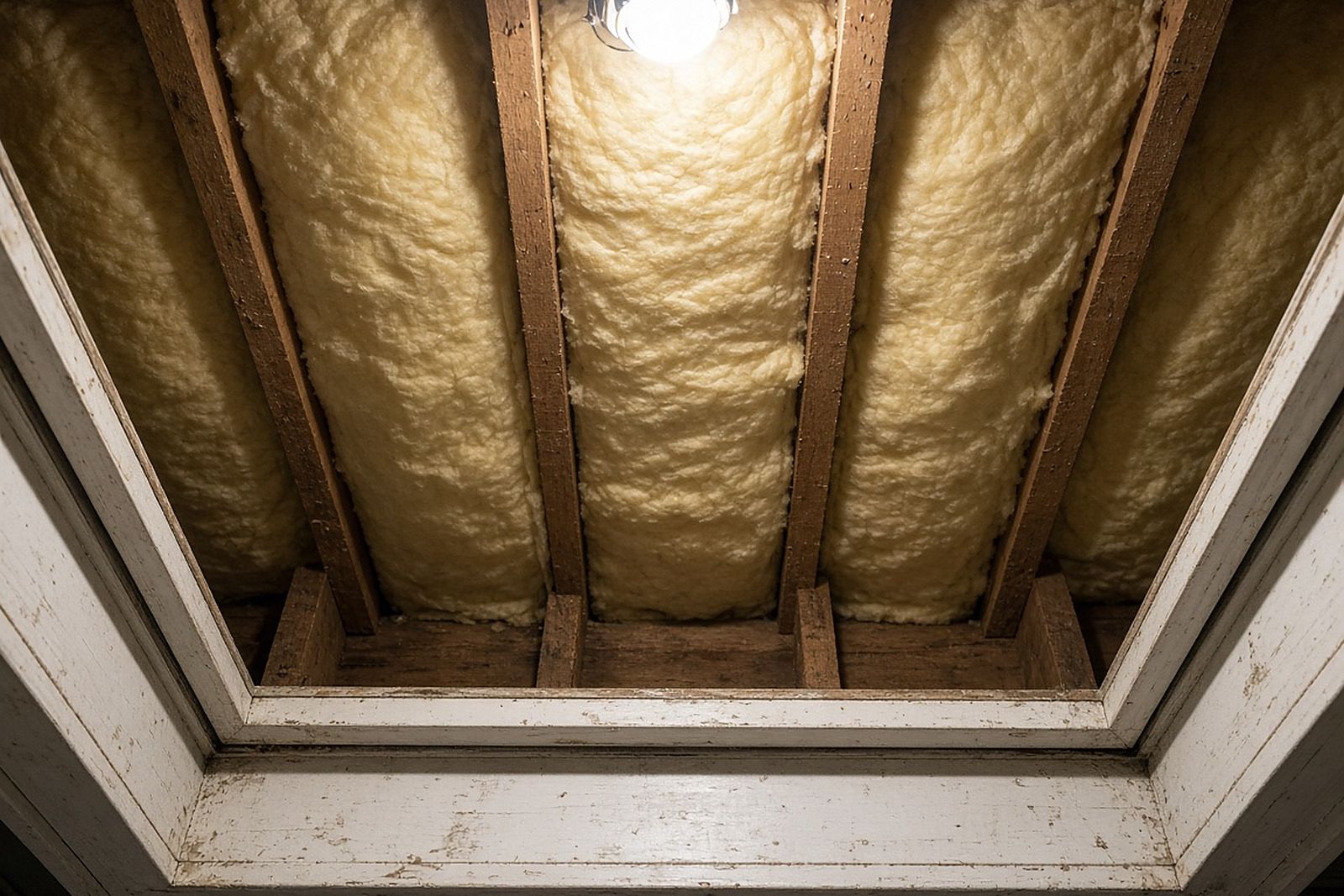
How Long Does Rodent & Pest Droppings Remediation Take?
Trapping, sealing gaps, soaking droppings, and replacing soiled insulation each add time. See how a rodent remediation timeline is built and what delays it.
Rodent droppings remediation usually happens in phases: inspection, removing active rodents, sealing entry points, cleaning and disinfecting, removing soiled materials, and restoring insulation or finishes. A light cleanup in one small area may take a single visit. A heavily used attic or crawlspace often needs several visits over days or weeks, because the rodents must be gone before cleaning can hold.
Urgent Rodent & Pest Droppings Remediation: What to Do Before a Provider Arrives
Just found heavy droppings, nests, or a dead rodent? Here is what to do right away to avoid stirring up dust, protect your household, and prepare for a crew.
If you find heavy rodent droppings or nests, leave the area, close it off, and do not sweep, vacuum, or pick anything up dry. Air the space out if you can do so from outside, keep children and pets away, and store food safely. Watch for fever, aches, or breathing trouble in the weeks after exposure and contact a healthcare provider if they appear. Then call a remediation provider.
Sourced figures on process & what to expect
- 21 million
The National Pest Management Association estimates rodents invade about 21 million U.S. homes each winter, and 24 percent of homeowners report mouse infestations specifically in winter.
Read with care: NPMA does not publish the underlying methodology for the 21 million estimate on this page.
Source: National Pest Management Association (2024)United States, seasonal estimate published by NPMA
- 35%
About 35 percent of hantavirus infections reported to CDC in the United States since 1993 resulted in death.
Read with care: CDC's About Hantavirus page cites 38 percent for people who develop respiratory symptoms, so the figure varies with the denominator used.
Source: CDC (2024)United States, all reported hantavirus disease cases 1993 through 2023
- 1-8 weeks
Symptoms of hantavirus pulmonary syndrome can appear 1 to 8 weeks after contact with an infected rodent, according to CDC.
Read with care: Incubation is wide and most people exposed to rodent droppings never become infected.
Source: CDC (2024)Hantavirus pulmonary syndrome, United States clinical guidance
These figures are public research and agency data, not this network's own job records. Keep each number with its population, year and limits; none of them predicts cost, timing or outcome at a specific property.
What research has found
Findings from published studies of people and properties in situations like this one. They describe what researchers observed in a specific group; they are not predictions for your case.
Older dwellings tended to have higher rodent prevalence.
Higher concentrations were associated with older and lower-income homes.
Process & What to Expect: common questions
Why does the provider want to seal entry points before cleaning?
If rodents can still get in, fresh droppings will show up on newly cleaned wood. New insulation may be soiled within weeks. Sealing gaps and removing active animals first means the cleanup actually lasts. Some crews seal the gaps themselves. Others plan the timing with a licensed pest control partner. Either way, ask who is doing it and when.
Will the crew need to come inside my living space?
Usually only to reach the attic hatch or crawlspace door and to carry out bagged material. Expect plastic sheeting along that path. There may also be a sealed tent around the hatch itself. Ask the company to walk you through the route ahead of time. Then you can move furniture, keep pets away, and close off nearby rooms.
What should I receive once the droppings work is finished?
Ask for before and after photos of each area treated. Ask for a note on how much insulation and nesting was removed and which disinfectant was used. Also ask where the waste was taken and what gaps were found. That record helps your insulation installer and your insurer. It also helps any future buyer who asks about the attic.
How many visits should I expect for a typical attic job?
Many attic jobs take more than one visit. There is an inspection, then one or more visits to trap and seal gaps. Then comes the cleanup itself, and sometimes a follow-up check. A small, light job may be done in a single trip. The number depends on how active the rodents are, how much insulation is affected, and whether other trades are involved. Ask the company to list the visits in the written plan.
What should I do the night before the crew arrives?
Clear the path to the attic hatch or crawlspace door. Move cars out of the driveway if the crew needs space for equipment. Put pets somewhere safe. Close doors to rooms the crew does not need. Turn off the heating and cooling system if the company asked you to. Keep your phone nearby so the crew lead can reach you with questions or findings on the first day.
Will I get a chance to approve changes if the crew finds more contamination?
You should. A careful company stops and shows you what it found with photos. It explains how the find changes the work before going further. Ask for a written change order that describes the added area or material and any change in cost. Agree on this process before the job begins. Then neither side is surprised if hidden nests or soiled insulation turn up behind a wall or under a floor.
What happens to traps and monitoring devices after the cleanup is finished?
Some companies leave traps for a while to catch stragglers and confirm the sealing held. Others take everything out at the final visit. Ask who will check any traps left behind, how often, and what happens if they catch something. Knowing this ahead of time helps you avoid finding a forgotten trap weeks later. It also gives you a clear plan if rodents show up again.
Related community polls
Every count is a real visitor vote; nothing is seeded or padded. One vote per poll per device, and you can change your answer.
If you found droppings across your attic insulation, what would you most likely do?
How well do you understand the hantavirus risk from rodent droppings?
More on rodent & pest droppings remediation
Rodent & Pest Droppings Remediation services
See how wet cleanup, attic and crawlspace work, bat droppings, sealing gaps, and insulation choices fit together after rodents move in.
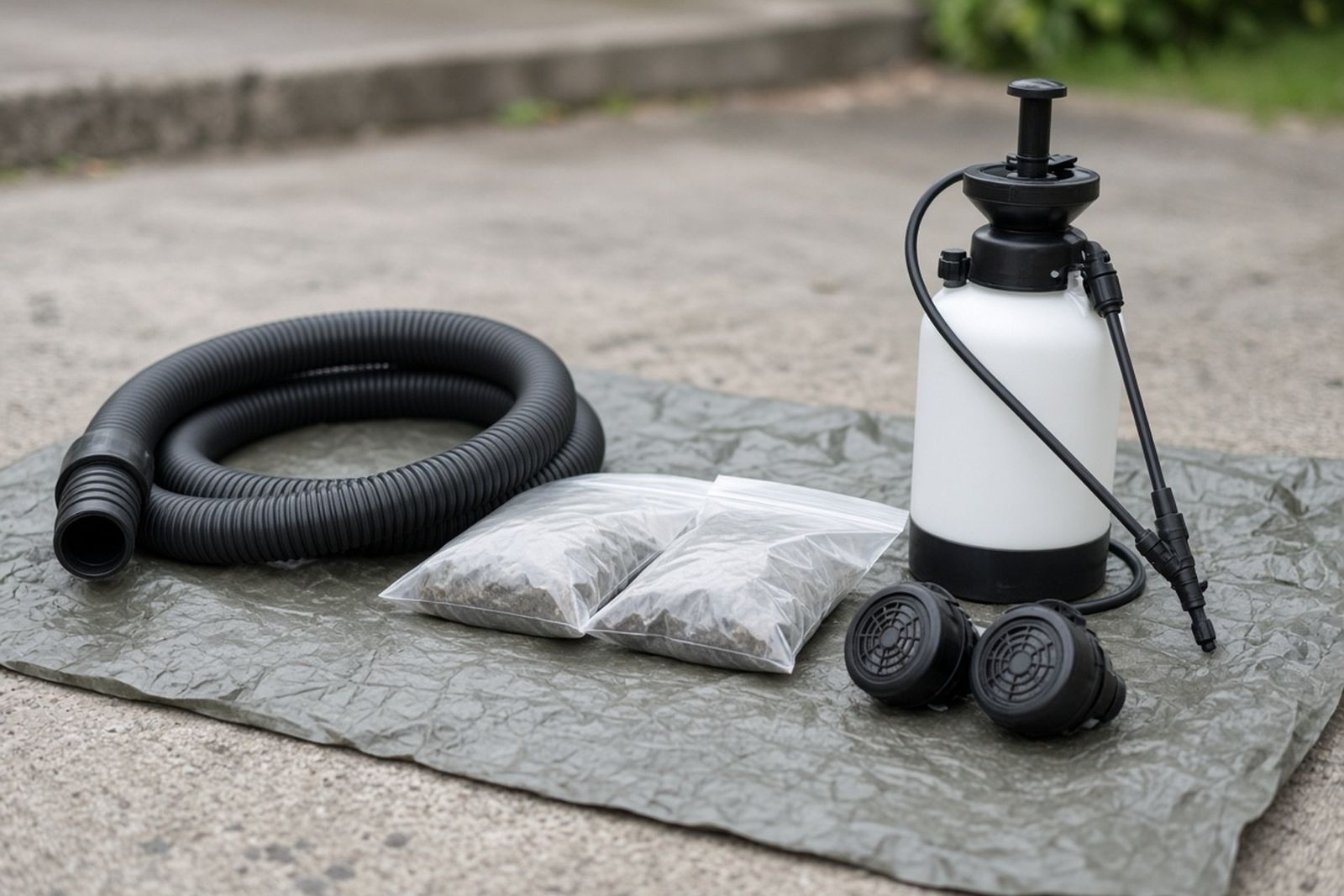
Costs explained
What drives the price, published cost ranges, and how to read a written quote line by line.
Insurance and payment
Which policies may respond, how to document a claim, and what to do if coverage is denied.
Planning tools
Use the risk check, planner, cost estimator, vetting questions, claim organizer, and waste guide built for droppings in attics and crawlspaces.
Community polls
See how other homeowners and landlords handle attic droppings, new insulation, and the choice between cleaning up themselves or hiring help.
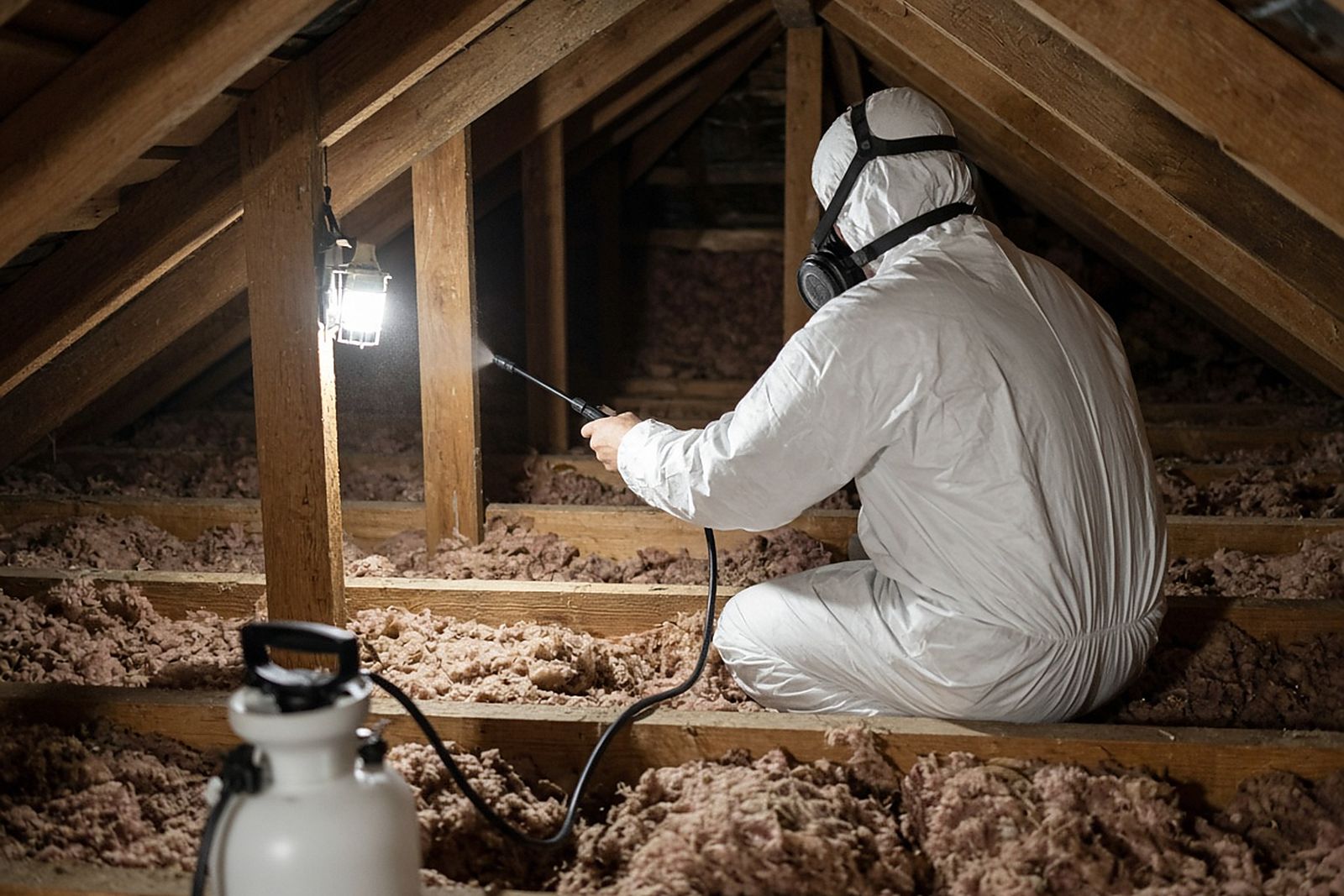
Knowledge quiz
Check whether you know why dry sweeping is dangerous, when insulation must go, and why sealing the gaps comes first.