Does Insurance Cover Rodent Droppings Cleanup?
What insurers usually say about rodents, and what is still possible
Rodent problems are one of the more frustrating areas of insurance. Many policies treat them as upkeep you could have prevented. Still, some related losses may be covered, and landlord and tenant rules can shift who pays. This guide explains which policies may help and the common exclusions. It covers how to document a claim, how to work with an adjuster, and other ways to pay.
Get an email reply about rodent & pest droppings remediation
Send a short message to the follow-up inbox. A coordinator can reply by email. This form does not send emergency help; call 911 first if anyone is in danger.
What published figures say about coverage and payment
- 27%
In a 2023 Harris Poll for NPMA, 27 percent of U.S. adults said they found a rodent in their home in the past year and 9 percent reported a rodent infestation.
Read with care: Commissioned by a pest-industry trade group and based on self-reported online responses.
Source: National Pest Management Association (2023)United States, 2,087 adults 18+, online survey September 22-26, 2023, margin of error 2.7 points
- $395
Professional rat extermination costs an average of $395, with most homeowners paying between $189 and $655, according to HomeAdvisor cost data.
Read with care: Covers extermination only; contamination cleanup, exclusion sealing ($200-$600), and insulation replacement are priced separately.
Source: HomeAdvisor (2026)United States, HomeAdvisor member project cost data, updated June 2026
- $2,100
Insulating an attic costs about $2,100 on average ($1,700 to $2,500), and removing old insulation runs $1 to $1.50 per square foot, according to HomeAdvisor.
Read with care: Figures are for standard insulation work; contaminated insulation may require hazardous-waste handling that raises the removal price.
Source: HomeAdvisor (2026)United States, HomeAdvisor cost data, updated June 20, 2026
- $1.50 per sq ft
Attic cleaning costs most homeowners about $438, and rodent decontamination adds roughly $1.50 per square foot plus about $200 to deodorize and disinfect, per Thumbtack data.
Read with care: Marketplace averages vary widely by attic size, contamination level, and whether insulation must be removed.
Source: Thumbtack (2026)United States, Thumbtack marketplace pricing, updated March 31, 2026
- Civil Code 1941.1
California Civil Code 1941.1 requires landlords to keep rental premises free from accumulations of debris, filth, rubbish, garbage, rodents, and vermin as a condition of habitability.
Read with care: Applies only to California; other states set habitability rules through their own statutes or case law.
Source: California Legislative Information (2024)California residential rental housing, statutory habitability standard
- $4,000
Biohazard cleanup nationally averages about $4,000, with a typical range of $3,000 to $5,000 and extremes from $1,500 to $25,000, per Fixr's January 2025 guide.
Read with care: Fixr figures are editorial cost estimates compiled from contractor and industry data, not a statistical survey of completed jobs; local prices vary widely.
Source: Fixr (2025)United States, residential biohazard cleanup, estimates as of January 2025
These figures are public research and agency data, not this network's own job records. Keep each number with its population, year and limits; none of them predicts cost, timing or outcome at a specific property.
Which policies might respond to rodent-related losses?
Most people look first at their homeowners policy. But it often excludes damage caused by vermin and rodents. Coverage may still apply to some losses that result from them. Examples are a fire caused by chewed wiring or water damage from a gnawed pipe. This depends on the policy wording. Renters policies protect a tenant's belongings. But they usually have similar exclusions for rodent damage to the unit or its contents.
Landlord and business property policies often have the same kind of vermin exclusion. Business tenants may also have duties under their lease. Businesses like restaurants or food warehouses may carry coverage for spoiled or contaminated stock. That may help in limited cases. Because wording varies a lot, read the exclusions and any exceptions carefully. Ask your agent to explain how they apply to you.
- Homeowners, often with a vermin exclusion
- Renters coverage for a tenant's belongings
- Landlord and business property policies
- Exceptions for resulting losses like fire or water
- Spoilage or contamination coverage for some businesses
Why do standard policies usually exclude rodent damage?
Insurers usually see infestations as an upkeep issue, not a sudden accident. Progressive stated in 2025 that damage caused by mice and rat infestations generally is not covered by a standard homeowners policy because it is considered preventable. That view shapes how many insurers answer claims for droppings cleanup and new insulation. It is worth knowing before you call.
Knowing this helps you set realistic hopes. Instead of expecting the cleanup to be paid, focus on whether a resulting loss might be covered. Gather records that could support that case. Some policies have exceptions to their exclusions, like when a fire or water leak results. Ask your agent to name any exceptions in writing. Then you can decide whether a claim is worth it.
How do landlord and tenant responsibilities fit in?
In rentals, the duty often falls to the landlord under rules about livable housing. For example, California Legislative Information shows that California Civil Code 1941.1, as published in 2024, requires landlords to keep rentals free from buildup of debris, filth, rubbish, garbage, rodents, and vermin. This is a condition of a home being livable. Other states have their own rules, and local housing codes may add more.
Tenants facing an infestation should tell the landlord in writing and keep copies. Take photos of droppings and damage. A renters policy may help replace belongings if a covered event is involved. But it usually won't pay for cleanup. Landlords should record how they responded and keep invoices. Rules vary by state and county; verify with the local authority or a local tenant or landlord resource.
How should you document a rodent-related claim?
Before cleanup starts, take photos of droppings, nests, chewed materials, and damaged insulation. Also photograph any resulting damage, like water stains or burned wiring. Write down when you first saw signs of rodents, what steps you took, and any pest control visits. Keep bills from pest control, cleanup, electricians, and plumbers separate. Then each one can be matched to the right part of any claim.
Ask the cleanup firm for a written scope that explains what was removed and why. Ask for before and after photos too. If you are claiming a resulting loss, like a fire or water leak, get a written opinion on the cause from the repair pro. These records help the adjuster see whether any part of the loss falls under a covered exception.
- Photos of droppings, nests, and damage
- A timeline of what you found and what you did
- Pest control and cleanup invoices
- Repair pros' opinions on the cause
- Before and after photos from the contractor
How do you work with an adjuster on a rodent claim?
Call your insurer right away. Describe the resulting loss clearly, like water damage from a chewed supply line. Don't focus only on the rodents. Share photos, invoices, and expert opinions about the cause. When it's safe, let the adjuster look before damaged materials are thrown out. Ask what papers they need to review the claim.
Expect questions about upkeep, how long signs of rodents were there, and what you did. Answer honestly and keep a log of every talk. If the adjuster applies the vermin exclusion, ask for the exact wording. Ask whether they looked at any exceptions. Confirm talks in writing. Keep copies of everything you send or get, sorted by date.
What are your options if the carrier says no?
Ask the insurer to put its decision in writing and quote the exact wording it relies on. Compare it with your full policy, including add-ons and any exceptions to exclusions. Ask your agent or broker to go over it with you. The denial may be about a resulting loss, like a fire or water leak. If so, more details on the cause from a repair pro may help the insurer reconsider.
If you think the claim was handled unfairly, your state insurance department can answer questions about claims. It also takes complaints. For bigger losses, a public adjuster or lawyer may review the file. Make sure you understand their fees first. Keep track of the deadlines in your policy while any appeal is going on. Keep protecting the home from more damage.
How can prevention records help future claims?
Insurers often point to upkeep when they deny rodent claims. So a record of sensible prevention can matter later. Keep receipts for pest control, notes on when entry points were sealed, and photos of repairs. A fire or leak may happen in the future. If it does, those records show the problem was being handled, not ignored.
Prevention records also help landlords show they responded to tenant complaints. They help sellers answer buyer questions during a sale. Store them with your home or property files and update them after each service visit. A simple folder of dated invoices and photos can make a hard talk with an adjuster, tenant, or buyer much easier and faster to settle.
What other funding options might help?
Where they exist, some local housing agencies, weatherization programs, and health departments help residents who qualify. They may help with pests, repairs, or new insulation. Energy efficiency rebates may help pay for new insulation. Contact your city or county housing department and your local utility to learn what is offered. Ask who qualifies and whether you must be approved before work starts.
When a property is sold, the cleanup may be negotiated as part of the sale. Estates handling a home after a death may pay from estate funds. Tenants may have rights under local rules on livable housing if a landlord fails to act. Home warranty plans rarely cover pest damage, but it's worth reading the contract. Listing every option helps you plan while insurance questions get settled.
Keep the claim organized
Rodent & Pest Droppings Remediation insurance claim organizer
A checklist to keep the claim orderly. It stores nothing on our servers; copy the summary to your own notes.
0 of 18 steps recorded (0%)
Print or paste the summary into your own records. Coverage is the carrier's decision under the policy; keep every answer in writing.
Open the full tool page for a worked example and more answers.
What research has found
Findings from published studies of people and properties in situations like this one. They describe what researchers observed in a specific group; they are not predictions for your case.
Rural homes tended to have higher rodent prevalence.
Reported cockroach problems were also associated with elevated mouse-allergen levels.
Insurance questions about rodent & pest droppings remediation
Will my homeowners insurance pay for attic insulation replacement after mice?
Often it won't. Many standard homeowners policies exclude damage from rodent problems as upkeep you could have prevented. Coverage may be possible if the insulation damage came from a covered event, like a fire or sudden water leak. Review your policy and ask your agent to point out any exception that applies. Record the cause carefully.
Is damage from chewed wiring covered?
The chewing itself is usually excluded. But a fire that results may be covered under many homeowners policies, depending on the wording. If you find chewed wiring before a fire happens, the repair is usually treated as upkeep. Have a licensed electrician check the wiring soon. Ask your agent how your policy treats losses that result from rodent damage.
My apartment has mice. Who pays for cleanup?
In many places, landlords must keep rentals free of rodents under rules about livable housing. But these rules differ by state and local area. Tell your landlord in writing, keep copies, and take photos of the signs. Your renters policy may help with belongings in some cases. But it usually won't pay for cleanup. Local tenant groups can explain your rights.
Can a business claim food spoilage after a rodent problem?
Some business policies cover spoiled or contaminated stock. But many exclude losses caused by vermin. Whether coverage applies depends on the policy wording, the cause of the loss, and any add-ons. Report the event to your insurer and record the stock you threw out. Cooperate with any health inspection. Ask your broker whether an add-on applies and what records the insurer will want.
Should I file a claim even if I think it will be denied?
If there is a resulting loss that might be covered, like fire or water damage, filing may make sense. If the only damage is droppings and insulation, a claim may be denied. It could also show up in your claims history. Talk with your agent about the likely result and how it might affect your policy before you decide.
Are there programs that help pay for rodent cleanup?
Where they exist, some local housing, weatherization, and public health programs help residents who qualify. They often focus on older adults, people with disabilities, or low-income households. Utility rebates may help with new insulation. Contact your city or county housing department, local health department, and utility company. Learn what is offered in your area and how to apply.
What records help most if I need to dispute a denial?
The most useful records are photos taken before cleanup and a timeline of when you saw the problem and what you did. Invoices from pest control and cleanup help too. So do written opinions from repair pros about the cause of any resulting damage. Keep copies of every letter and email with the insurer. Note the names and dates of phone calls.
What other visitors said
Every count is a real visitor vote; nothing is seeded or padded. One vote per poll per device, and you can change your answer.
If you found droppings across your attic insulation, what would you most likely do?
How well do you understand the hantavirus risk from rodent droppings?
More on rodent & pest droppings remediation
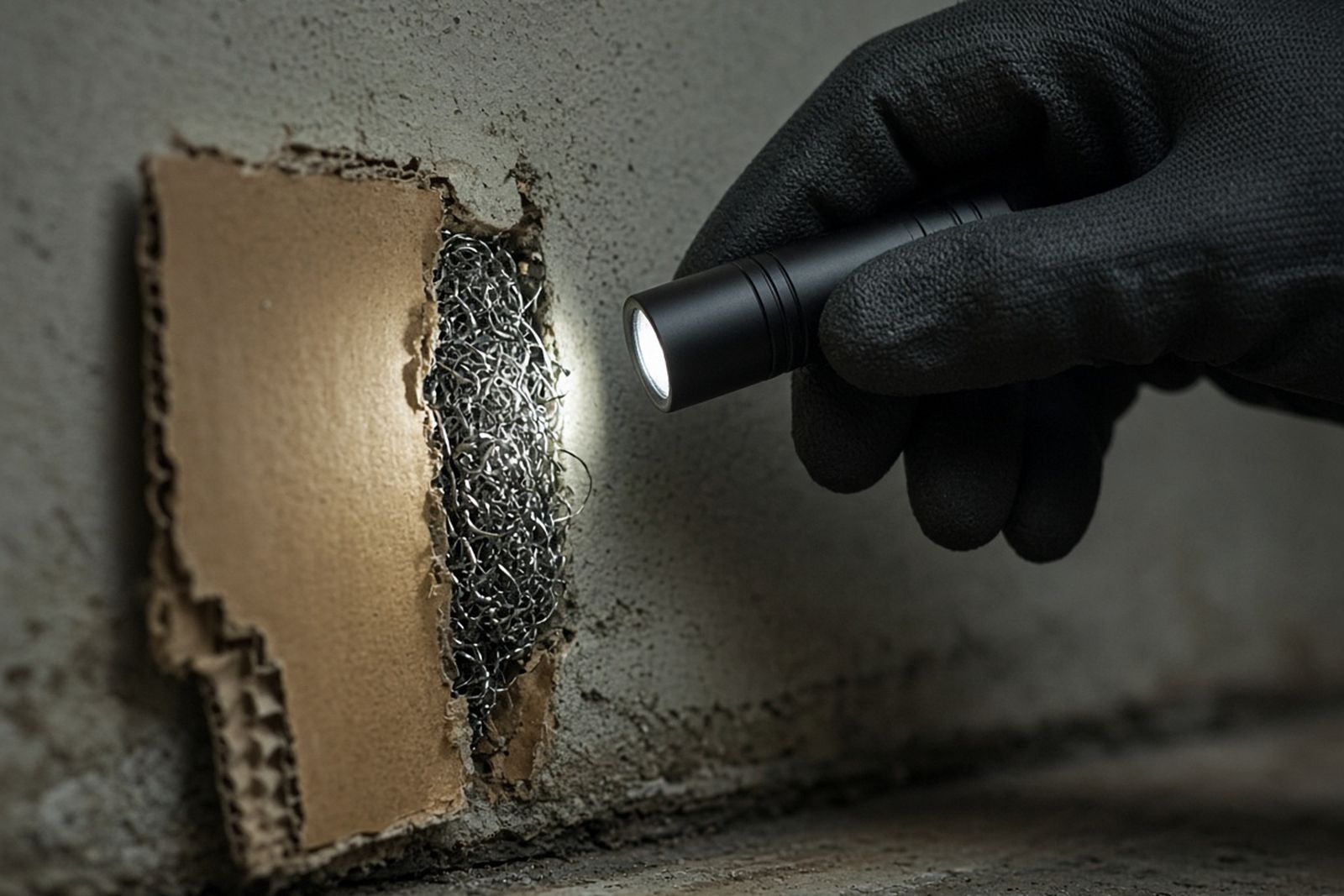
Rodent & Pest Droppings Remediation services
See how wet cleanup, attic and crawlspace work, bat droppings, sealing gaps, and insulation choices fit together after rodents move in.
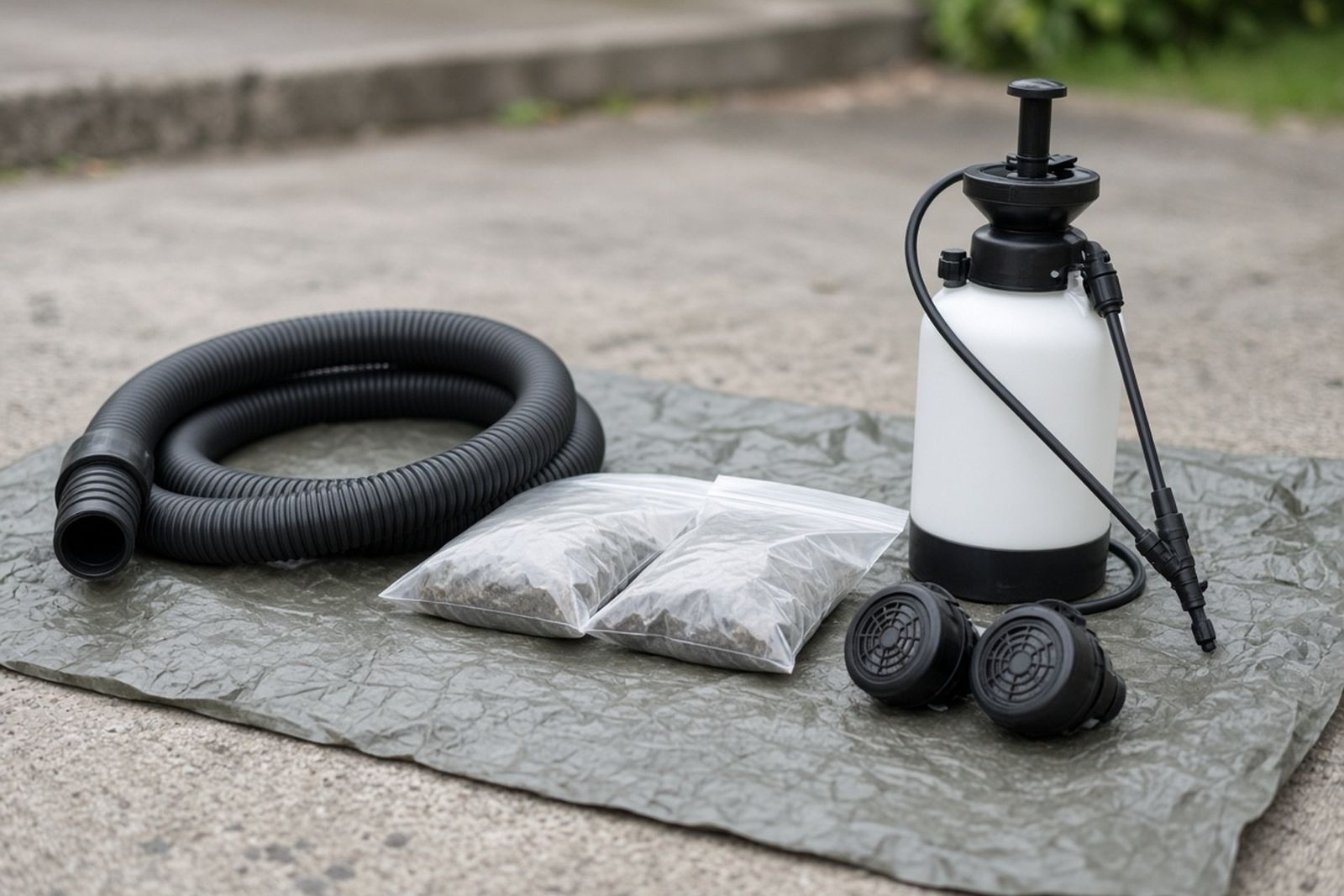
Costs explained
What drives the price, published cost ranges, and how to read a written quote line by line.
Planning tools
Use the risk check, planner, cost estimator, vetting questions, claim organizer, and waste guide built for droppings in attics and crawlspaces.
Community polls
See how other homeowners and landlords handle attic droppings, new insulation, and the choice between cleaning up themselves or hiring help.
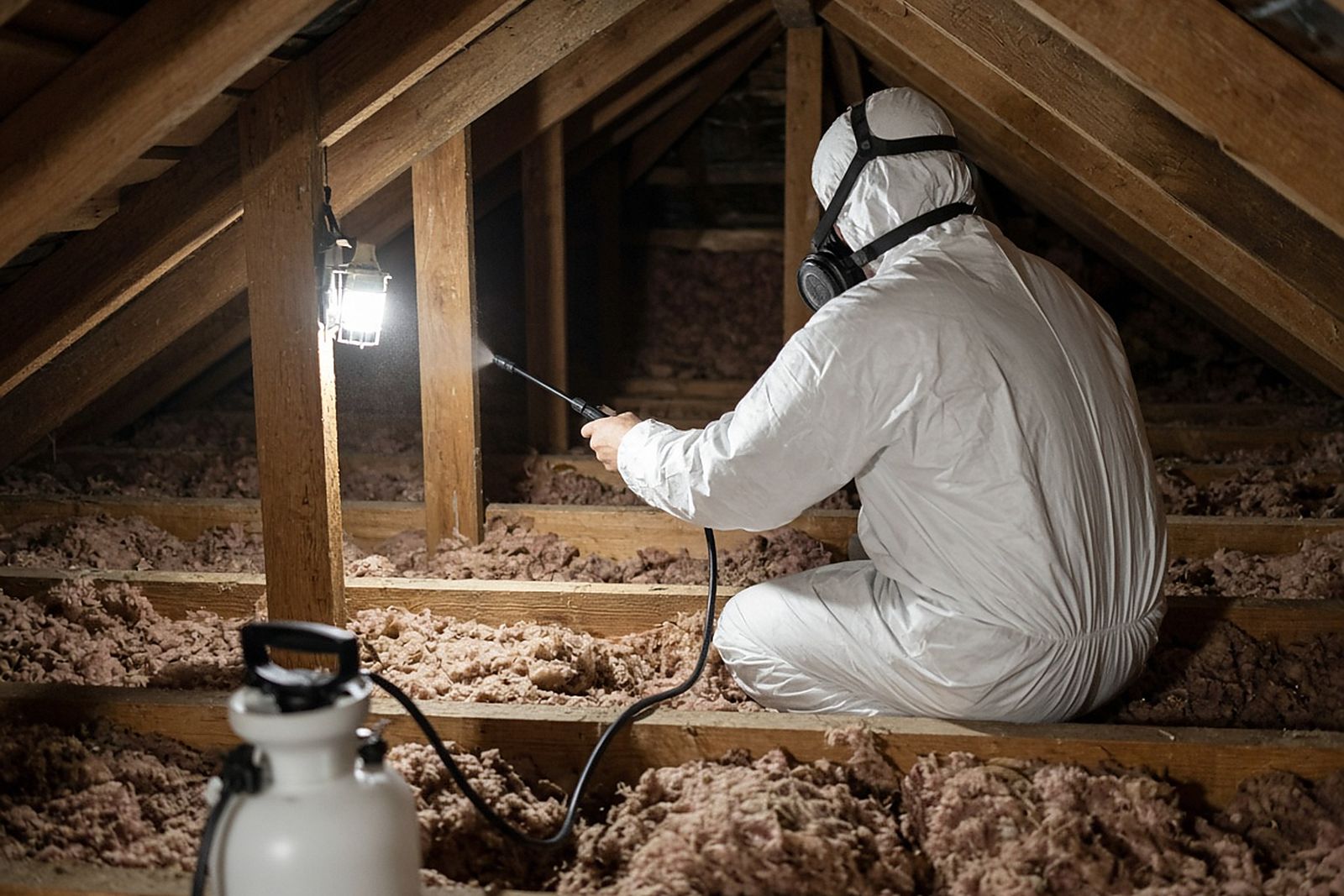
Knowledge quiz
Check whether you know why dry sweeping is dangerous, when insulation must go, and why sealing the gaps comes first.
Articles and resources
Longer reads on nests in cars, rodents in empty homes, bat colonies in attics, and what a good cleanup plan should look like.