Rodent & Pest Droppings Remediation: Health & Wellness
Privacy, decision-load, trauma-aware communication, and verified support resources for people managing rodent & pest droppings remediation. Educational remediation content is not mental-health treatment.
The health and wellness category looks at the personal toll of finding rodents in your home. Posts cover the unease many people feel about sleeping under an attic full of rodents. They show how to cope with crews, noise, and closed-off rooms. They also share practical ways to worry less about illness. Other articles cover when to talk with a doctor after contact. They explain how allergies and asthma can flare from rodent dander and dust. They also cover where to find support when a rodent problem adds to other stress. A few posts speak to caregivers who are arranging cleanup for an older relative with rodents in their home.
Get an email reply about rodent & pest droppings remediation
Send a short message to the follow-up inbox. A coordinator can reply by email. This form does not send emergency help; call 911 first if anyone is in danger.
People react to rodent problems in very different ways. Some feel embarrassed, even though rodents get into well-kept homes all the time. Others struggle with worry about disease long after the attic is clean. These posts speak to both. Caring for your own health and peace of mind helps you make steadier choices about scope and cost. So this category sits beside the practical guides, not behind them. Some posts cover how to talk calmly with children about mice in the house. Others cover how to reassure family members who worry about using a room below the attic. Comfort based on well-recorded work tends to last longer than general promises.
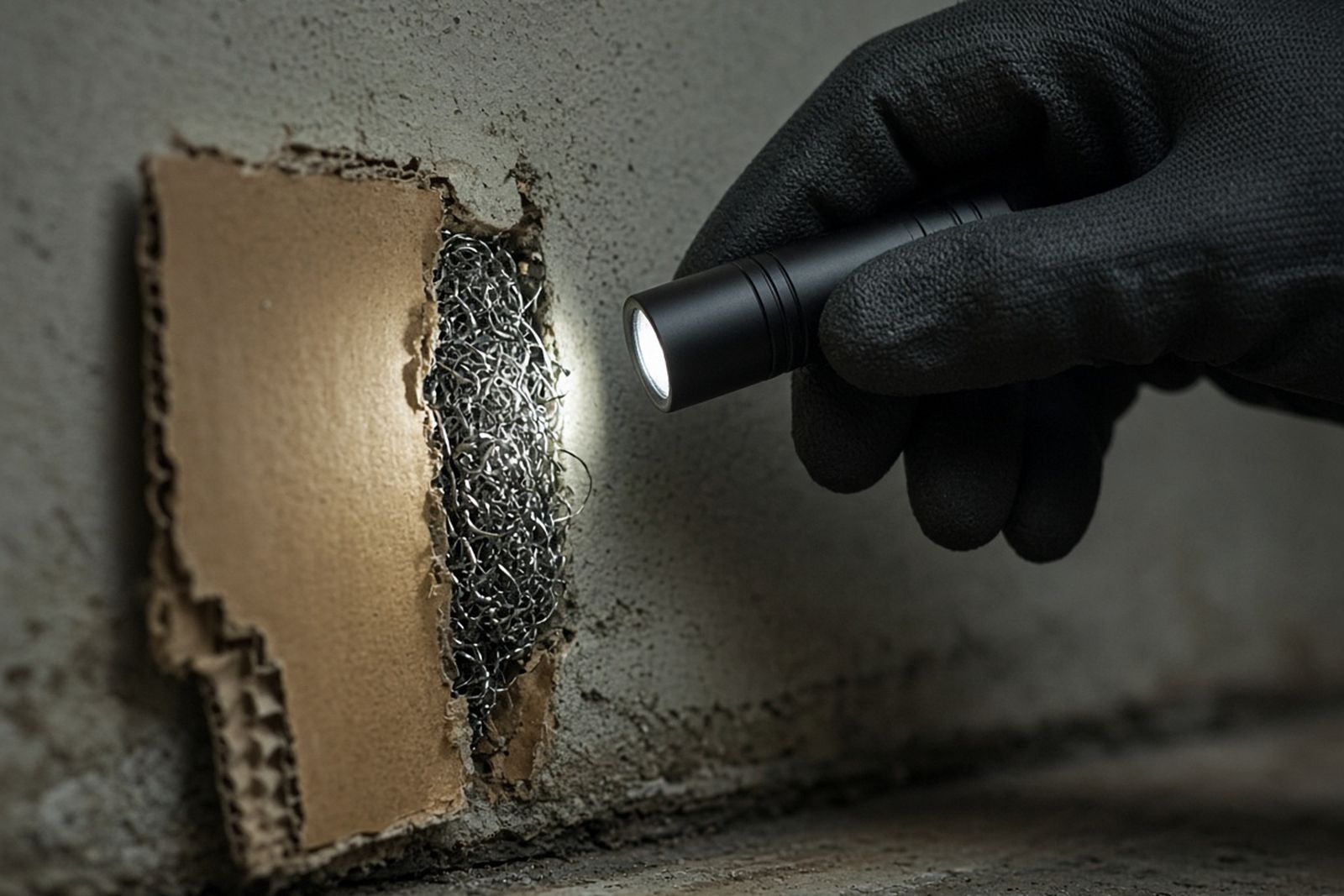
Managing Stress and Disruption During Rodent & Pest Droppings Remediation
Scratching in the walls, droppings in the pantry, and a crew in your attic can wear you down. Ways to handle the stress, shame, and disruption of cleanup.
Rodent droppings and the cleanup that follows often bring disgust, embarrassment, lost sleep, health worries, and disruption to daily routines. You can ease the strain by remembering how common rodents are, planning the work so living spaces stay usable, communicating clearly with family or tenants, sorting real risks from imagined ones with reliable guidance, and focusing on exclusion so the problem does not return.
Mental Health Resources During Rodent & Pest Droppings Remediation
Scratching in the walls, droppings in the pantry and worry about hantavirus can wear you down. Here is how to find support while a rodent problem is resolved.
A rodent infestation can bring disgust, embarrassment, lost sleep, health anxiety and conflict with landlords or family. Those reactions are common. Support can come from your clinician for health questions, a counselor or employee assistance program for ongoing stress, tenant resources for housing disputes, and the 988 Suicide and Crisis Lifeline by call or text if things feel overwhelming.
Sourced figures on health & wellness
- 35%
35% continued using pesticides after the intervention.
Read with care: No universal product endorsement; long-term sustainability and cost-effectiveness unresolved.
Source: Roomaney et al. (2012)175 Cape Town household respondents followed six months after receiving two rat traps.
- 22%
22% had kitchen-floor levels above the study's elevated-concentration threshold.
Read with care: Historical allergen detection; does not mean active mice in every positive home.
Source: Cohn et al. (2004)Representative sample of 831 US housing units in the first national housing-allergen survey.
- 82%
A national survey of 831 U.S. homes found detectable mouse urinary protein allergen in 82 percent, and elevated levels nearly doubled asthma risk among allergic residents.
Read with care: Detectable allergen does not mean an active infestation; the survey data were collected in 1998-1999.
Source: Environmental Health Perspectives (NIEHS) (2009)United States, National Survey of Lead and Allergens in Housing, 831 homes in 75 locations
These figures are public research and agency data, not this network's own job records. Keep each number with its population, year and limits; none of them predicts cost, timing or outcome at a specific property.
What research has found
Findings from published studies of people and properties in situations like this one. They describe what researchers observed in a specific group; they are not predictions for your case.
Older dwellings tended to have higher rodent prevalence.
Willingness to buy traps in an informal market was associated with acceptance.
Health & Wellness: common questions
Is it normal to feel uneasy at home after finding a rodent infestation?
Yes. Many people feel unsettled knowing animals were living above them or under the floor. That feeling can last after the cleanup. It often helps to see the recorded results, learn how the gaps were sealed, and notice that the rodents are gone. If worry lasts or keeps you from sleeping, talking with a counselor or your doctor is a sensible step.
Can rodent droppings make asthma or allergies worse?
Rodent urine, dander, and dust from nests are known to cause allergies. Contact can make asthma or allergy symptoms worse in some people. If someone in your home has more trouble breathing or more stuffiness, mention the rodent problem to their doctor. It is also wise to keep sensitive family members away from the work area during cleanup.
Should I stay somewhere else while the attic is being cleaned?
Many households stay home during attic work. That is especially true when the crew seals the hatch and uses air filters and plastic walls that keep dust inside the work area. But someone in the home may be pregnant, have a weak immune system, or have serious lung disease. If so, ask the company about its plan. Think about staying elsewhere on the most disruptive days.
What symptoms should I mention to a doctor after cleaning up droppings?
Tell your doctor about fever, muscle aches, tiredness, headaches, upset stomach, or any trouble breathing in the weeks after a cleanup. Be sure to mention the rodent contact. Early symptoms can look like the flu, so the background helps your doctor decide what to check. Get urgent care if you have trouble breathing. Most people who clean droppings do not get sick, but reporting the contact matters.
How can I improve indoor air after a rodent cleanup?
Replace the furnace and air conditioner filters after the work is done. Ask whether the ducts need a check if rodents were near them. A portable air cleaner with a fine-particle filter can help in rooms near the affected area. Let fresh air in when the weather allows. Make sure soiled insulation and nests were fully removed. Leftover material can keep releasing odor and allergens into the air.
Is it safe to be pregnant in a home during rodent remediation?
Pregnant people should not handle droppings, nests, or dead rodents. They should stay out of work areas during cleanup. Some infections spread by rodents can be a concern during pregnancy. Talk with your doctor about any contact or worries. If you can, stay elsewhere during heavy cleanup. Return when the company confirms the area is clean and the disinfectant has dried.
How can I take care of myself when the cleanup takes weeks?
Keep daily routines as steady as you can, especially sleep and meals. Set aside one room that feels clean and calm. Limit the time you spend reading worst-case stories online. Share tasks with others in the home so one person does not carry all the planning. If stress or worry starts to affect your sleep or daily life, talking with a counselor or your doctor can help.
Related community polls
Every count is a real visitor vote; nothing is seeded or padded. One vote per poll per device, and you can change your answer.
If you found droppings across your attic insulation, what would you most likely do?
How well do you understand the hantavirus risk from rodent droppings?
More on rodent & pest droppings remediation
Rodent & Pest Droppings Remediation services
See how wet cleanup, attic and crawlspace work, bat droppings, sealing gaps, and insulation choices fit together after rodents move in.
Costs explained
What drives the price, published cost ranges, and how to read a written quote line by line.
Insurance and payment
Which policies may respond, how to document a claim, and what to do if coverage is denied.
Planning tools
Use the risk check, planner, cost estimator, vetting questions, claim organizer, and waste guide built for droppings in attics and crawlspaces.
Community polls
See how other homeowners and landlords handle attic droppings, new insulation, and the choice between cleaning up themselves or hiring help.
Knowledge quiz
Check whether you know why dry sweeping is dangerous, when insulation must go, and why sealing the gaps comes first.