Rodent & Pest Droppings Remediation: Choosing a Company
Evidence to request from rodent & pest droppings remediation providers: business identity, applicable training, insurance, scope assumptions, waste routing, verification, availability, and responsibility for subcontractors.
Posts in this category help you tell a careful droppings cleanup company from one that just hauls insulation. You will find questions to ask before you hire. You will also find warning signs. One is an offer to blow new insulation over droppings. Another is a plan to dry-vacuum without sealing off the area. There is advice on reading claims about training and records. Articles compare local specialists with national brands. They explain how cleanup firms, pest control companies, and insulation installers split the work. Other posts cover which credentials matter for attic work and which are just marketing.
Get an email reply about rodent & pest droppings remediation
Send a short message to the follow-up inbox. A coordinator can reply by email. This form does not send emergency help; call 911 first if anyone is in danger.
Choosing well matters because droppings work crosses several trades. The gaps between them are where problems come back. A strong company explains how gaps will be sealed and how dust will be kept out of the house. It says who will put in new insulation afterward. And it puts those answers in writing. Knowing what to ask helps you avoid paying for a cleanup that new mice undo within a season. It also helps you turn down a pushy offer calmly. Look for a company that answers your questions patiently. It should explain the trade-offs between removing some or all of the insulation, and not rush you. A company like that will usually treat your home with the same care.
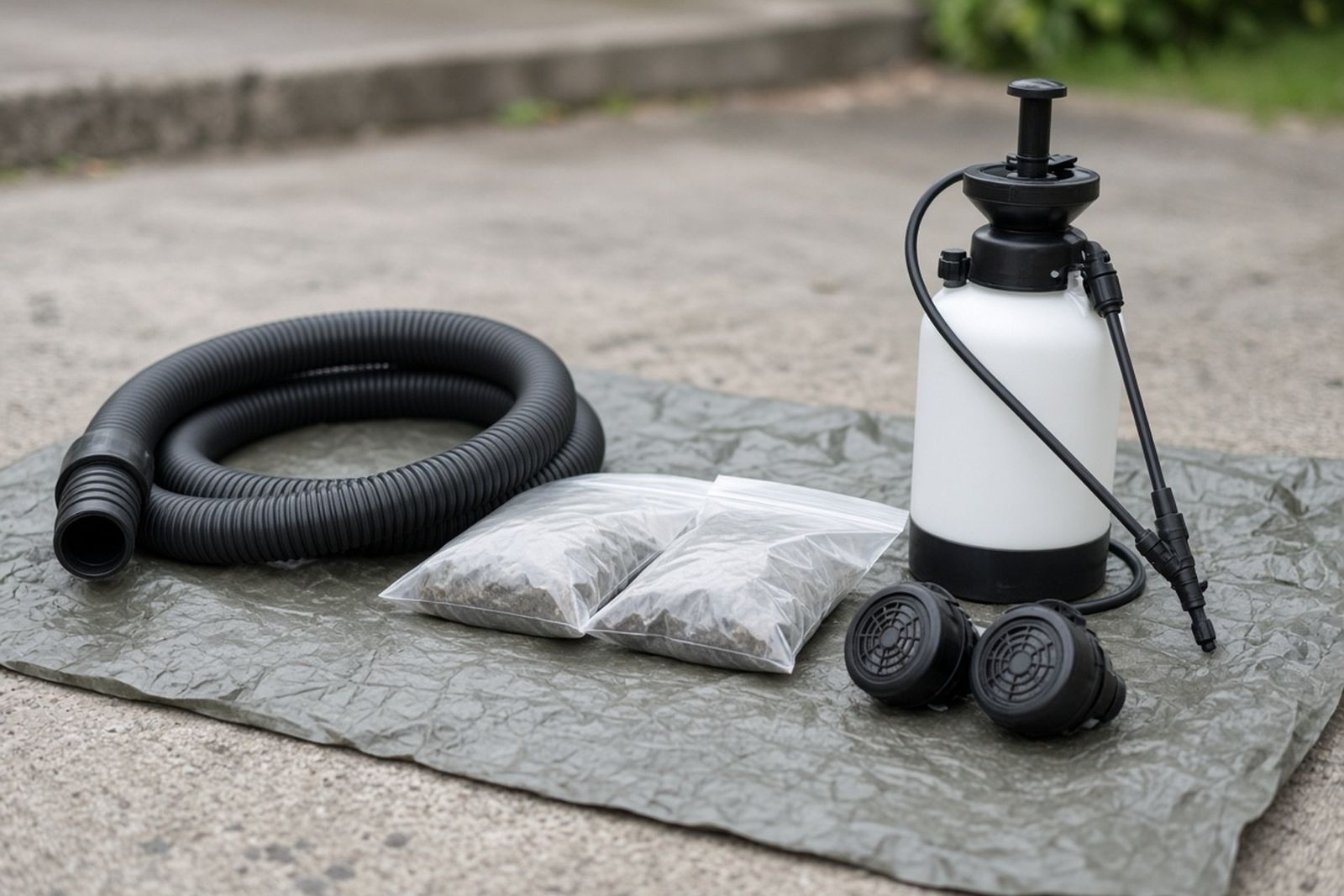
10 Questions to Ask Before Hiring a Rodent & Pest Droppings Remediation Company
Choosing a crew for attic droppings or nest cleanup? Ask these ten questions about wet cleaning, exclusion, insulation removal, warranties, and follow-up.
Before hiring a rodent droppings remediation company, ask how it inspects, whether it handles trapping and exclusion or only cleanup, what cleaning method it uses on droppings, how it decides on insulation removal, what protective equipment crews wear, which disinfectants it applies, how it contains dust, what warranty it offers, what documentation you receive, and how it prices the work. The answers reveal whether the company treats the whole problem.
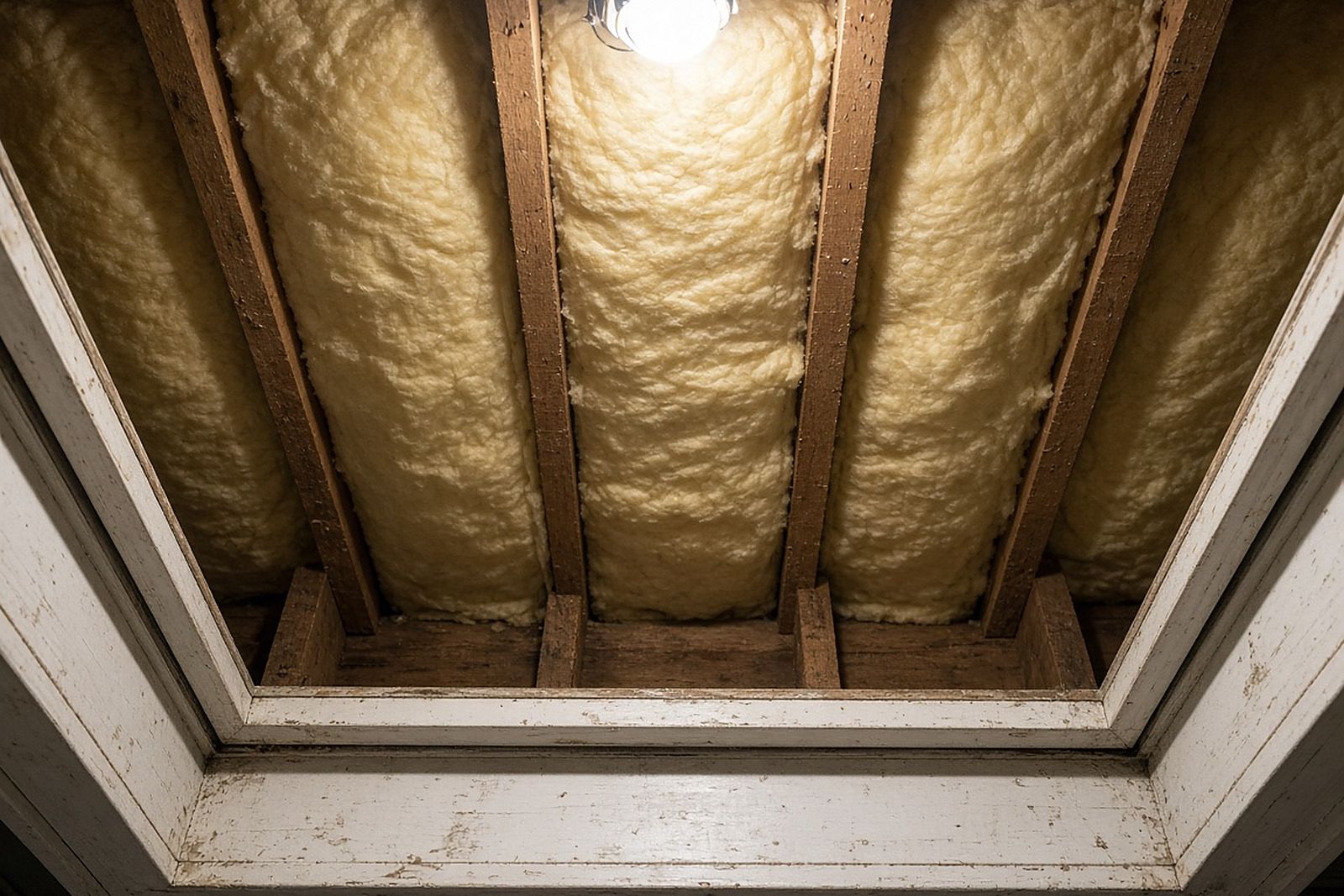
Red Flags When Hiring Rodent & Pest Droppings Remediation Services
Dry sweeping, no respirators, and promises of a virus-free attic are warning signs. How to spot a rodent droppings cleanup company that cuts corners.
Red flags in rodent droppings remediation include crews that vacuum or sweep droppings dry, skip wetting with disinfectant, lack respirators for heavy contamination, quote without inspecting, push full insulation replacement without explanation, promise a guaranteed pathogen-free result, or ignore entry points. A qualified company explains its wetting, removal, disinfection, disposal, and exclusion steps in writing before starting.
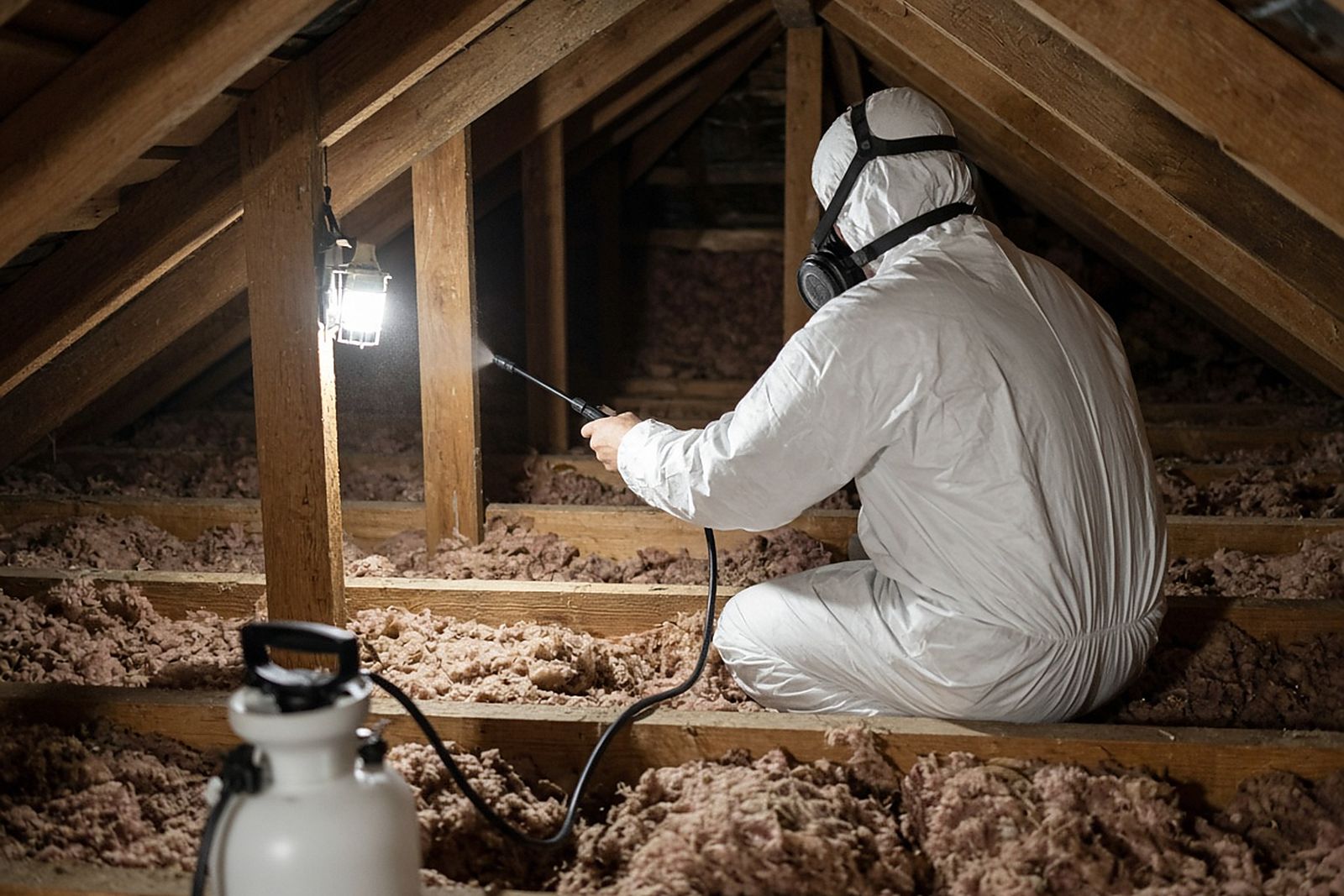
Training, Documentation, and Credentials for Rodent & Pest Droppings Remediation
What training, licenses, and records should a rodent droppings cleanup crew have? Respirator programs, pest licensing, disinfectant labels, and job reports.
No single national certificate covers rodent droppings cleanup. What matters is respirator training and fit testing, hazard and disinfectant training, state pest control licensing when the company also traps, baits, or seals, proof of insurance, and a written job record showing areas treated, products used, material removed, and entry points addressed. Verify local licensing requirements with your state agency.
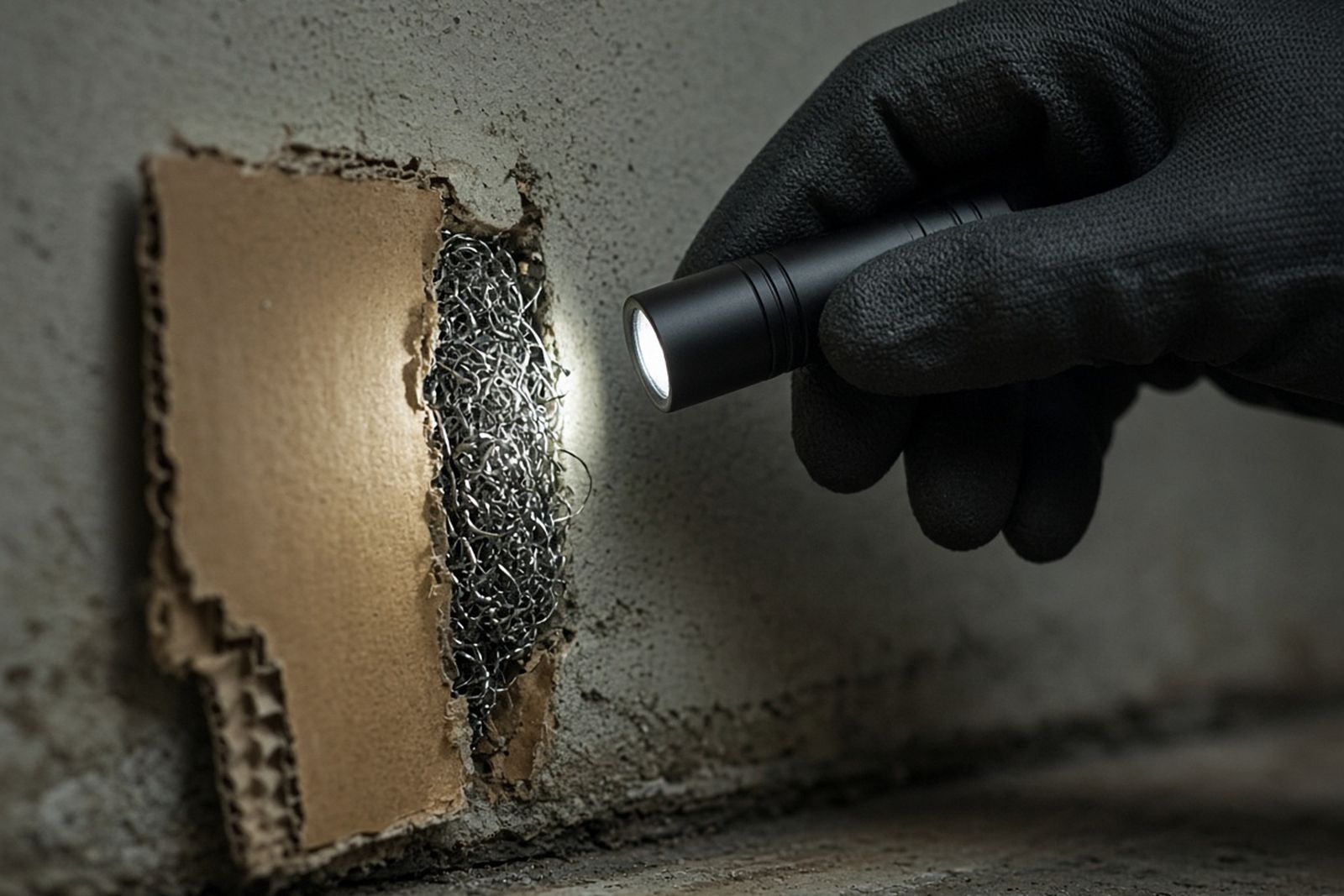
How to Compare Local and National Rodent & Pest Droppings Remediation Providers
Local crews know regional rodents and building styles; national brands offer scale and standard reports. Compare rodent droppings cleanup providers fairly.
When comparing local and national rodent droppings remediation providers, focus on who does the work, whether they handle both exclusion and cleanup or coordinate with a pest control operator, how they protect workers, what they remove versus clean, how they follow up and what records you receive. Local firms often know regional rodents and building types; national brands may offer consistency across many properties.
Sourced figures on choosing a company
- $13.416 billion
U.S. structural pest control companies generated $13.416 billion in service revenue in 2025, up 6 percent from $12.654 billion in 2024, according to NPMA's industry survey.
Read with care: Covers all structural pest control, not rodent cleanup specifically, and relies on a trade-association survey.
Source: National Pest Management Association (2026)United States structural pest control service revenue, calendar 2025, survey of 800 company leaders
- 30 minutes
CDC advises opening doors and windows and leaving the area for 30 minutes to ventilate a home or outbuilding before cleaning up rodent droppings.
Read with care: Guidance is for typical households; heavy infestations and disease-confirmed sites call for additional precautions.
Source: CDC (2024)United States public-health guidance for homes, garages, and outbuildings
- $0 to employees
Since February 13, 2008, OSHA has required employers to provide required personal protective equipment at no cost to employees.
Read with care: Exceptions exist for non-specialty footwear, prescription eyewear and lost or deliberately damaged PPE.
Source: OSHA (2008)US general industry employers
These figures are public research and agency data, not this network's own job records. Keep each number with its population, year and limits; none of them predicts cost, timing or outcome at a specific property.
What research has found
Findings from published studies of people and properties in situations like this one. They describe what researchers observed in a specific group; they are not predictions for your case.
Outdoor pets or other animals were associated with higher rodent prevalence.
Reported rodent problems were associated with greater odds of elevated allergen levels.
Choosing a Company: common questions
Should I hire my pest control company for the droppings cleanup too?
Some pest control companies offer full cleanup with the right gear and training. Others mainly trap and seal. Ask how they wet and remove droppings. Ask what breathing protection their crew wears and how they keep dust out of the house. If the answers are vague, hire a cleanup company and have the two work together.
What is a red flag in a droppings remediation quote?
Be careful with any quote that plans to cover old droppings with new insulation. Watch out for plans that rely on fogging or deodorizing without removal. Other warning signs are a quote that skips gap sealing entirely, or one that never says how the waste leaves the property. If a company cannot explain how it keeps attic dust out of your living space, question it closely.
How can I check a provider's work on a past attic job?
Ask for photos from a finished attic job, with any identifying details removed. They should show the space before removal, after cleaning, and after new insulation. Ask whether a past client, like a property manager, would talk with you. Photos that are consistent and well labeled are a good sign. They show how the company will record your own attic.
How do I check references for a rodent remediation company?
Ask for references from jobs like yours, such as attics or crawlspaces where insulation was removed. When you call, ask what the crew did and whether they followed the written plan. Ask how they protected the living space and whether rodents came back. Ask if they would hire the company again. Be extra careful with a company that cannot give any references for similar work.
Is a longer warranty always better?
Not always. A long warranty is only useful if the terms are clear and the company is likely to be around to honor it. Read what the warranty covers, such as the specific gaps that were sealed. Read what it leaves out, like new damage or gaps that were not fixed. A shorter warranty with clear terms and a follow-up visit may be worth more than a long one with vague wording.
What should I do if I cannot find any local specialists?
Look for general restoration companies, pest control firms that also do cleanup, or companies in nearby areas willing to travel. Ask each one how it handles droppings safely, including wetting, breathing protection, and disposal. You can also pair a local pest control company for gap sealing with a regional cleanup company. Public health resources can help you judge whether their methods follow current advice.
Should I choose a company based on how quickly it can start?
Speed matters in some cases, such as a kitchen or a child's room. But it should not outweigh method and scope. A company that can start tomorrow but will not explain its process is a risk. If you need quick action, close off the area and follow safe steps while you check out companies. A short wait for a careful company is often better than a rushed job.
Related community polls
Every count is a real visitor vote; nothing is seeded or padded. One vote per poll per device, and you can change your answer.
If you found droppings across your attic insulation, what would you most likely do?
How well do you understand the hantavirus risk from rodent droppings?
More on rodent & pest droppings remediation
Rodent & Pest Droppings Remediation services
See how wet cleanup, attic and crawlspace work, bat droppings, sealing gaps, and insulation choices fit together after rodents move in.
Costs explained
What drives the price, published cost ranges, and how to read a written quote line by line.
Insurance and payment
Which policies may respond, how to document a claim, and what to do if coverage is denied.
Planning tools
Use the risk check, planner, cost estimator, vetting questions, claim organizer, and waste guide built for droppings in attics and crawlspaces.
Community polls
See how other homeowners and landlords handle attic droppings, new insulation, and the choice between cleaning up themselves or hiring help.
Knowledge quiz
Check whether you know why dry sweeping is dangerous, when insulation must go, and why sealing the gaps comes first.