Rodent & Pest Droppings Remediation: Regulations
How to identify the worker-safety, waste, transport, environmental, and local rules that may apply to rodent & pest droppings remediation. Confirm jurisdiction-specific requirements with the issuing authority.
The rules category covers the rules for droppings cleanup. These rules are more scattered than many people think. Articles explain how federal workplace safety rules on breathing protection, and the general duty to keep workers safe, apply to crews in attics and crawlspaces. They explain how state pest control licenses affect who may bait and trap for pay. They also explain why insulation soiled by rodents is, in many places, handled as regular trash and not regulated medical waste. Other posts cover wildlife protections for keeping bats out, and how to look up disposal rules for your county. Articles also explain how building codes can affect new insulation and attic airflow once the cleanup is done.
Get an email reply about rodent & pest droppings remediation
Send a short message to the follow-up inbox. A coordinator can reply by email. This form does not send emergency help; call 911 first if anyone is in danger.
Knowing the rules helps you sort good advice from sales talk. A company may claim a special license is needed when none exists. Or it may skip a pest control license your state really does require. Disposal and license rules differ between states and counties. So these posts focus on which office to call and what to ask. That keeps you from relying on guesses that do not fit where your property actually is. The posts also show how to keep notes on your own calls. Write down the office name, the person you reached, and what they said. Then you have something solid to show a company or a landlord later. A short record like that can settle a disagreement fast.
OSHA Regulations and Rodent & Pest Droppings Remediation
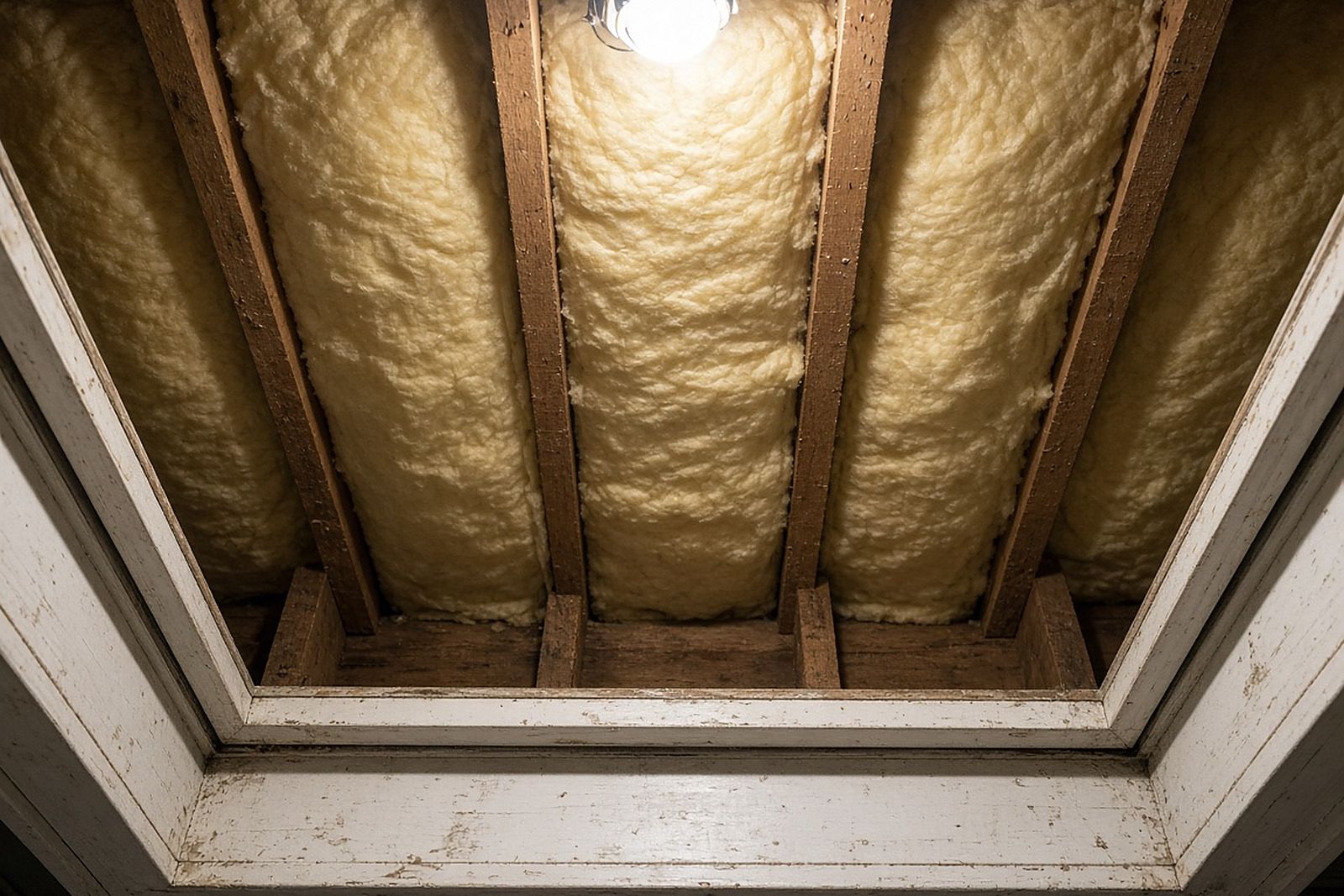
No OSHA rule is written just for mouse droppings, yet respirator, PPE, and chemical rules still shape how a crew cleans an attic or crawlspace safely.
OSHA has no standard written specifically for rodent droppings, but several general rules apply to the workers who clean them. Employers must assess hazards and supply suitable PPE, run a full respiratory protection program when respirators are required, train workers on the disinfectants they use, and address serious recognized hazards such as hantavirus. These duties protect workers; they do not certify your home.
Which Federal, State, and Local Rules Apply to Rodent & Pest Droppings Remediation?
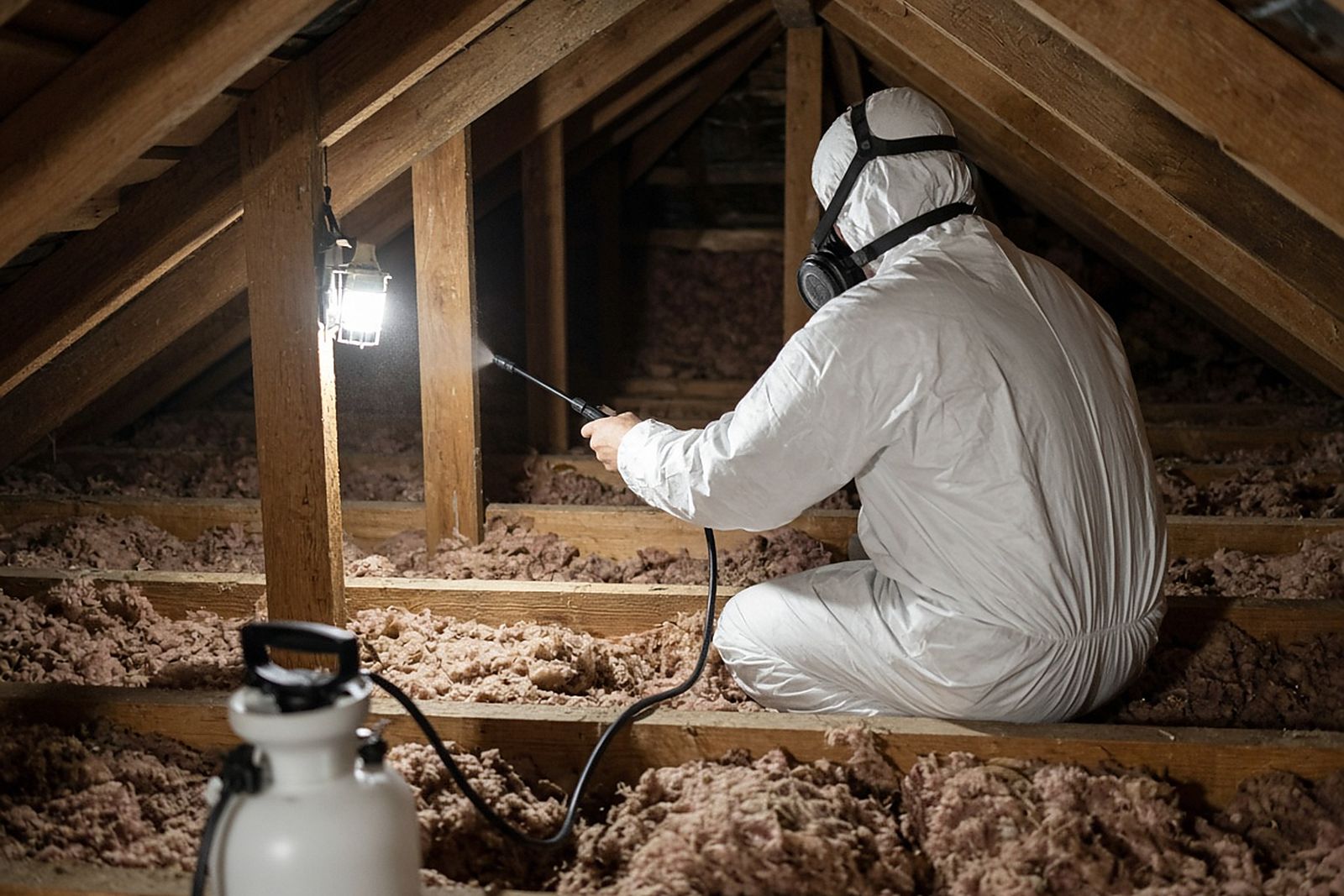
Rodent cleanup touches pesticide labels, applicator licensing, landlord duties, and local health codes. Learn which layer applies to your droppings problem.
Rodent droppings remediation is shaped by several layers of rules. Federal law governs pesticide and disinfectant labels, OSHA protects workers, and states license pesticide applicators and set landlord habitability duties. Cities and counties add housing codes, health inspections, and waste rules for debris and dead animals. Identify who owns or rents the property and what work is planned, then check each layer locally.
How to Research Waste Rules for Rodent & Pest Droppings Remediation
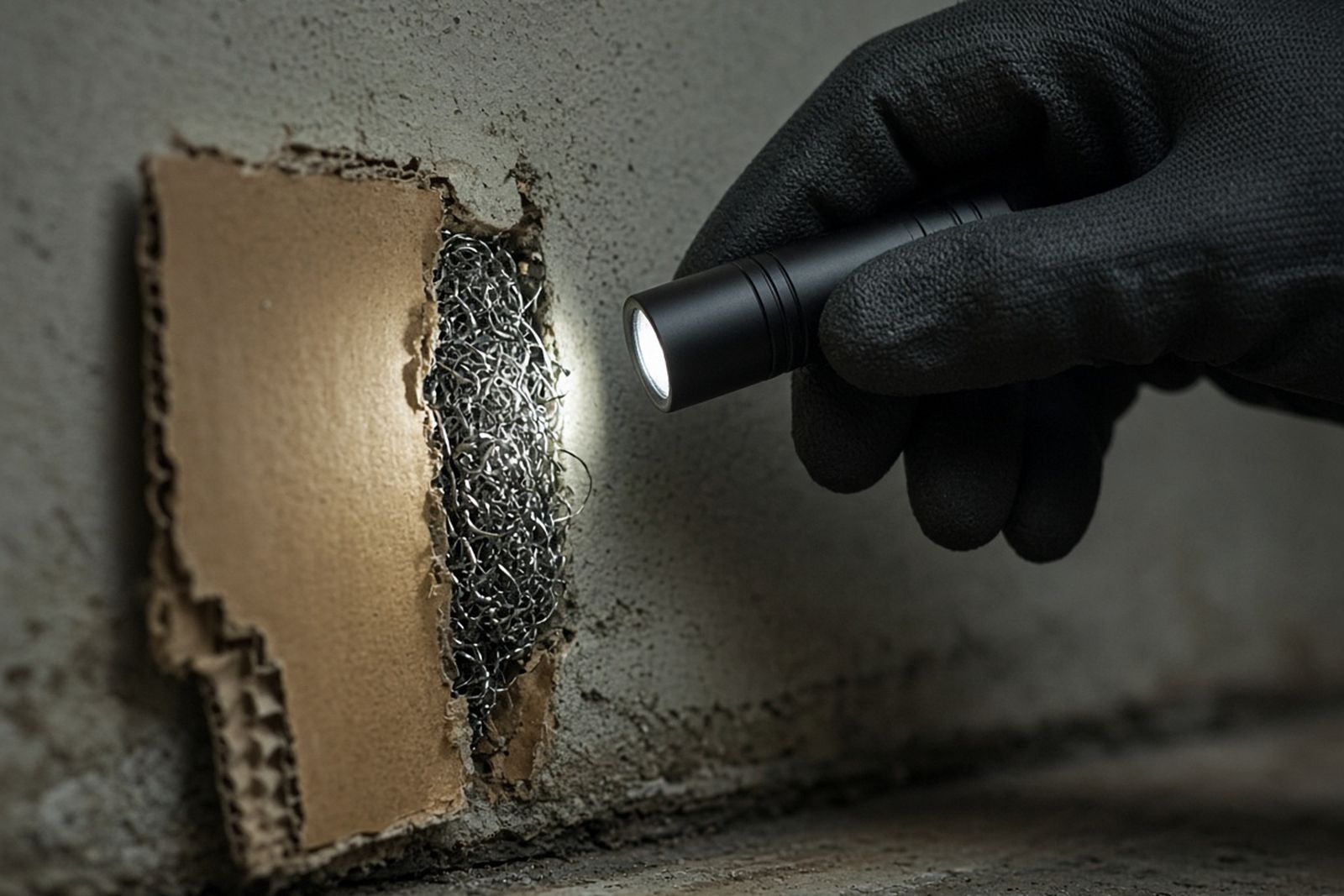
Where do soaked insulation, nests, and dead mice go after cleanup? Learn how to research local waste rules for rodent debris and what to check with your hauler.
To research waste rules for rodent droppings remediation, sort the debris into streams: disinfected droppings and nests, contaminated insulation and building materials, dead animals, and leftover chemicals. Rodent debris from homes is usually handled as household or construction waste once disinfected and double-bagged, but local rules, hauler policies, and pesticide label disposal directions all apply. Check your city or county before you fill a dumpster.
Sourced figures on regulations
- $13.416 billion
U.S. structural pest control companies generated $13.416 billion in service revenue in 2025, up 6 percent from $12.654 billion in 2024, according to NPMA's industry survey.
Read with care: Covers all structural pest control, not rodent cleanup specifically, and relies on a trade-association survey.
Source: National Pest Management Association (2026)United States structural pest control service revenue, calendar 2025, survey of 800 company leaders
- 30 minutes
CDC advises opening doors and windows and leaving the area for 30 minutes to ventilate a home or outbuilding before cleaning up rodent droppings.
Read with care: Guidance is for typical households; heavy infestations and disease-confirmed sites call for additional precautions.
Source: CDC (2024)United States public-health guidance for homes, garages, and outbuildings
- $0 to employees
Since February 13, 2008, OSHA has required employers to provide required personal protective equipment at no cost to employees.
Read with care: Exceptions exist for non-specialty footwear, prescription eyewear and lost or deliberately damaged PPE.
Source: OSHA (2008)US general industry employers
These figures are public research and agency data, not this network's own job records. Keep each number with its population, year and limits; none of them predicts cost, timing or outcome at a specific property.
What research has found
Findings from published studies of people and properties in situations like this one. They describe what researchers observed in a specific group; they are not predictions for your case.
Reported rodent problems were associated with greater odds of elevated allergen levels.
Mice were less prevalent in summer; most other seasonal patterns were absent.
Regulations: common questions
Is rodent-contaminated insulation considered hazardous waste?
In many places, it is handled as regular trash once it is bagged and sealed. But local practice varies, and some landfills set their own terms. Call your local trash office or the site your hauler uses, and describe the material. Ask your cleanup company where it takes this kind of waste. Also ask whether that site has accepted it before.
Does a droppings cleanup company need a pest control license?
Cleaning and disinfecting may not need one. But setting bait, using pesticides, or trapping animals for pay often falls under a state pest control license. Rules vary by state. Ask the company which tasks it does itself. Then confirm any license with the state agency that oversees pest control workers. That quick check can save you trouble later.
What OSHA rules apply to the workers cleaning my attic?
Employers must protect workers from known dangers. When masks are needed, OSHA, the federal workplace safety agency, expects a breathing protection program. That program includes fit testing and training. Heat in attics and tight crawlspaces can raise more concerns. You do not enforce these rules. But asking about them tells you whether a company takes worker safety seriously.
Do I need a permit to remove and replace attic insulation?
It depends on where you live. Some areas require permits for insulation work, especially if it involves electrical or structural changes. Others do not for a simple replacement. Check with your local building department before you start a large project. Your insulation company may know the local rules and can pull any permit needed. Asking early prevents delays when the cleanup is done.
Can my landlord charge me for rodent cleanup?
It depends on your lease, local housing rules, and how the rodent problem started. In many places, landlords must keep units free of pests that make a home unfit to live in. But leases and local laws differ. If your landlord asks you to pay, ask for the reason in writing. Check with a local tenant help group. Records of when you reported the problem help in any dispute.
Are there rules about using rodent poison in rental properties?
Pesticide labels carry legal instructions for use. Some places add rules about giving notice or where bait may go, especially around children. Licensed pest control companies are usually expected to follow these rules. If you manage rentals, work with a licensed company and keep records of any bait used. Tenants who are worried about poison can ask the landlord which products were used.
Who do I contact if I think a remediation company broke the rules?
It depends on the concern. For pest control practices, the state agency that licenses pest control companies may take complaints. For worker safety, workers can contact the right workplace safety agency. For business practices or contract disputes, a consumer protection office may help. Gather your contract, photos, and messages before you file. Describe the issue clearly and stick to the facts.
Related community polls
Every count is a real visitor vote; nothing is seeded or padded. One vote per poll per device, and you can change your answer.
If you found droppings across your attic insulation, what would you most likely do?
How well do you understand the hantavirus risk from rodent droppings?
More on rodent & pest droppings remediation
Rodent & Pest Droppings Remediation services
See how wet cleanup, attic and crawlspace work, bat droppings, sealing gaps, and insulation choices fit together after rodents move in.
Costs explained
What drives the price, published cost ranges, and how to read a written quote line by line.
Insurance and payment
Which policies may respond, how to document a claim, and what to do if coverage is denied.
Planning tools
Use the risk check, planner, cost estimator, vetting questions, claim organizer, and waste guide built for droppings in attics and crawlspaces.
Community polls
See how other homeowners and landlords handle attic droppings, new insulation, and the choice between cleaning up themselves or hiring help.
Knowledge quiz
Check whether you know why dry sweeping is dangerous, when insulation must go, and why sealing the gaps comes first.