Short answer
Red flags in rodent droppings remediation include crews that vacuum or sweep droppings dry, skip wetting with disinfectant, lack respirators for heavy contamination, quote without inspecting, push full insulation replacement without explanation, promise a guaranteed pathogen-free result, or ignore entry points. A qualified company explains its wetting, removal, disinfection, disposal, and exclusion steps in writing before starting.
Method matters more than price
Rodent droppings look like a nuisance, and many companies treat them that way. The concern is not the droppings themselves so much as what happens when they are disturbed. Dried urine, feces, and nesting material can break into fine particles that float into the air you breathe, and some rodents carry viruses such as hantavirus that spread that way.
That makes technique the heart of the job. Two companies can charge similar prices and leave your attic looking equally clean, yet one may have stirred contaminated dust through your ductwork while the other kept it contained. You rarely see the difference at the end. You have to ask about it at the beginning.
The warning signs below come up most often when homeowners, landlords, and small business owners compare quotes. One red flag is a reason to dig deeper. Several together are a reason to keep looking.
Keep in mind that the people most affected by a careless job are often the ones who never met the crew: a child who sleeps in the room below the attic, an older relative with lung disease, or a tenant who was never told work was happening overhead.
What cleanup techniques should make you hang up?
The single clearest warning is a plan to sweep or vacuum droppings without wetting them first. Dry sweeping and vacuuming lift fine, possibly infectious particles into the air, which is the exact exposure professional methods exist to prevent.
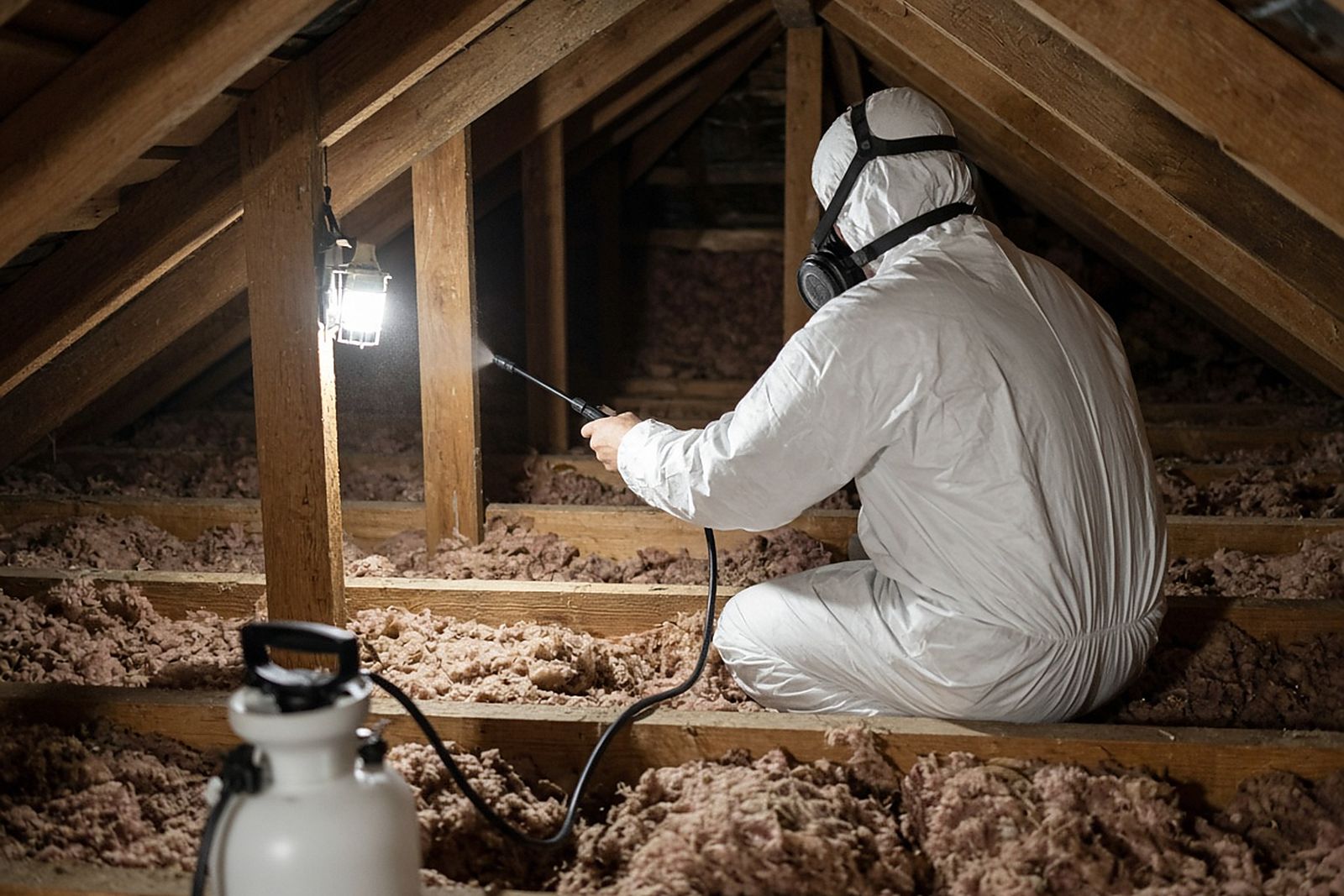
Professional methods are built around keeping material damp and contained. Droppings and urine are soaked with a registered disinfectant or a properly diluted bleach solution and left for the full contact time before removal. A crew that skips the soak to save time is putting itself, and possibly your household, at risk.
Some specialty contractors use HEPA-filtered vacuums as part of a larger process after material has been wetted and the area contained. That is different from running a shop vac across a dusty attic floor. Ask exactly when and how any vacuum is used.
- Dry sweeping, blowing, or shop-vac use on droppings and nests.
- No plan to wet material with disinfectant before removal.
- No mention of containment between the work area and living space.
- Crews planning to run the home's HVAC system during work.
- Contaminated insulation carried through the house in open bags.
What their protective equipment tells you
Look at how the company plans to protect its own workers. It is one of the best indicators of how seriously it treats the hazard in your home.
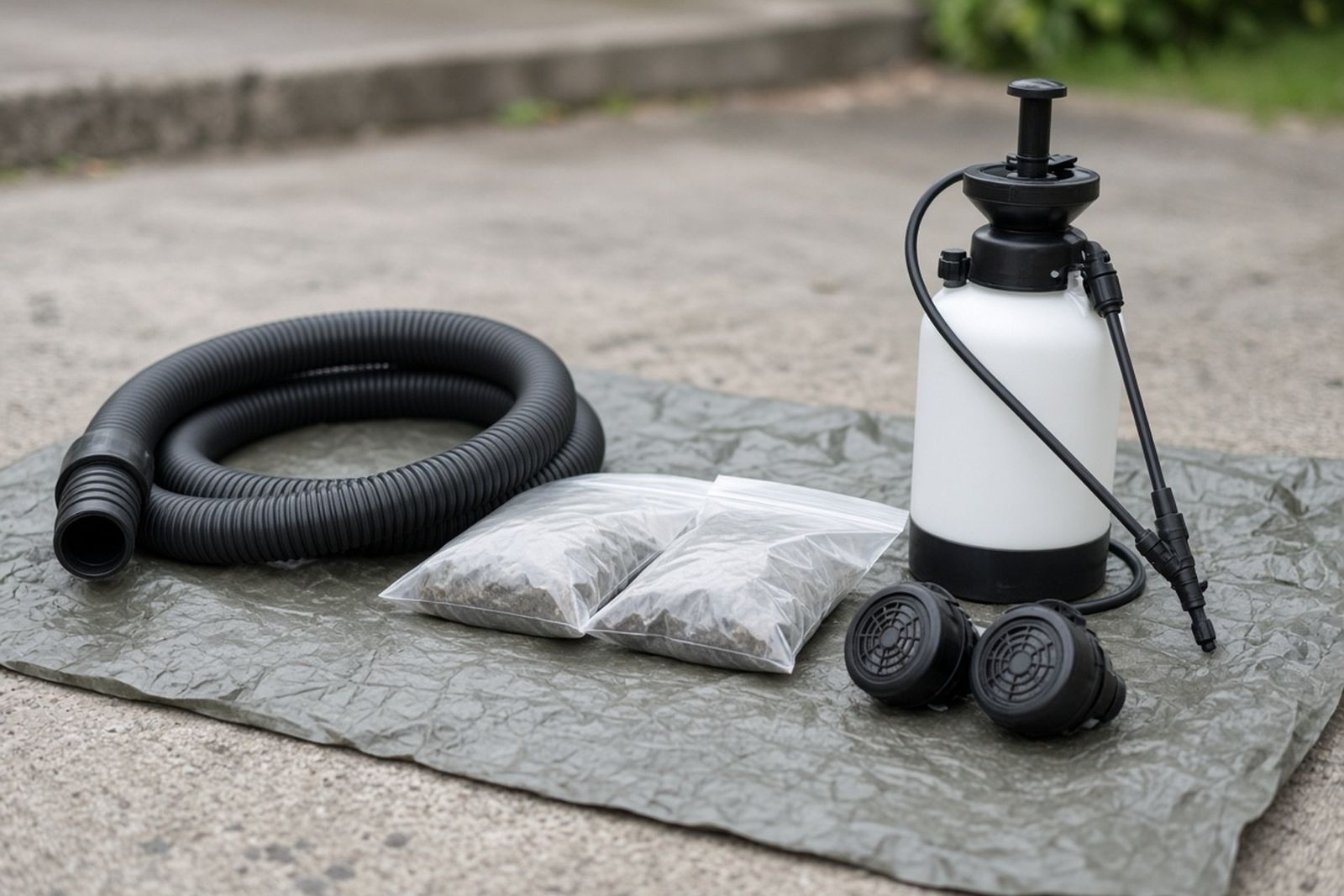
For heavy infestations, expect a fit-tested air-purifying respirator with HEPA filters, plus coveralls, rubber boots, goggles, and gloves. A crew that plans to work in a heavily soiled attic or crawlspace wearing dust masks and street clothes either does not understand the risk or is choosing to ignore it.
Ask whether workers who wear respirators have been fit tested and medically cleared. Employers that require respirators generally need a respiratory protection program, and a company with one can describe it quickly. Hesitation here suggests the gear may be for show.
Also ask where workers remove their protective clothing. A careful crew takes off coveralls and gloves at the edge of the work area, bags them, and does not track dust through your hallways.
Quotes without inspections, and unexplained insulation removal
Rodent contamination varies enormously. A few droppings in a kitchen drawer is a very different job from a crawlspace with years of nesting, soaked insulation, and dead animals. A fair estimate depends on seeing the space, or at least on detailed photos and measurements.
Be cautious of a firm price quoted over the phone for an attic you have not described. Equally concerning is a company that inspects but will not put its findings in writing. You want a scope of work that lists the areas included, what material will be removed, which disinfectant will be used, how waste will leave the property, and whether exclusion work is part of the price.
A written scope protects you in two ways. It lets you compare quotes fairly, and it gives you something to point to if the finished job does not match what was promised.
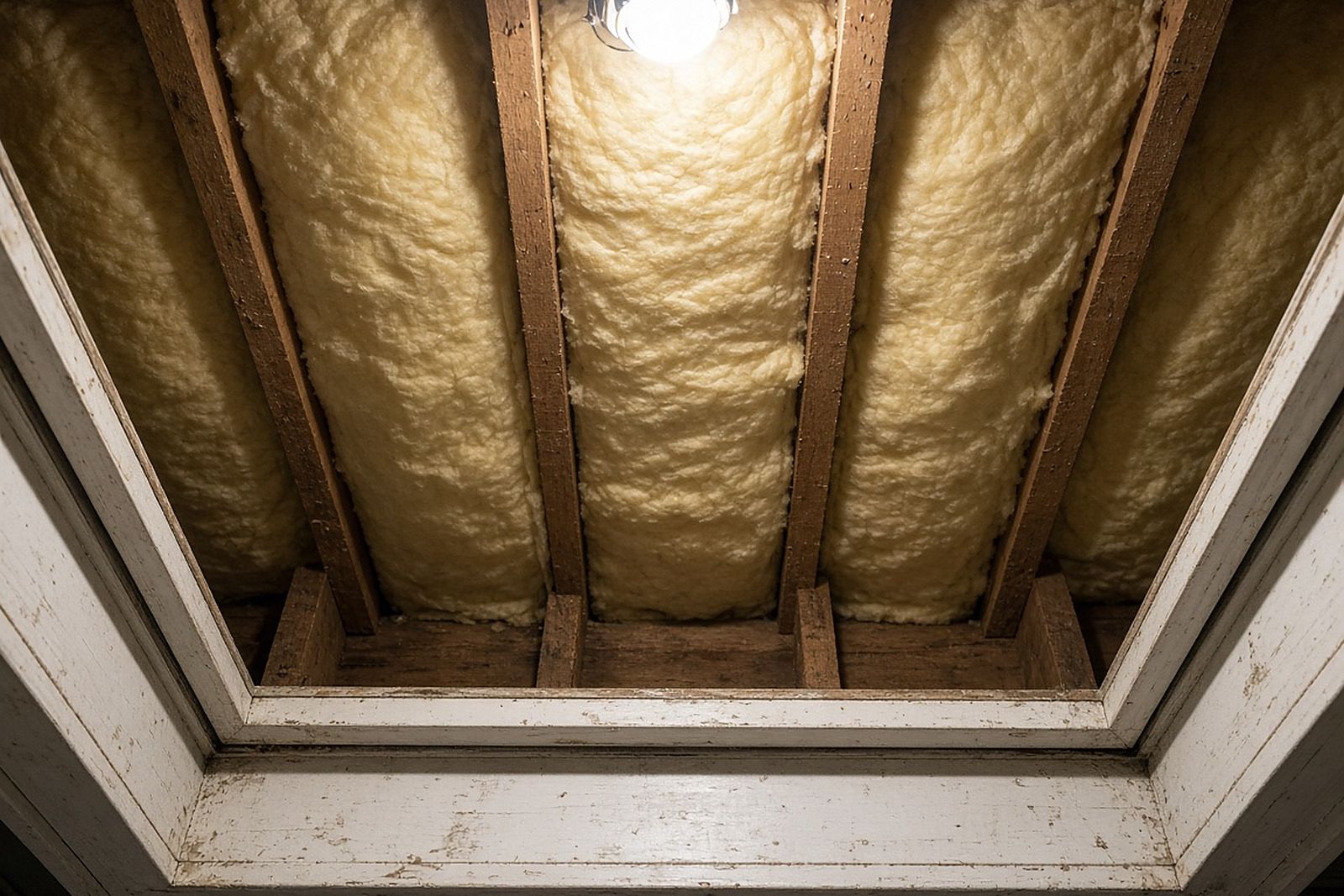
Insulation removal is sometimes necessary. Heavily soiled insulation holding urine, droppings, and nesting material is difficult to clean in place, and replacing it may be the right call. But it is also one of the more expensive parts of a rodent job, which makes it an area to watch.
A trustworthy provider shows you why removal is needed, with photos of the affected areas, and explains whether all of the insulation or only certain sections must go. Some attics have localized damage near entry points, while others are contaminated throughout.
Be wary if a company insists on replacing everything without showing you evidence, or if it will not separate the cleanup cost from the reinsulation cost. Getting a second opinion before a large removal is reasonable, and a confident provider will not object.
Ask, too, what the company plans to do with the framing and decking once insulation is out. Exposed joists and sheathing often carry urine staining and droppings of their own, and they should be cleaned and disinfected before any new insulation goes in. Installing fresh material over a soiled surface can trap odor and residue for years.
Which sales claims about rodent cleanup are too good to be true?
Marketing in this field can drift into claims no one can honestly make. Nobody can guarantee that a home is free of every pathogen after cleanup, and no single visit can promise that rodents will never return.
Watch for fogging presented as a complete solution. Fogging a space with disinfectant does not remove droppings, nests, or contaminated insulation, and it does not replace the wet-wipe and removal steps that do the real work. Ozone machines marketed as disinfection for rodent contamination deserve similar skepticism.
Also question vague references to certification. Ask who issued it, what it covered, and whether it has anything to do with rodent cleanup specifically. If the company will also set bait or apply pesticides, ask for its state pest control license number and check it with the issuing agency.
- Guarantees that your home is pathogen-free or hantavirus-free.
- Fogging or ozone offered as a substitute for physical removal.
- Claims of certifications nobody can name or verify.
- Pressure to sign today to lock in a price.
- Refusal to provide proof of insurance.
Entry points and a quick vetting call
Cleaning up droppings without addressing entry points is like mopping a floor under a leaking pipe. The mess returns, and you pay again. A thorough provider either handles exclusion itself or coordinates with a licensed pest control company that does.
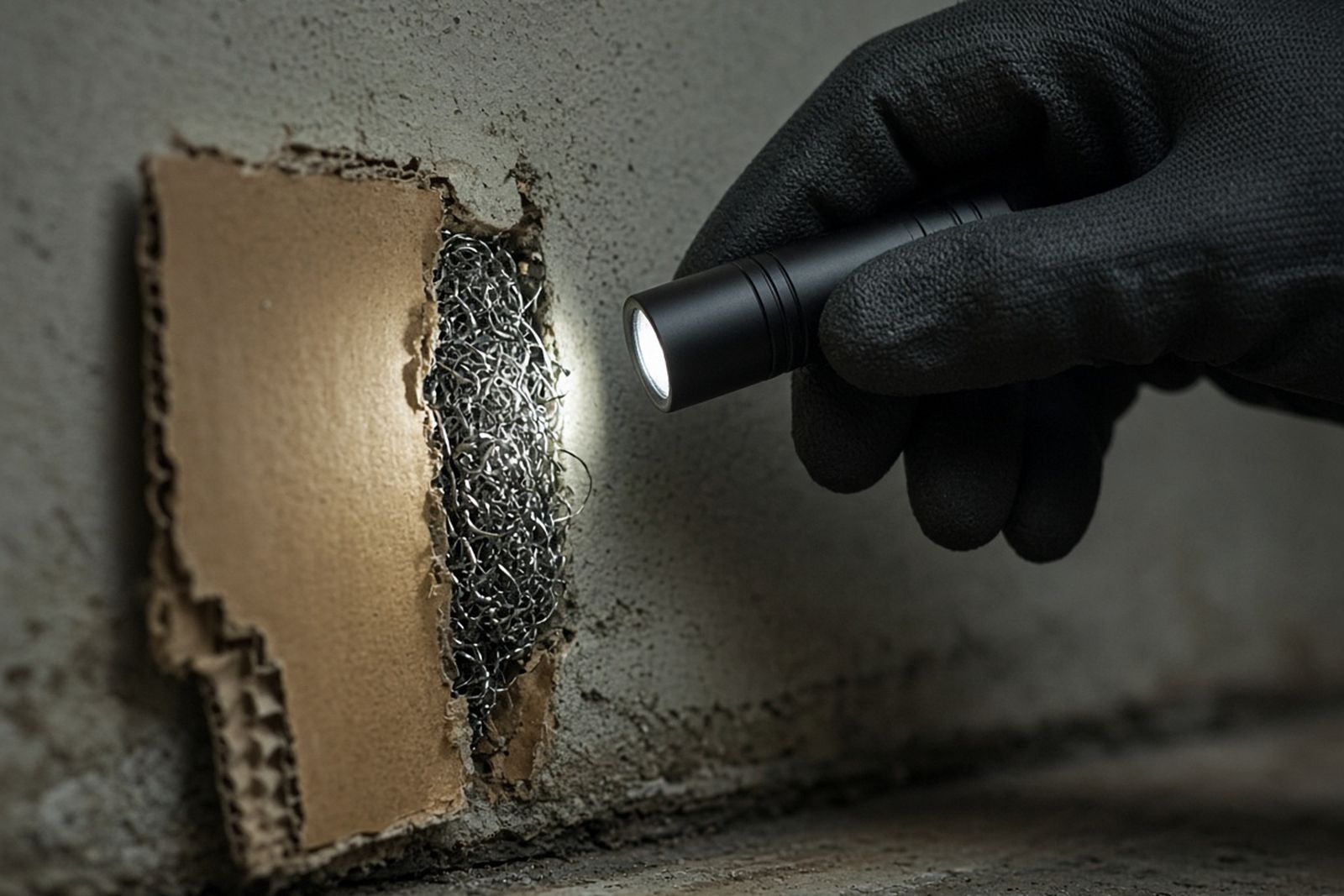
Exclusion means finding and sealing gaps around vents, pipes, rooflines, foundations, and garage doors, and making sure active rodents are removed before openings are closed. Order matters. Cleaning before the infestation is controlled wastes money, and sealing openings before removing rodents can trap animals inside walls.
A sound plan reads as a sequence, and you should be able to see it in the written quote: confirm that pest control has stopped the activity, seal the gaps, wet and remove droppings and nests, bag and remove the most soiled insulation, disinfect framing and surfaces, and document the work. A phone quote for a single afternoon with a shop vacuum and dust masks, with no word about entry points, stacks several red flags at once.
If a company never asks whether rodents are still active, never mentions entry points, and plans to clean and leave, it is offering half a solution.
You do not need to become a rodent expert to hire well. A handful of direct questions will separate most qualified providers from the rest. Ask them by phone and ask for the answers in writing with the estimate.
How will you keep droppings from becoming airborne? What will your crew wear? Will you contain the work area from the rest of the house? What disinfectant will you use and how long will it sit? Where will the waste go? How are you handling entry points? What documentation will I receive when you finish?
A company that answers these calmly and specifically, and that asks you good questions in return about who lives in the home and where you have seen activity, is showing the kind of care the job requires.