Short answer
To evaluate technology in rodent droppings remediation, ask which step it improves: finding activity, controlling rodents, removing contaminated material, disinfecting, or verifying results. Inspection cameras, UV lights, remote-monitoring traps, filtered insulation vacuums and air scrubbers can all help when used correctly. Foggers and ozone generators deserve more skepticism, and no device replaces wet cleaning and sealed entry points.
What technology can and cannot change
The basic method for rodent cleanup has not changed much: ventilate, wet the droppings and nesting material with disinfectant, wait, remove the material without stirring up dust, clean, and seal the building. What has changed is the equipment available to help at each step.
Good tools can help crews find nests hidden in walls, confirm that rodents are gone before cleanup starts, remove large volumes of soiled insulation with less dust, and protect workers breathing in confined spaces. Poorly chosen tools can do the opposite, spreading contaminated dust or giving false comfort that a space is clean.
When a quote lists equipment you do not recognize, you do not need to become an expert. You just need to ask what each item is for and what it cannot do.
A useful rule of thumb is that equipment should reduce either the crew's exposure or the chance of missing contamination. If a line item does neither, it may still have value, but the provider should be able to say what that value is in one or two sentences.
Inspection tools for hidden droppings and nests
Much rodent contamination is out of sight: inside wall cavities, under cabinets, above ceilings and within insulation. Several tools help crews look without tearing things apart.
Each has limits. UV light makes many substances glow, not just rodent urine, so it points to places worth checking rather than proving contamination. Thermal cameras can be fooled by pipes and wiring. A borescope only sees where it is aimed. Treat all of them as ways to decide where to look, then confirm with direct inspection.
Simple tools still carry much of the load. A bright handheld light, a mirror on a telescoping handle and a technician willing to lie on the floor and look under the kitchen toe kick often find more than any gadget. If a provider leads with expensive scanning but skips opening the cabinet base, ask why.
- Borescopes and small inspection cameras, fed through an outlet box or a small hole, to see inside wall cavities and ceiling voids.
- Ultraviolet flashlights, which can make dried urine trails and some stains fluoresce, showing travel routes along baseboards and pipes.
- Thermal imaging cameras, which can show warm spots where a nest or active rodents may be inside a wall.
- Moisture meters, which help identify areas where urine or leaks have soaked into materials.
Can smart traps and remote monitoring confirm the rodents are gone?
Cleanup should begin only after rodent activity has stopped, so knowing when that point is reached matters. Remote-monitoring traps and bait stations can send an alert when they are triggered, letting a pest professional see activity without visiting every station.
That can be especially helpful in commercial buildings, rental portfolios and seasonal properties that sit empty for weeks. It also reduces the number of times someone has to enter a contaminated attic or crawlspace just to check traps.
Remote monitoring still has limits. A station records what happens at that station. Rodents that avoid it, or that are active in a part of the building without devices, will not show up. Ask how many devices will be placed, where, and how the operator decides that activity has truly ended.
Even low-tech tracking works. Some pest professionals place nontoxic monitoring blocks or a thin layer of tracking powder in suspect areas and check them for gnawing or footprints. Whatever the method, you want a clear, documented reason for saying the rodents are gone before the cleanup crew arrives.
Removing contaminated insulation
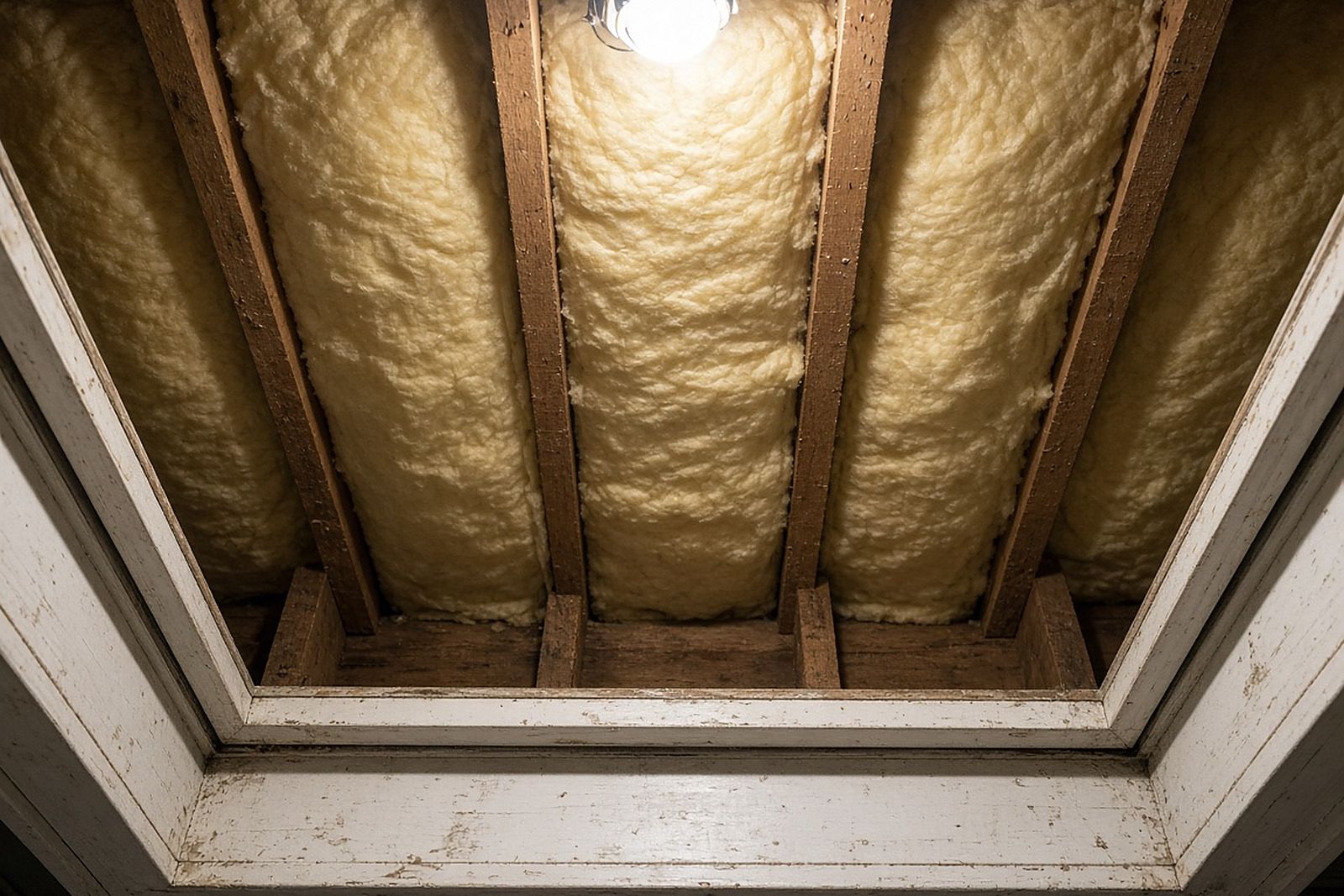
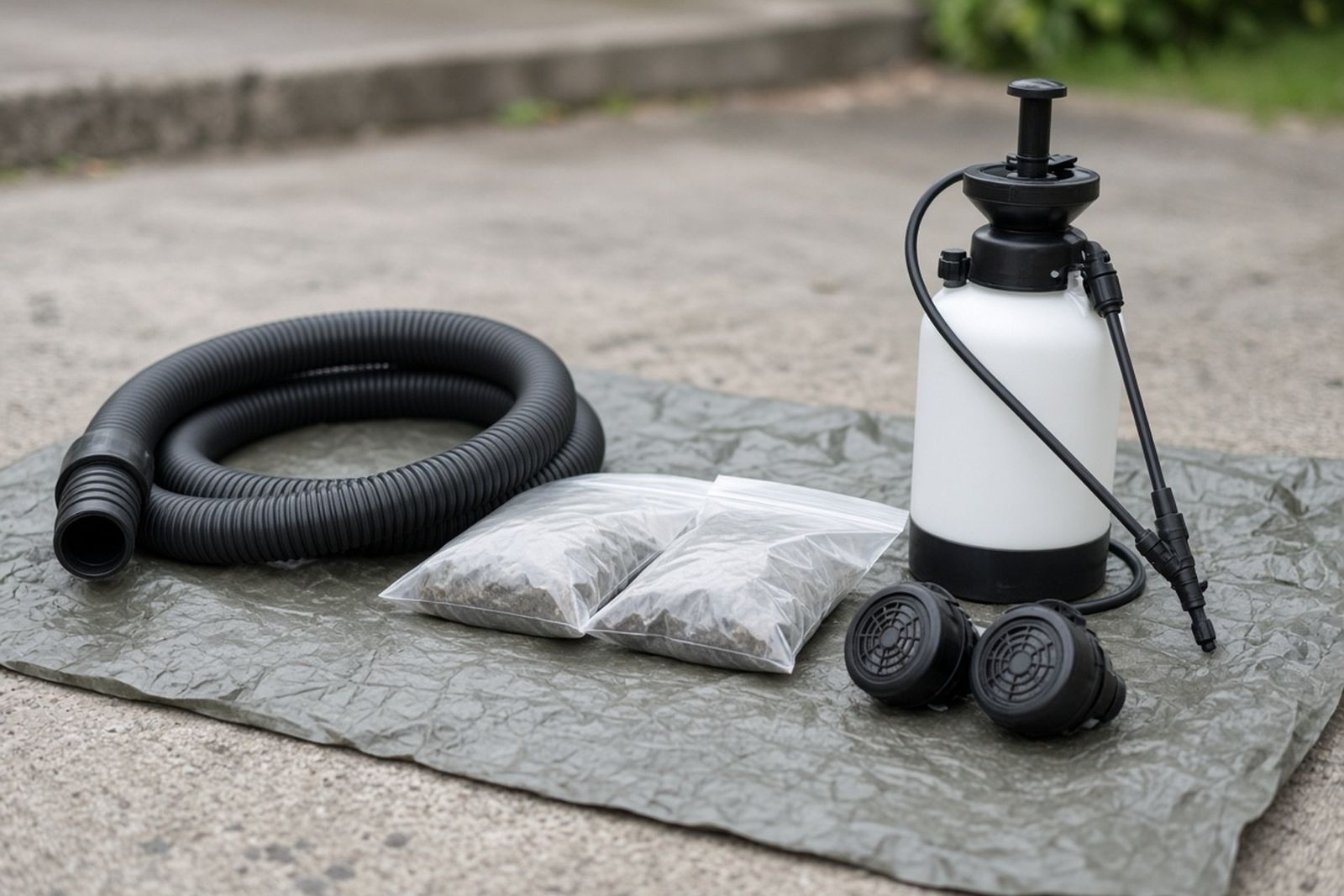
Attic insulation soaked with droppings and urine is often the largest single source of contamination in a home. Removing it by hand with rakes and bags can throw up a lot of dust. Crews often use large insulation removal vacuums that pull material through a hose into heavy bags outside the house.
The important questions are about filtration and wetting. Dry droppings and nests should never go up a vacuum hose, because the airflow turns them into airborne dust. Insulation removal equipment is used after droppings and nests have been wetted and removed, and the exhaust should be filtered or directed away from occupied areas and air intakes.
Ask whether the vacuum's collection bags are sealed and where the unit exhausts. A machine that blows fine dust into the yard beside an open window is not a safety upgrade.
Do air scrubbers and negative air machines add real protection?
Air scrubbers draw air through filters, often including a HEPA stage, to capture fine particles. When set up to exhaust outside a sealed work area, they create negative pressure, so air flows into the work zone rather than out into the rest of the house.
For large attic or crawlspace jobs, that can help keep dust from drifting into living spaces. It is most useful when paired with plastic sheeting that seals off the work area and covers ventilation returns.
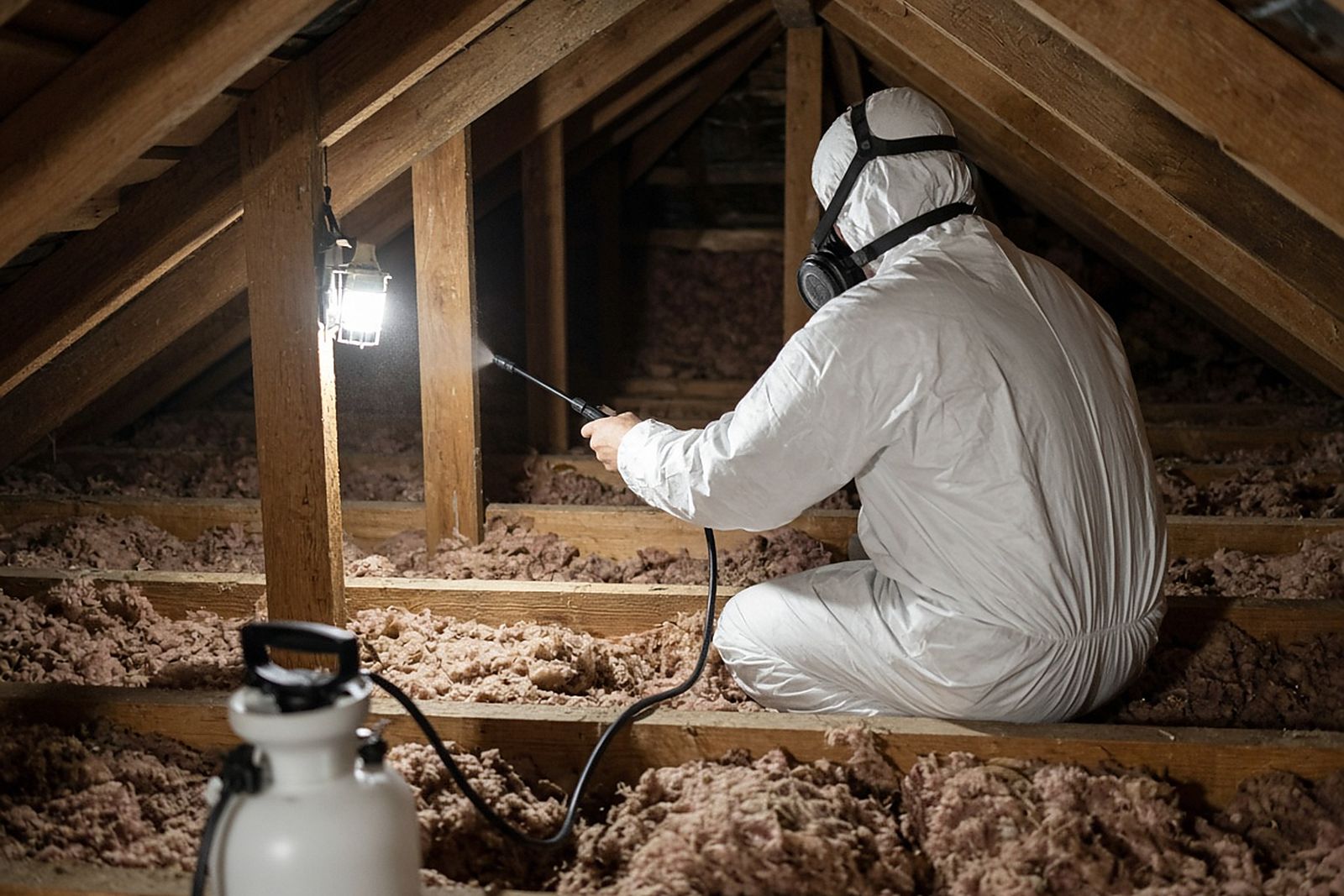
These machines do not replace wet methods or respiratory protection for the crew, who still need HEPA-filtered respirators, coveralls, boots, goggles and gloves on heavy jobs. An air scrubber lowers the dust in the room; the respirator protects the person working in it.
Are foggers, electrostatic sprayers and ozone generators worth it?
These tools come up often, and they deserve more careful questions than most.
Electrostatic sprayers apply a charged mist that wraps around surfaces. They can help distribute a registered disinfectant evenly over large hard surfaces, but only if the product label allows that application method. They do not replace soaking droppings, and they cannot reach inside wall cavities or clean surfaces covered in debris.
Foggers and misting systems spread disinfectant through the air. Droppings must be kept visibly wet for the product's contact time, and a thin mist may not achieve that. Fogging over dry droppings before they are wetted and removed can even stir up particles.
Ozone generators are marketed for odor. Ozone can irritate the lungs, and it is not a substitute for finding and removing a dead rodent or soaked insulation. If a provider proposes ozone, ask how they will keep people and pets out of the space and how the odor source will be removed first.
Exclusion materials that last
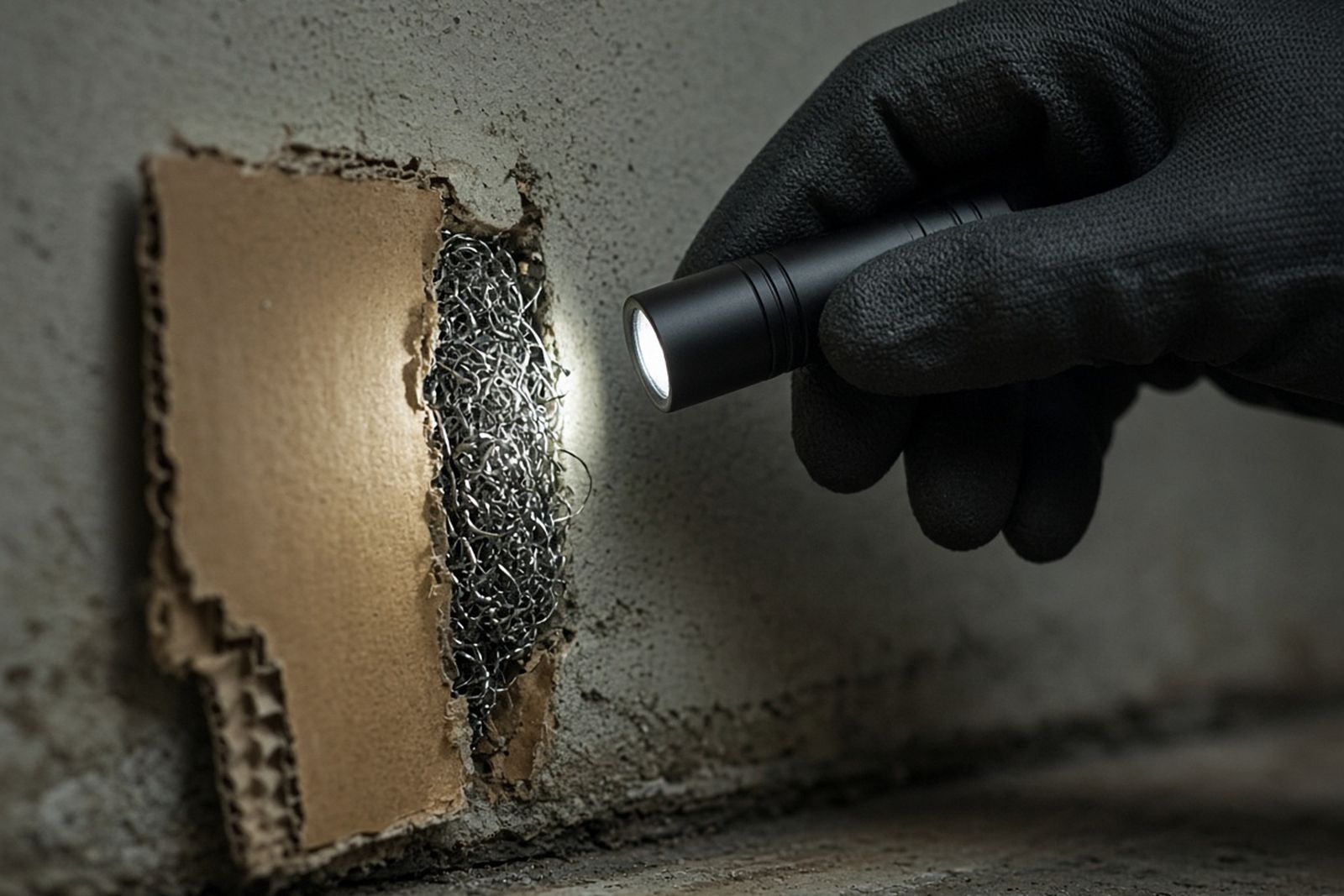
Exclusion materials have improved too. Hardware cloth, metal flashing, door sweeps with rodent-resistant bristles, copper or stainless mesh for stuffing gaps and specialized sealants all give longer-lasting results than foam alone, which rodents can chew through.
The technology here is simple but effective. What matters is that the person sealing the gaps understands rodent behavior, finds the right openings and uses materials suited to each location. Photos of each sealed point, before and after, are the best record you can get.
Some providers now use tablets or apps to photograph and pin each entry point on a floor plan. That is a genuinely useful record when a new pest control company takes over or when activity returns. Ask whether you will receive a copy, and in a format you can open without the provider's software.
Reading an equipment-heavy quote
Quotes sometimes stack up equipment: a thermal camera inspection, UV mapping, an insulation removal vacuum, air scrubbers, whole-attic fogging and an ozone treatment, all for a pair of kitchens with droppings and a smell in a shared attic. The way to read a list like that is item by item, asking what each one does on this particular job.
Inspection tools earn their place when they change where the crew works, for example by locating a nest above one kitchen and urine trails along a plumbing chase so the drywall is opened in the right spot. An insulation vacuum used after wetting speeds the job and cuts dust, and air scrubbers can keep occupied units under negative pressure during attic work.
Fogging and ozone are the items most often worth questioning. If the framing will be hand-sprayed and wiped with a registered disinfectant, fogging adds little. If the odor comes from a dead rodent, removing the carcass and soiled insulation solves it, and a follow-up check a couple of weeks later is usually more useful than ozone. A quote where each item has a clear purpose is simpler to trust.
A few plain questions will help you separate useful equipment from padding. A provider who welcomes these questions is usually one worth hiring.
If anyone in the home develops fever, muscle aches or breathing problems after rodent exposure, they should seek medical care and mention the contact. No equipment on a quote changes that advice.
- Which step of the job does this tool improve?
- What can it not do or not detect?
- Does it replace any part of wet cleaning or protective equipment? If so, why is that safe?
- Does the disinfectant label allow this application method?
- How will you document what the tool found or accomplished?