Short answer
To evaluate equipment for rodent droppings remediation, check that the proposal keeps dried material wet and still, protects workers' lungs, removes soiled insulation without spreading it, and seals entry points with materials rodents cannot chew through. Look for respirators with HEPA filters for heavy jobs, low-pressure sprayers, sealed insulation removal systems, containment for living areas, and exclusion materials such as metal mesh and sheet metal.
Why the equipment list deserves a close look
Rodent remediation proposals often list equipment in a line or two: protective gear, disinfectant, vacuum, sealing. Those words can describe a careful job or a careless one. The difference lies in what kind of gear is used and when.
The central risk in rodent cleanup is disturbing dried droppings, urine, and nest material so that particles become airborne. Every piece of equipment should either prevent that or protect people if it happens. A second goal is keeping rodents from coming back, which depends on the materials used to seal entry points.
Reading an equipment list with those two goals in mind helps you spot gaps quickly, even if you have never hired a remediation company before.
A useful check is to map each item on the list to one of three risks: airborne particles, soiled insulation, and chewable entry points. Fitted HEPA respirators, low-pressure sprayers with a stated contact time, and containment at the hatch address the first. A sealed insulation removal system that vents outside, followed by HEPA vacuuming of surfaces after wet cleaning, addresses the second. Metal mesh, hardware cloth, and sturdy door seals address the third. A list of dust masks, a shop vacuum, and spray foam addresses none of them, whatever the price.
Respiratory protection
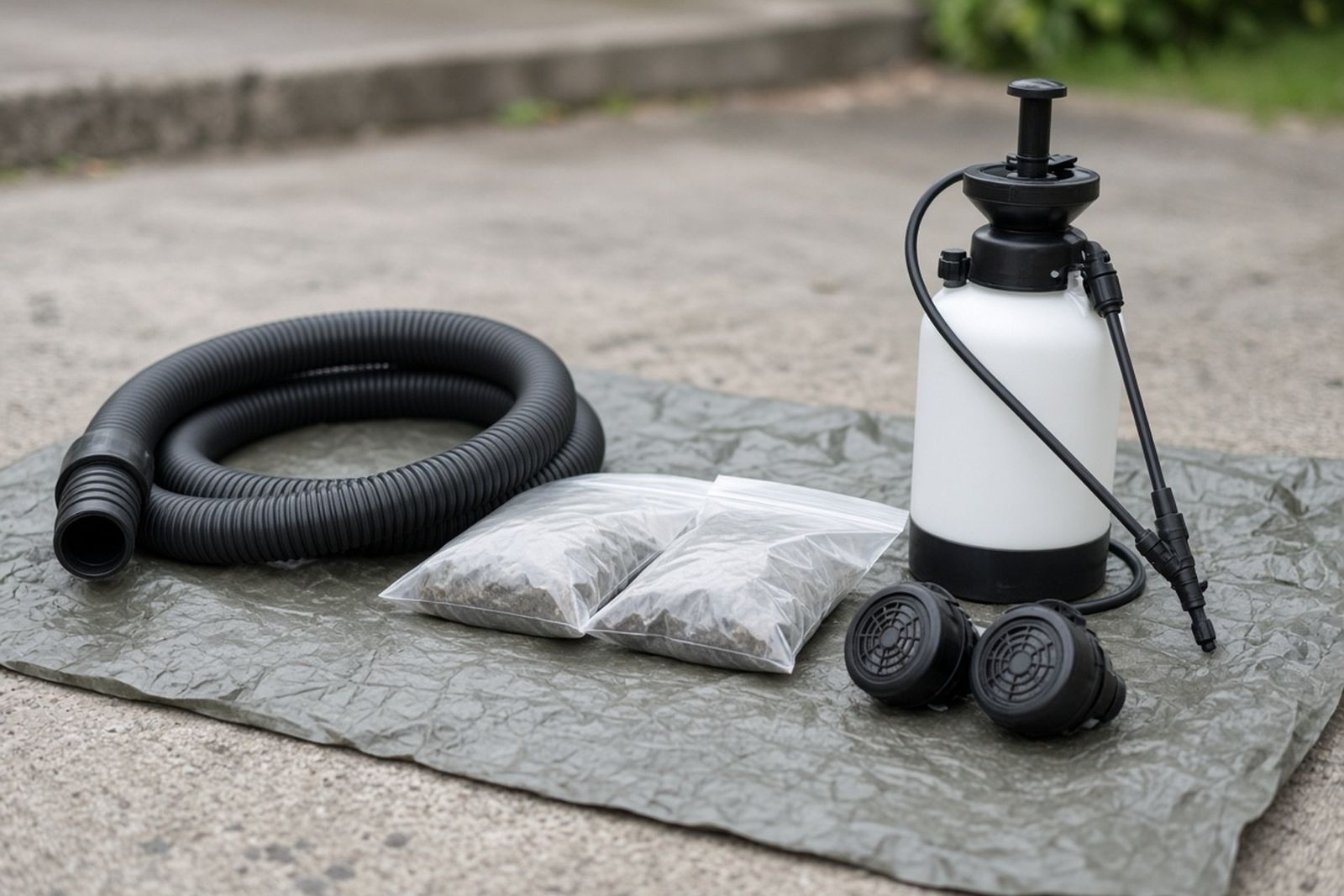
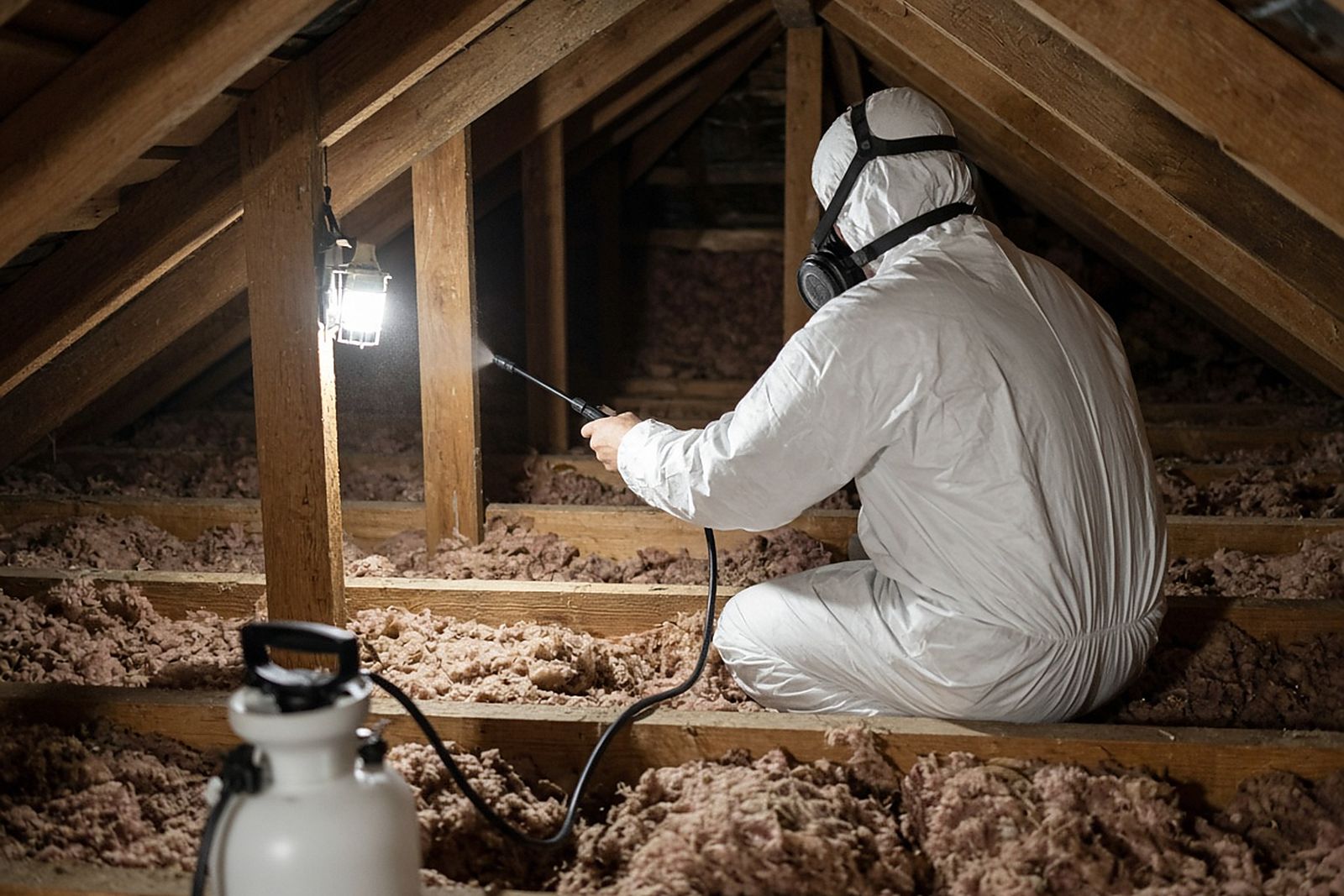
For light cleanups, gloves and careful wet methods may be enough. For heavy infestations, respiratory protection becomes essential: a half-mask or full-face air-purifying respirator with HEPA filters, worn with coveralls, rubber boots, goggles, and gloves.
Ask what respirator the crew will wear and whether it is fitted to each worker. A respirator that does not seal to the face lets unfiltered air leak in around the edges. Workers should also be trained in how to put on, remove, and store their respirators.
Disposable coveralls with hoods and boot covers keep dust off clothing and hair. Goggles protect the eyes, which can be a route for infection. After the job, gear should be removed carefully and either disinfected or bagged for disposal.
If the proposal lists only paper dust masks for a large attic job, ask why. Simple masks are not designed to seal tightly or to filter the fine particles of concern.
- Fitted half-mask or full-face respirators with HEPA filters for heavy jobs.
- Disposable hooded coveralls and boot covers.
- Goggles or a full-face respirator for eye protection.
- Rubber or nitrile gloves, often double layered.
How should disinfectant be applied?
Disinfectant needs to soak droppings, urine stains, and nest material before anything is lifted. Crews typically use handheld or backpack pump sprayers set to a low-pressure, coarse spray. The goal is to wet the material gently and thoroughly.
High-pressure spraying is a problem. A strong jet can blast droppings apart and push particles into the air, which is the opposite of what the wet method is meant to achieve. If a proposal mentions pressure washing in an enclosed space with droppings, ask more questions.
Ask which disinfectant the crew will use, whether it is registered for the purpose, and how long it needs to stay wet. EPA reported in 2025 that more than 4,000 antimicrobial products are currently registered with EPA and sold in the marketplace, so the word disinfectant on a proposal tells you very little until it names a product. Bleach solutions are common but can damage some materials, so a provider may choose a different registered product for certain surfaces. Either way, the full contact time should be observed before removal begins.
Deodorizing products are a separate category. Enzyme cleaners break down the organic compounds in urine that cause lingering odor, and encapsulating sealers can lock residual stains into wood so they stop off-gassing. Ask whether the proposal includes odor treatment and which product type the crew plans to use on your framing or subfloor.
Vacuums: when they are acceptable
Vacuums are one of the most misunderstood tools in rodent cleanup. Vacuuming or sweeping dry droppings, urine, or nesting material that has not been disinfected throws particles into the air, and no filter rating changes that.
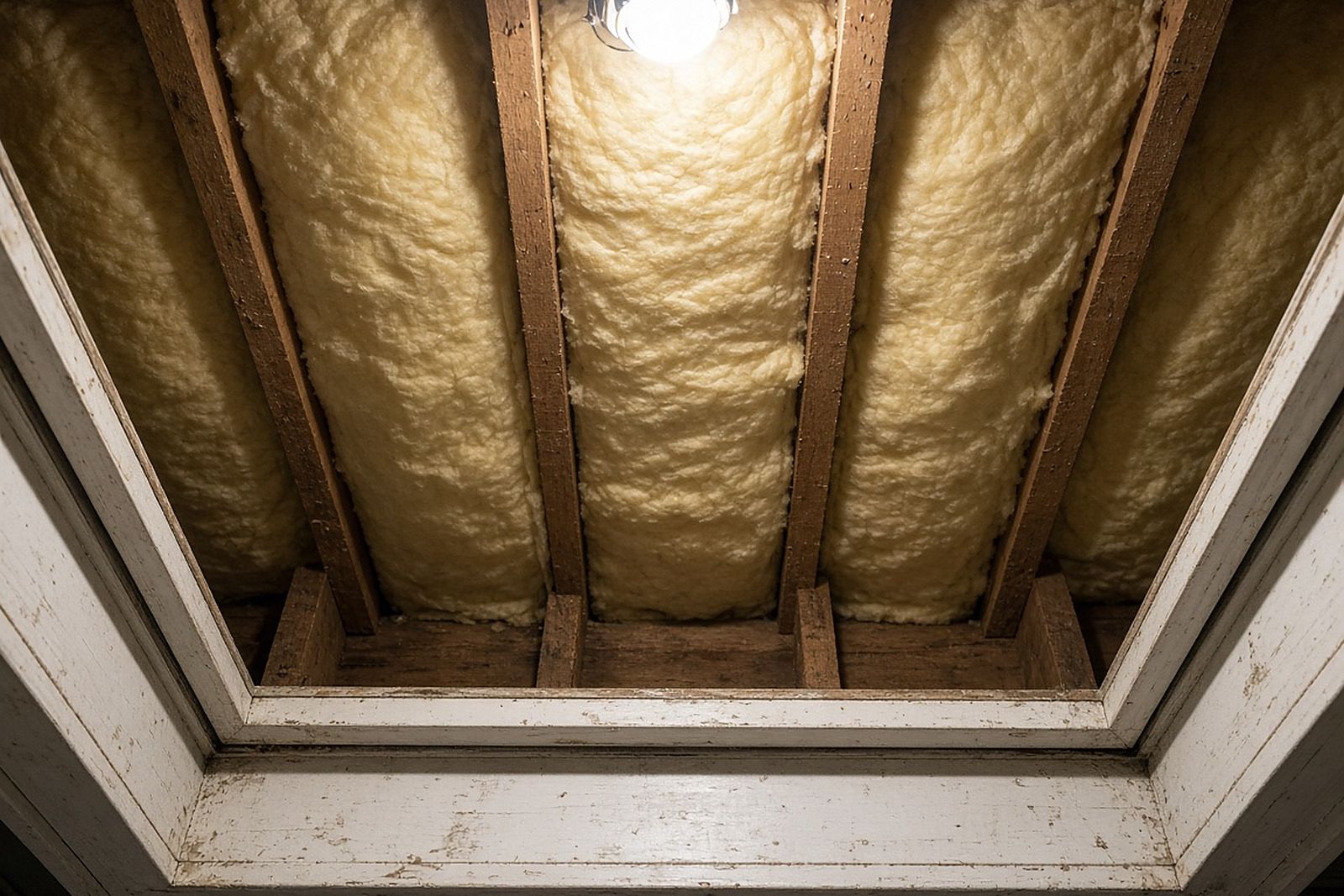
Professional crews use vacuums in two narrow ways. First, a HEPA-filtered vacuum may be used for final cleanup after droppings have been soaked, disinfected, and removed by hand. Second, specialized high-capacity insulation removal systems may be used to extract soiled loose-fill insulation from an attic.
Insulation removal vacuums are large machines, often truck-mounted or on wheels, that pull insulation through a hose into sealed bags or a collection unit outside the house. Ask where the collection point is and how the bags are sealed. The exhaust should not blow contaminated air back into the home.
A household vacuum or shop vacuum without HEPA filtration is not appropriate for this work.
Should the crew set up containment?
For heavy jobs, especially attic and crawlspace work, containment keeps dust and particles from spreading into living areas. Crews may seal the attic hatch or crawlspace access with plastic sheeting and tape, use zipper doors for entry, and cover vents or return air grilles near the work area.
Some providers also use negative air machines. These units draw air out of the work area through HEPA filters and exhaust it outside, so air flows into the contained space rather than out of it. Ask whether they plan to use one and where it will vent.
Containment takes time to set up, but it is a strong sign that a provider is thinking about the rest of your home, not just the area being cleaned. If someone in your household has asthma or allergies, ask specifically how the living space will be protected.
Inspection tools
Good equipment starts with the inspection. Bright flashlights and headlamps reveal droppings in dark attics and crawlspaces. Ultraviolet flashlights can make dried rodent urine easier to see on some surfaces, helping technicians map travel routes and nesting areas.
Inspection cameras let crews look inside wall cavities, ducts, and other enclosed spaces without opening them up. Moisture meters can help identify areas where urine has soaked into wood or drywall. Ladders, crawl boards, and knee pads let workers move safely in attics without stepping through the ceiling.
Ask what the inspection will include and whether you will receive photos. A thorough inspection with documented findings makes the rest of the proposal easier to trust.
Some providers also offer air or surface sampling for allergens when a household member has asthma. It is not routine for most jobs, but it can be useful to compare before and after conditions. If sampling is offered, ask what it measures and how the results will guide the work.
What exclusion materials actually keep rodents out?
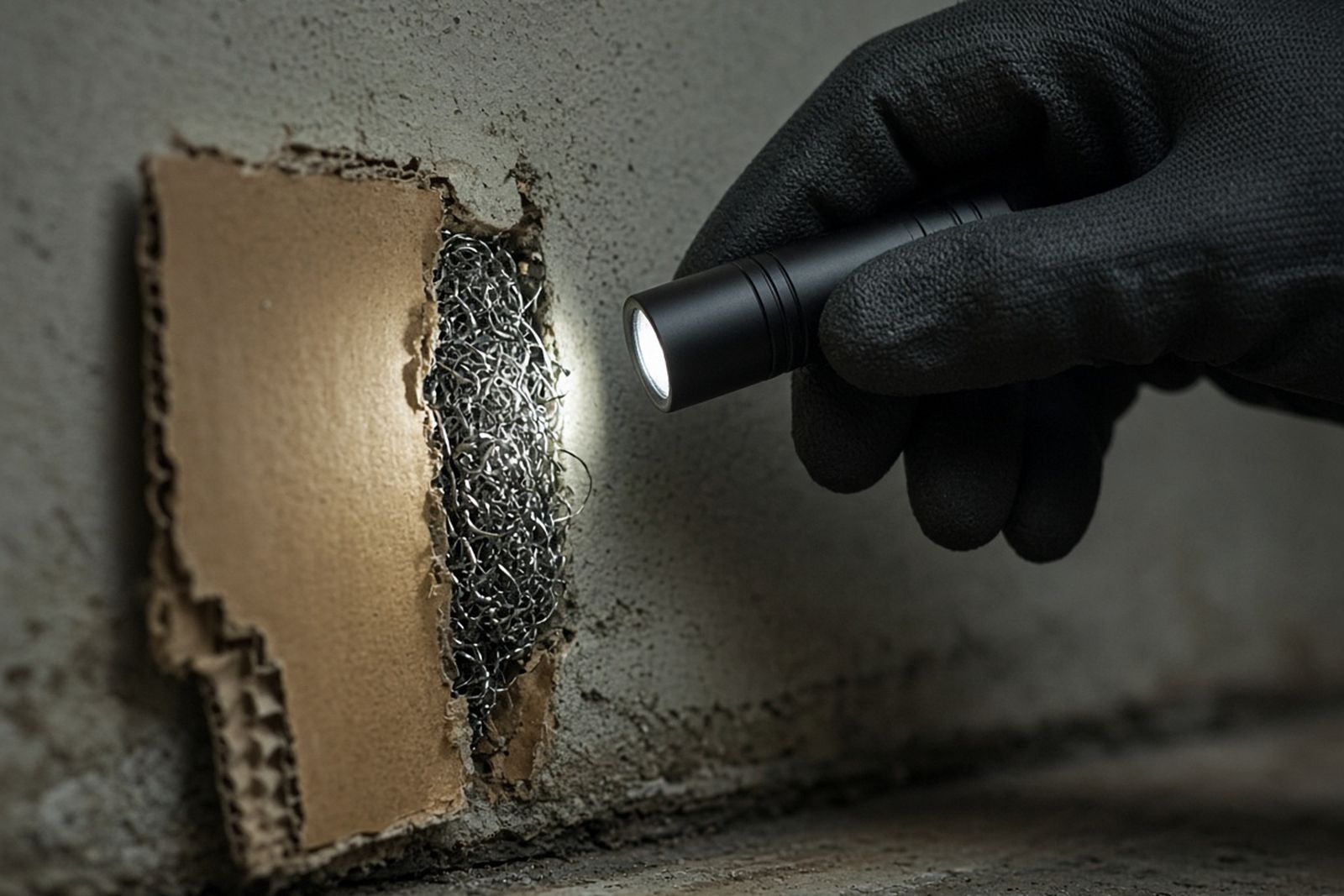
Sealing entry points is only effective if the material resists chewing. Rodents can gnaw through soft materials such as foam sealant, caulk alone, plastic, and thin wood. Professionals use harder materials: galvanized hardware cloth, sheet metal flashing, copper or stainless steel mesh, and concrete or mortar for foundation gaps.
Often the approach combines materials. A crew might stuff a gap with metal mesh, then seal over it with a sealant to hold it in place and close air gaps. Vent screens may be replaced with sturdier metal versions. Door sweeps and garage door seals may be added or upgraded.
Ask what materials will be used for each type of gap and whether the work comes with a warranty. If the proposal lists only expanding foam, ask what will stop rodents from chewing through it.
Traps belong in the same conversation. Snap traps and enclosed multi-catch traps are common inside homes because the crew can check and remove them. Glue boards are discouraged by many professionals and some health agencies because trapped animals may urinate and struggle, which adds contamination. Ask which trap types will be placed and how often they will be checked.
- Galvanized hardware cloth or sheet metal for vents and larger openings.
- Copper or stainless mesh packed into gaps around pipes and cables.
- Mortar or concrete patch for foundation cracks.
- Door sweeps and garage seals for gaps at ground level.
What should you ask before signing a rodent remediation contract?
A short list of questions will tell you a great deal about a provider's approach. If trapping or baiting is part of the job, also ask whether it is done under a state pest control applicator license.
If you have already been exposed to heavy rodent activity and develop fever, muscle aches, or breathing difficulty, contact a healthcare provider and mention the exposure.
- What respirator will your crew wear, and is it fit-tested?
- How will you apply disinfectant, and what is its contact time?
- When, if ever, will you vacuum, and with what equipment?
- Will you set up containment to protect living areas?
- What materials will you use to seal each entry point?
- Will I receive photos from the inspection and after the work?