Rodent & Pest Droppings Remediation: Industry Insights
Operational analysis of rodent & pest droppings remediation documentation, property-type differences, technology limits, environmental decisions, and provider business models—without invented case histories.
Industry posts explain how droppings cleanup fits among pest control, wildlife removal, restoration, and insulation work. Articles look at how the trade has moved away from quick insulation swaps. It has moved toward wet methods and air filters and plastic walls that keep dust inside the work area. Posts show how business jobs in warehouses and restaurants differ from home attics. They also cover what property managers should know about repeat rodent problems across many buildings. Other posts cover safe disposal of large amounts of insulation. They explain how to build a work plan you can defend, with each task tied to what was found. You will also read about caring for the environment, including how some crews cut waste by saving clean insulation where it makes sense.
Get an email reply about rodent & pest droppings remediation
Send a short message to the follow-up inbox. A coordinator can reply by email. This form does not send emergency help; call 911 first if anyone is in danger.
This background helps you see why quotes and methods vary so much. The work sits between trades. One company may do everything, or it may hire others for parts of it. Marketing often blurs those lines. Knowing how these businesses fit together helps you ask the right questions. Who is responsible for each step? Who will come back if droppings return? Does the setup behind the brand actually serve you? It also explains why some companies offer warranties tied to gap sealing and others do not. When you know how those promises work and what terms they carry, you can compare offers more fairly. You also avoid assuming coverage that the fine print does not really give.
How Rodent & Pest Droppings Remediation Practice Has Changed
Rodent cleanup went from broom-and-dustpan chores to wet disinfection, HEPA respirators, and sealed entry points. How the practice changed and why it matters.
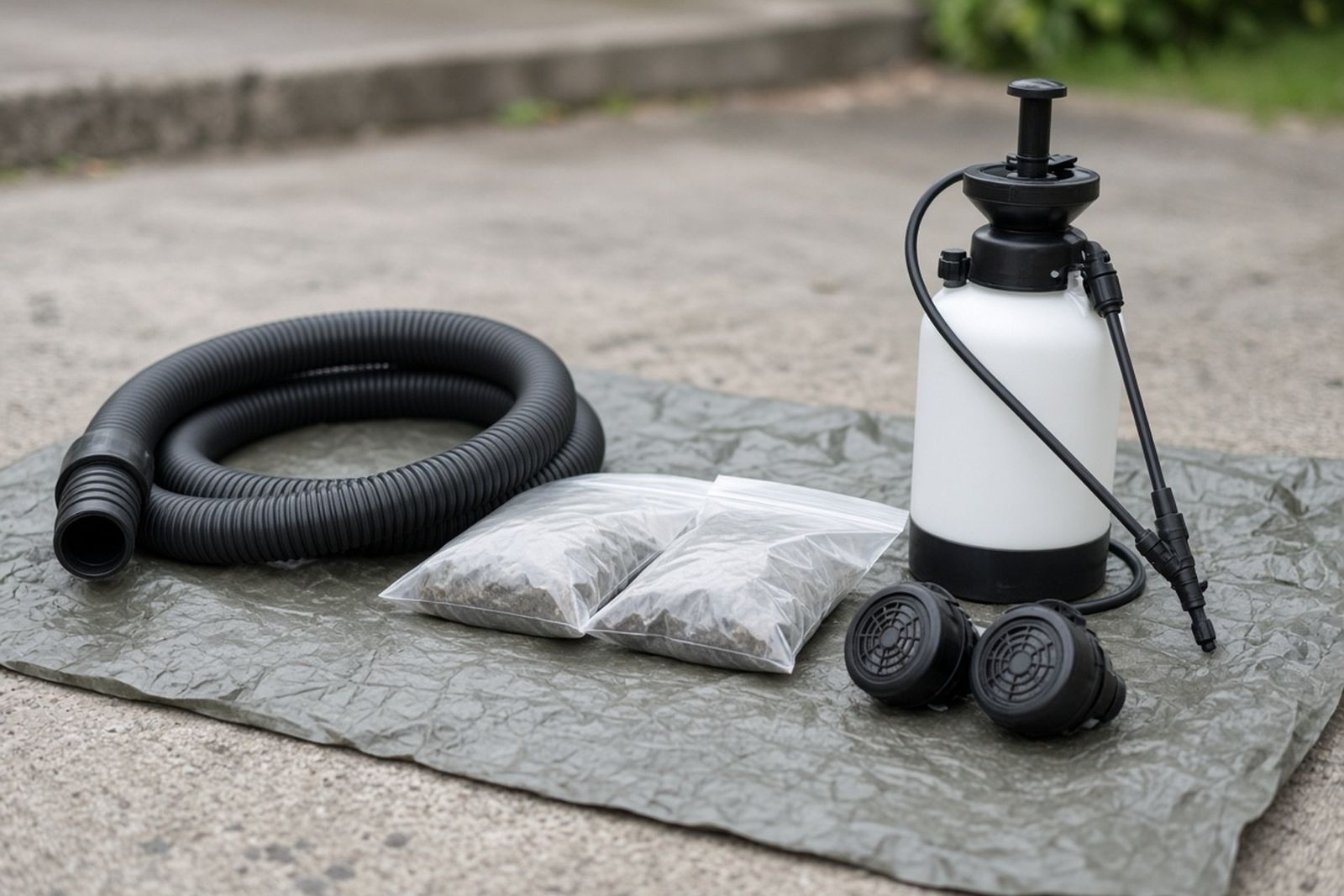
Rodent droppings cleanup has changed from a simple sweeping chore into a structured practice. Recognition of hantavirus in the United States, research on mouse allergens and asthma, and a shift from poison-only pest control toward exclusion all reshaped the work. Modern crews wet and disinfect before removal, wear HEPA-filtered respirators for heavy contamination, remove soiled insulation, and seal entry points.
Rodent & Pest Droppings Remediation for Property Managers: What You Need to Know
Rodent droppings in units, attics and trash rooms land on the property manager's desk. Learn how to coordinate exclusion, safe cleanup and tenant communication.
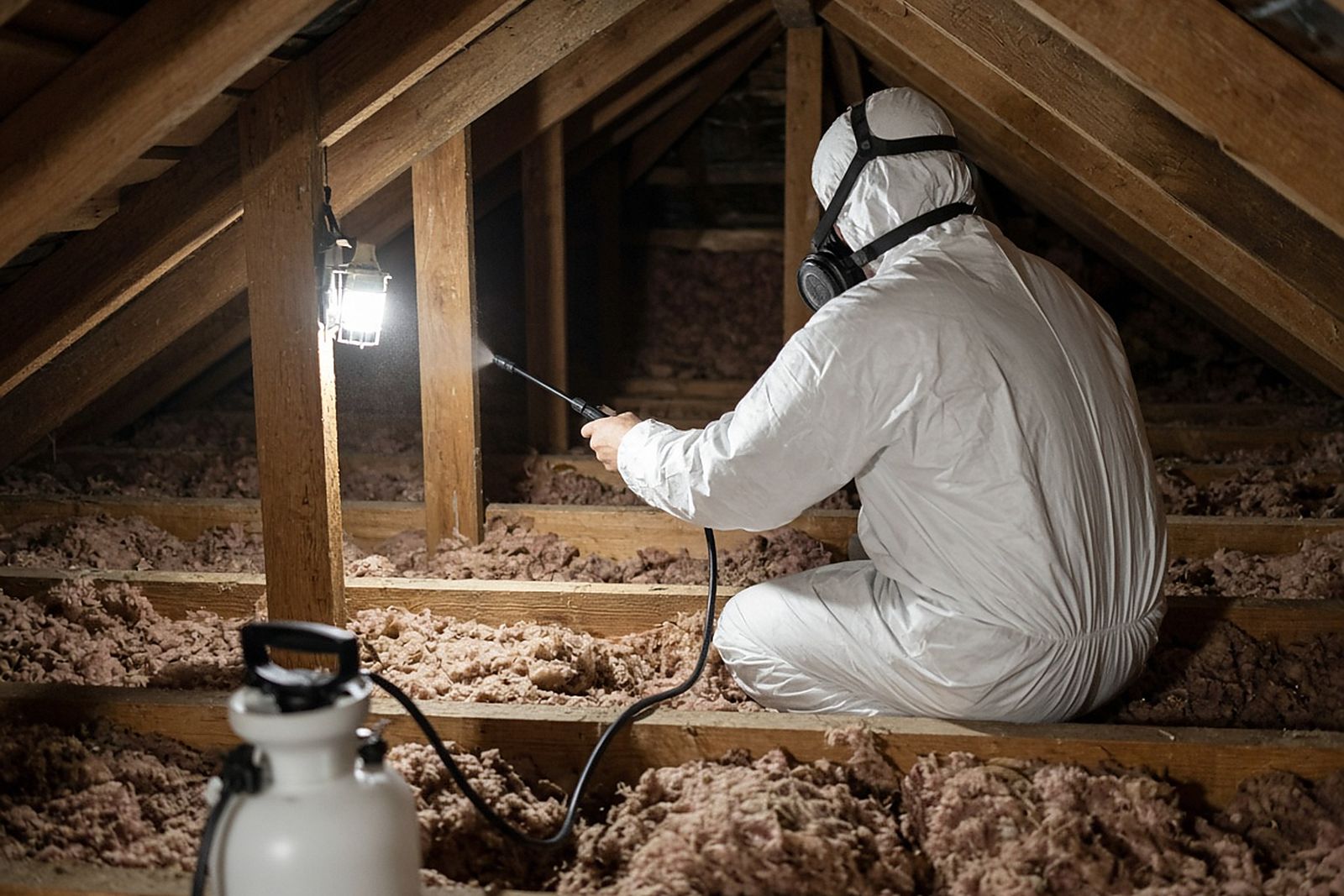
Property managers usually carry the job of coordinating rodent problems across units and common areas. That means pairing pest control with exclusion, making sure droppings and nesting material are cleaned with wet methods rather than swept, deciding when contaminated insulation or stored goods must go, communicating clearly with tenants, and documenting each step. Habitability rules vary by state and county, so verify local requirements.
Rodent & Pest Droppings Remediation Planning Example: Building a Defensible Scope
A hypothetical mountain cabin with deer mouse droppings in the attic, kitchen and crawlspace shows how to write a rodent cleanup scope you can check.
A defensible rodent remediation scope ties cleanup to confirmed rodent control and exclusion, names each affected area, states which materials will be cleaned and which removed, specifies wet disinfection methods and protective equipment, and lists the records you will receive. This hypothetical cabin example walks through each decision so you can ask the same questions about your own property.
Commercial vs Residential Rodent & Pest Droppings Remediation
Mouse droppings in a home pantry and rat droppings in a restaurant or warehouse call for different plans. Compare residential and commercial rodent cleanup.
Residential rodent droppings cleanup usually focuses on a household's living spaces, attic, crawlspace and stored belongings, with decisions made by the homeowner. Commercial remediation adds food safety rules, worker protection duties, larger and more complex spaces, business continuity, and documentation for inspectors, landlords or clients. The wet disinfection method is the same; the planning around it is not.
Environmental Responsibility in Rodent & Pest Droppings Remediation
Rodent cleanup can protect your home without harming owls, pets or waterways. Learn how exclusion, careful disinfectant use and proper waste handling fit.
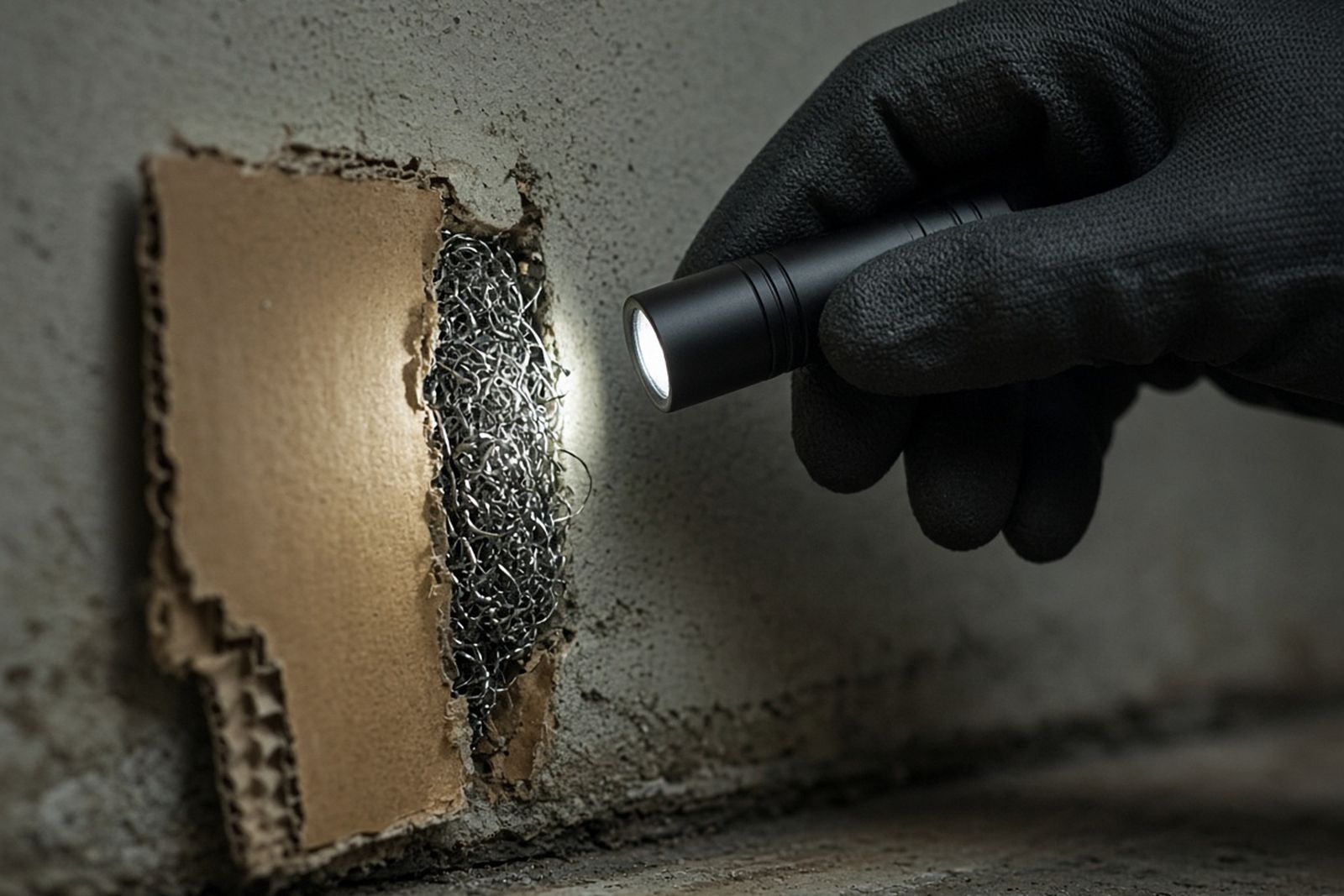
Environmentally responsible rodent droppings remediation relies on exclusion and trapping before poison, uses disinfectants at the right strength without overapplying or mixing chemicals, bags contaminated material for proper disposal, keeps wash water out of storm drains, and replaces removed insulation with sensible materials. The goal is a clean, sealed building without creating new hazards for pets, wildlife or water.
Sourced figures on industry insights
- 27%
In a 2023 Harris Poll for NPMA, 27 percent of U.S. adults said they found a rodent in their home in the past year and 9 percent reported a rodent infestation.
Read with care: Commissioned by a pest-industry trade group and based on self-reported online responses.
Source: National Pest Management Association (2023)United States, 2,087 adults 18+, online survey September 22-26, 2023, margin of error 2.7 points
- 3.1%-18.9%
Across the 15 largest U.S. metro areas, the share of homes reporting rodent sightings ranged from 3.1 percent in Phoenix to 18.9 percent in Philadelphia in the 2019 American Housing Survey.
Read with care: Only the largest metros are compared; smaller cities and rural areas may differ substantially.
Source: U.S. Census Bureau (2021)15 largest U.S. metropolitan areas, 2019 survey year, occupied housing units
- 35%
About 35 percent of hantavirus infections reported to CDC in the United States since 1993 resulted in death.
Read with care: CDC's About Hantavirus page cites 38 percent for people who develop respiratory symptoms, so the figure varies with the denominator used.
Source: CDC (2024)United States, all reported hantavirus disease cases 1993 through 2023
These figures are public research and agency data, not this network's own job records. Keep each number with its population, year and limits; none of them predicts cost, timing or outcome at a specific property.
What research has found
Findings from published studies of people and properties in situations like this one. They describe what researchers observed in a specific group; they are not predictions for your case.
Rural homes tended to have higher rodent prevalence.
Willingness to buy traps in an informal market was associated with acceptance.
Industry Insights: common questions
Why do some companies call themselves wildlife control and others remediation?
Wildlife control companies focus on removing animals and keeping them from getting back in. Cleanup companies focus on the waste the animals leave behind. Many firms do some of each, and the labels are not regulated in a consistent way. Whatever a company calls itself, ask which tasks it does itself and which it hands to partners.
How do commercial droppings jobs differ from residential ones?
Business jobs in warehouses, restaurants, and offices often involve food safety inspectors and business hours. They also involve stored goods and bigger ceiling areas. Work may be done in stages around opening hours, and the need for records is usually higher. Home jobs center on attics, crawlspaces, and family belongings. There, the main focus is keeping dust out of the living space.
What should property managers track for buildings with repeat rodent problems?
Keep records of each rodent problem. Note where it was, what gaps were found, what work was done, and who did it. Patterns across units or seasons can point to shared problems. Examples are where the dumpster sits or gaps along a foundation. Clear records also help when you discuss who is responsible with tenants, owners, or insurers.
Why do some providers focus only on attics?
Many home rodent problems center in attics, and removing insulation makes up a large share of that work. So some companies focus there and buy gear like insulation vacuums. Others cover attics, crawlspaces, garages, and business spaces. A focused company may do attic work very well but send other areas to someone else. Ask which spaces the company handles often before you assume it covers everything.
How are insulation contractors and remediation companies connected?
Some cleanup companies put in new insulation themselves. Others team up with insulation companies. Many insulation companies also offer removal. This overlap can be handy, but it may give a reason to push full replacement. Ask whether the advice is based on how soiled the insulation is or on what is easier. Think about getting a second opinion if the plan seems bigger than the problem you see.
Is rodent remediation work growing as an industry?
More people now know about the health risks and allergies linked to rodents. That has raised demand for special cleanup. Many pest control and restoration firms have added it to their services. Growth gives customers more choices, but quality also varies more. That is why it matters more to ask about methods, safety gear, and records than to check whether a company advertises cleanup.
What role do home inspectors play in rodent problems?
Home inspectors often find signs of rodents when a home is being sold. They note droppings, damage, or gaps in their reports. They usually do not do cleanup or seal gaps. But their findings can lead buyers and sellers to call in a pest or cleanup company. If you are buying a home with rodent signs in the report, get an estimate from a cleanup company before closing.
Related community polls
Every count is a real visitor vote; nothing is seeded or padded. One vote per poll per device, and you can change your answer.
If you found droppings across your attic insulation, what would you most likely do?
How well do you understand the hantavirus risk from rodent droppings?
More on rodent & pest droppings remediation
Rodent & Pest Droppings Remediation services
See how wet cleanup, attic and crawlspace work, bat droppings, sealing gaps, and insulation choices fit together after rodents move in.
Costs explained
What drives the price, published cost ranges, and how to read a written quote line by line.
Insurance and payment
Which policies may respond, how to document a claim, and what to do if coverage is denied.
Planning tools
Use the risk check, planner, cost estimator, vetting questions, claim organizer, and waste guide built for droppings in attics and crawlspaces.
Community polls
See how other homeowners and landlords handle attic droppings, new insulation, and the choice between cleaning up themselves or hiring help.
Knowledge quiz
Check whether you know why dry sweeping is dangerous, when insulation must go, and why sealing the gaps comes first.