Short answer
Residential rodent droppings cleanup usually focuses on a household's living spaces, attic, crawlspace and stored belongings, with decisions made by the homeowner. Commercial remediation adds food safety rules, worker protection duties, larger and more complex spaces, business continuity, and documentation for inspectors, landlords or clients. The wet disinfection method is the same; the planning around it is not.
Same method, different planning
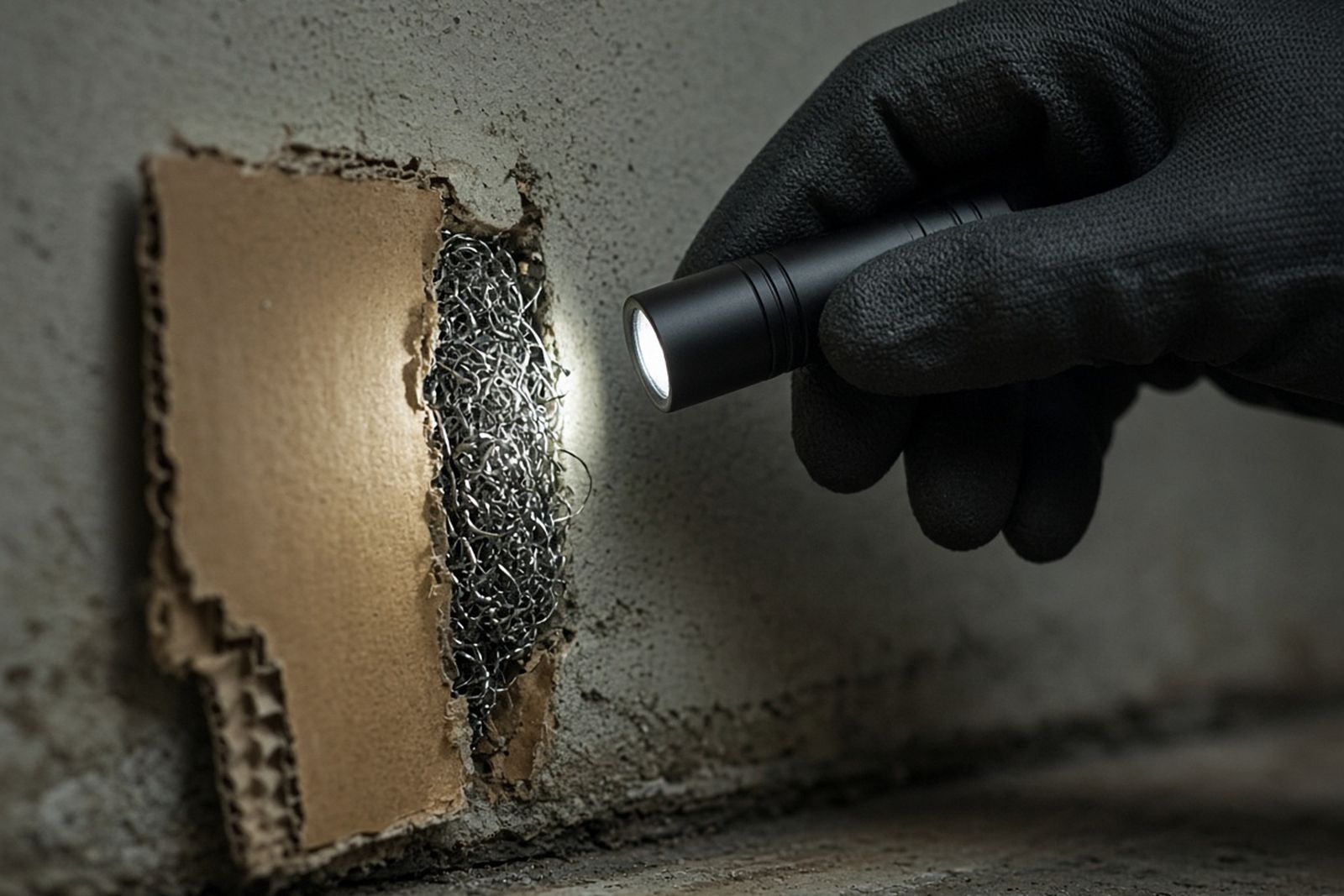
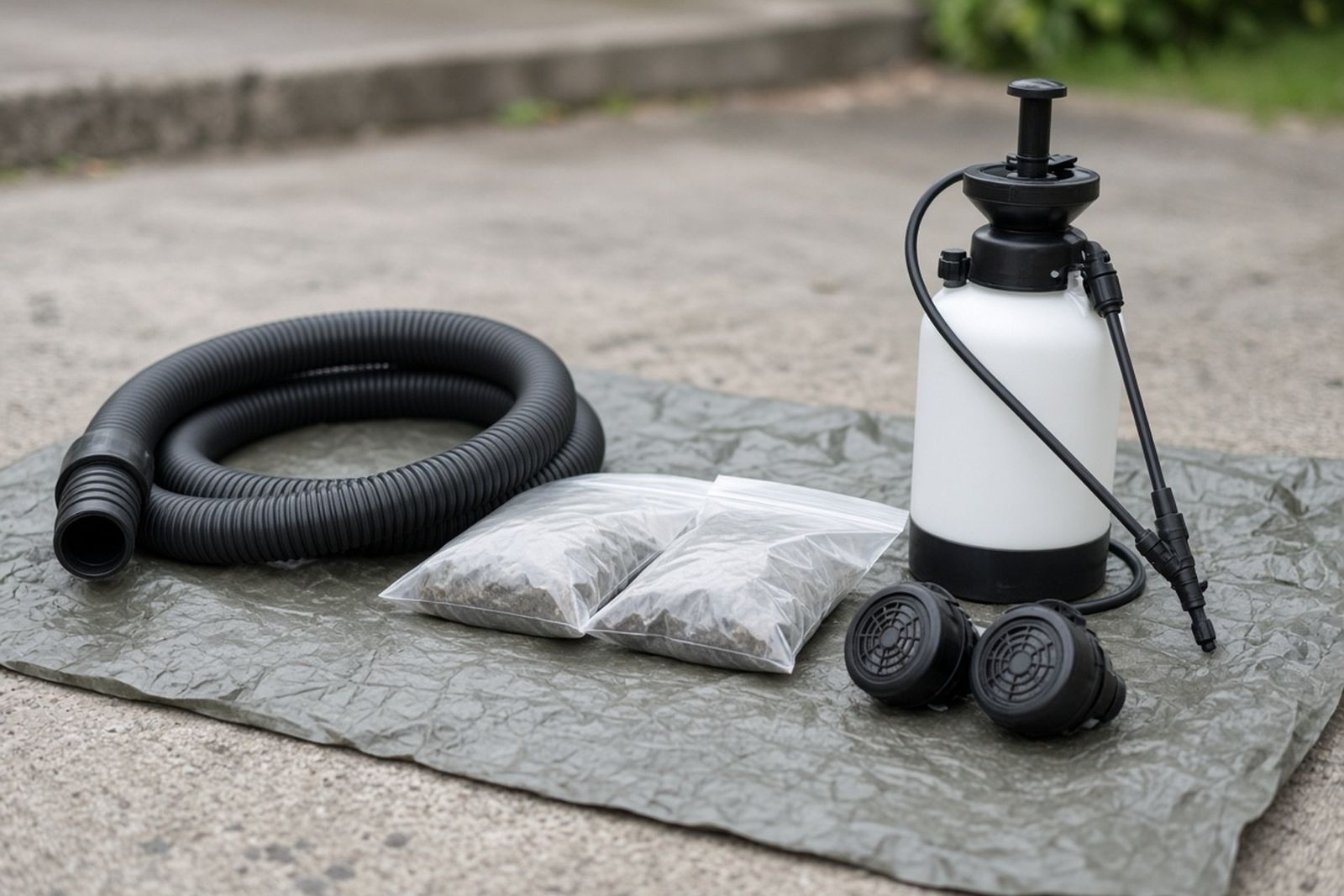
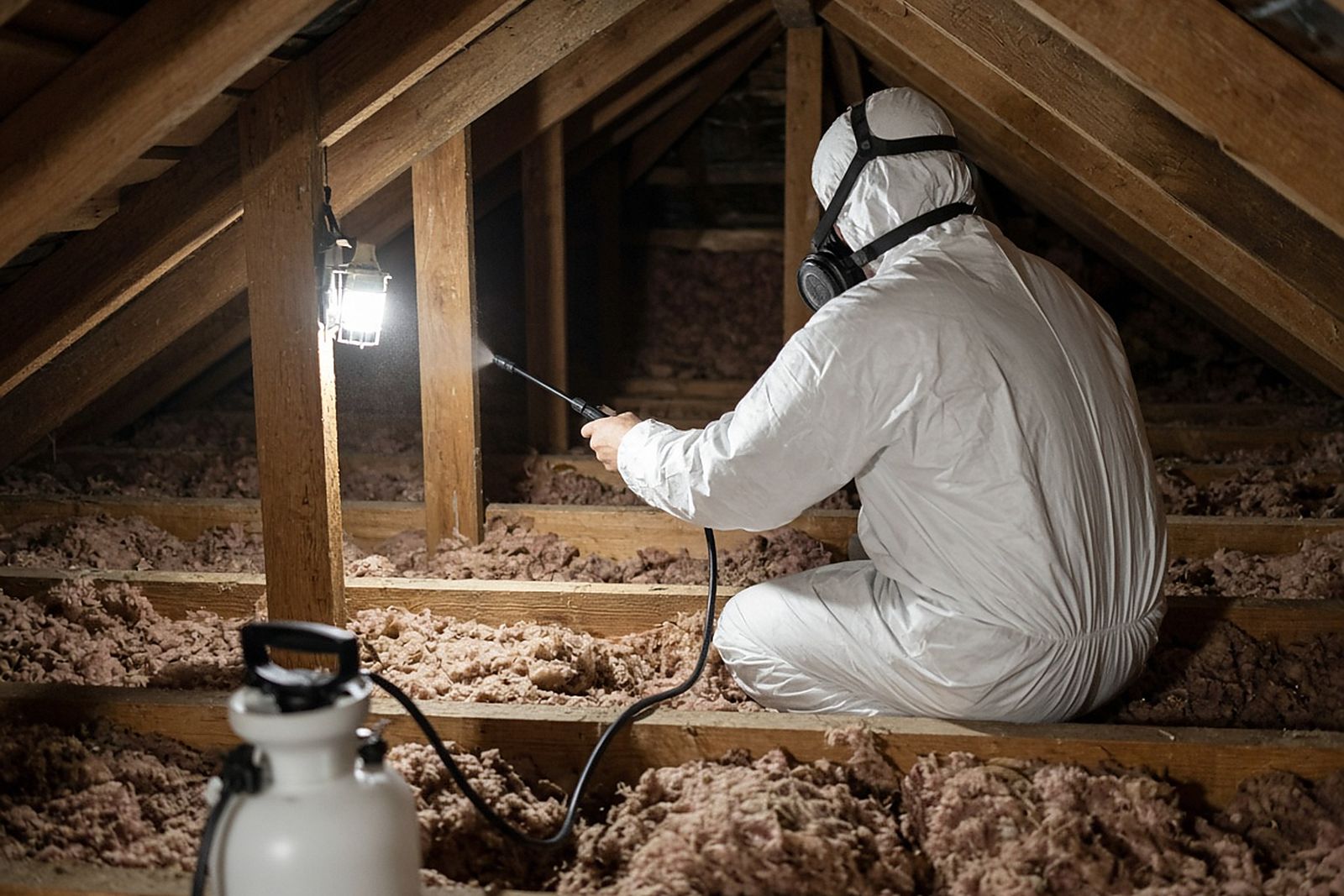
The core method does not change with the address. Droppings, urine and nesting material are ventilated, wetted with disinfectant, left for the product's contact time, and removed without sweeping or ordinary vacuuming. Heavily soiled porous materials are bagged and removed. Entry points are sealed so the rodents cannot return.
What changes is everything around that method: who must be involved, what rules apply, how the work is scheduled, how large and complicated the space is, and who needs to see proof afterward.
Rodents are common in both settings. In a 2023 Harris Poll for the National Pest Management Association, 27 percent of U.S. adults said they found a rodent in their home in the past year and 9 percent reported a rodent infestation. Commercial buildings with food, storage and loading areas face the same pressure, often at a larger scale.
The typical residential job
Most home jobs center on a handful of places where mice or rats find food and shelter: kitchens and pantries, under sinks, behind appliances, garages, attics, crawlspaces, basements and sheds. The homeowner usually discovers droppings, hears scratching in the walls or notices an odor.
Residential cleanup often involves personal belongings. Boxes of holiday decorations in the attic, clothing in a basement closet and furniture in a garage may all have droppings or nesting in them. Decisions about what to clean, what to keep and what to throw away belong to the household, and they can be emotional when the items have sentimental value.
Health concerns in a home tend to focus on the people living there, especially young children, older adults, people with asthma or allergies and anyone with a weakened immune system. Many families choose to stay elsewhere while an attic or crawlspace is being cleaned, even when the work is contained.
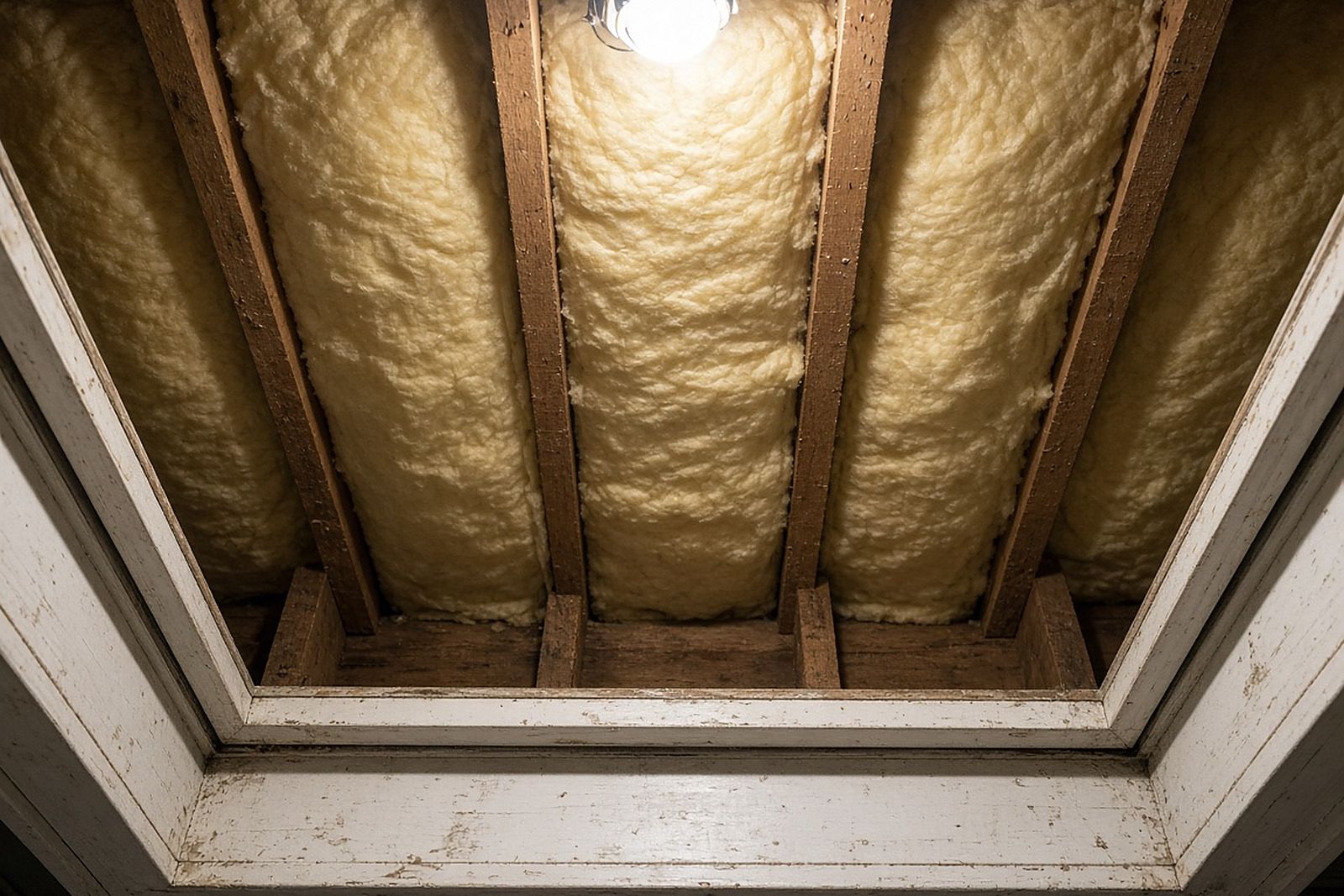
Homes also have their own access challenges. Low attic crawl spaces, blown-in insulation that shifts underfoot and tight crawlspaces with standing water or debris make the work slow. A good residential crew explains these conditions honestly so the household understands why an attic job can take longer than the square footage suggests.
The typical commercial job
Commercial rodent work spans restaurants, grocery stores, food warehouses, offices, schools, daycare centers, hotels, apartment buildings, retail backrooms and industrial facilities. The contamination often sits in places the public never sees: dry storage, drop ceilings, electrical rooms, cable trays, loading docks and pallet racking.
Scale is one difference. A warehouse may have droppings spread along hundreds of feet of racking, with stored product at risk. An office tower may have activity in multiple floors' ceiling spaces. The remediation plan has to break the site into zones and sequence the work.
Another difference is that the building is usually still operating. Customers, students or employees may need to use nearby spaces while the crew works, which raises the stakes on containment, scheduling and communication.
Commercial spaces also hide droppings in places that are awkward and sometimes hazardous to reach. Crews may need lifts for high racking, coordination with an electrician before opening panels near wiring, or permission from building management to lift ceiling tiles above occupied offices. Those logistics belong in the plan before the first bag is filled.
Which extra rules apply to businesses?
Food businesses typically answer to a local health department, and many food codes treat evidence of rodents as a significant violation. An inspector may require the business to discard contaminated food, clean and sanitize affected areas and show that pest control is in place before normal operations continue.
Employers also have worker-safety duties. Staff asked to clean droppings or handle contaminated stock may need training, gloves and eye protection, and in some cases respirators, which bring their own requirements for medical evaluation and fit testing. Many businesses decide that anything beyond a small spill of droppings goes to a trained crew.
Rental housing adds landlord obligations. Many states treat freedom from rodents as part of habitability, and local codes may set inspection and response expectations. Contracts with clients or franchise agreements can add their own pest standards. Before work starts, ask the health department that inspects your business, or the code enforcement office for a rental, what it will expect to see afterward.
Removal decisions: preference vs rules
At home, removal decisions weigh contamination against the household's attachment to an item and the cost of replacing it. A family may choose to clean a hard-shell storage bin and its contents rather than discard it, and that can be reasonable for hard, washable items.
In a commercial setting, removal decisions are often driven by rules and liability rather than preference. Food that rodents have touched or that sits in gnawed packaging is typically discarded. Stored product in damaged cases may be written off. Ceiling tiles, insulation and cardboard that show urine staining are usually replaced rather than cleaned, because an inspector or client will want to see a clear fix.
In both settings, heavily soiled porous materials like insulation, cardboard and upholstered items are hard to decontaminate reliably. The difference is who makes the final call and what they need to document.
How does scheduling change when a business is open?
A homeowner can usually leave for a day or two and let the crew work. A restaurant, store or school often cannot close for long without real consequences, so commercial remediation is frequently scheduled overnight, over a weekend or in phases.
Phased work needs careful containment. Crews may build temporary barriers with plastic sheeting, cover ventilation returns in the work zone and set up a controlled path for bagged waste so it never passes through food preparation or customer areas.
Planning also covers who needs notice. Staff should know which areas are off limits and why. Tenants in a shared building may need to be told if work affects common ceilings or corridors. A clear schedule avoids someone wandering into a work zone that has not yet been disinfected.
Residential scheduling has its own wrinkles. Pets need a place to stay, and people who work from home may need a quiet room kept outside the work zone. Asking about these details at the start keeps the day calm.
What paperwork will a home or a business need afterward?
A homeowner mainly needs enough documentation to understand the work, handle any insurance questions and share history with a future buyer or contractor. Photos, a list of what was removed and a description of the exclusion work usually cover it.
Businesses often need more. A health inspector may ask to see pest control service reports and proof that contaminated areas were cleaned and sanitized. A landlord may want records showing a tenant's space was restored. Corporate or franchise safety teams may require specific report formats.
- Pest control reports showing activity, trapping results and sealed entry points.
- A remediation scope and final report with zone-by-zone photos.
- Lists of discarded food, stock and building materials.
- Which disinfectant was applied and how long it stayed wet.
- Notes on staff notifications and any areas left for follow-up.
Two calls in one week: a family attic and a bakery
To make the contrast concrete, here is an illustrative pairing rather than a real pair of clients. Suppose one provider takes two calls in the same week. The first comes from a couple who found mouse droppings in their attic while retrieving luggage. The second comes from a bakery owner whose early shift found rat droppings along the flour storage shelves.
The couple's job starts after their pest control company has trapped the attic and sealed gaps at the soffits. The crew wets and removes droppings, bags a section of matted insulation above the garage, cleans the luggage and plastic bins the couple wants to keep, and discards cardboard boxes. The couple stays with relatives for the day and gets a short photo report.
The bakery's job moves faster and involves more people. The owner closes production, calls pest control and notifies the health department as the local rules require. The crew works overnight, discarding all opened flour and gnawed sacks, wet-cleaning the shelving and floor, replacing a stained ceiling tile above the storage area and bagging waste out through the back door rather than through the kitchen. The final report goes to the owner, the pest control company and the inspector who returns for a follow-up visit.
How do I pick a droppings cleanup provider that fits my building?
Some providers focus on homes, others on commercial accounts, and many do both. What matters is whether they understand the demands of your setting and can show you how they have handled similar jobs.
If anyone in your home or business becomes ill with fever, muscle aches or breathing trouble after rodent exposure, they should contact a healthcare provider and mention the contact. That advice holds in every setting.
- For homes: How will you help me decide what to clean and what to discard?
- For homes: Should anyone in my household stay elsewhere during the work?
- For businesses: Can you work after hours or in phases?
- For businesses: What records will you provide for inspectors, landlords or clients?
- For both: Who is sealing entry points, and how will we confirm activity has stopped?