Short answer
Environmentally responsible rodent droppings remediation relies on exclusion and trapping before poison, uses disinfectants at the right strength without overapplying or mixing chemicals, bags contaminated material for proper disposal, keeps wash water out of storm drains, and replaces removed insulation with sensible materials. The goal is a clean, sealed building without creating new hazards for pets, wildlife or water.
Can rodent cleanup really be environmentally responsible?
It can, and in many cases the most responsible approach is also the most effective. The environmental risks in this work come from three places: the chemicals used to kill rodents, the chemicals used to disinfect their droppings, and the materials hauled away afterward.
Each of those can be managed. A plan that seals entry points, limits poison use, applies disinfectant precisely and disposes of waste properly protects your household without spreading harm to pets, wildlife or local water.
None of this means skipping precautions. Rodent droppings and urine can carry disease, and the wet disinfection method exists for good reason. Environmental care works inside that safety framework, not in place of it.
It also helps to think in terms of the whole cycle. A cleanup that is not followed by sealing entry points will likely need to be repeated, with another round of disinfectant, bags, protective gear and landfill trips. Preventing the second infestation is one of the greenest things you can do.
The problem with rodenticides
Many rodent baits work by preventing blood from clotting. A poisoned mouse or rat may not die right away. It can wander outdoors, where owls, hawks, foxes, cats and dogs catch and eat it. Those predators can be poisoned in turn, a problem often called secondary poisoning.
Bait can also be eaten directly by non-target animals if it is placed carelessly, and poisoned rodents that die inside walls create odor and a second contamination problem that needs cleaning.
Some states and localities restrict certain rodenticides or who can apply them. A licensed pest control operator should know the current rules where you live and explain why a particular product was chosen.
That does not mean bait is never appropriate. In a severe infestation, or where exclusion is impossible in the short term, a professional may decide it is needed. The responsible version uses the least hazardous effective product, places it in locked stations, keeps records of where stations sit, and removes them once the problem is under control rather than leaving them indefinitely.
Exclusion first, traps second
Exclusion means physically keeping rodents out. It targets the cause of the problem rather than the animals already inside, and it reduces the need for ongoing poison use.
Traps are the usual partner to exclusion. Snap traps and enclosed traps placed in tamper-resistant stations can remove the rodents already indoors without spreading poison into the food chain. Households that are used to reaching for poison may need a clear explanation of why traps are being used instead, and that advice should come from the pest professional.
Avoid releasing live-trapped rodents elsewhere. Relocated rodents may simply move into another building, and handling live animals adds bite risk.
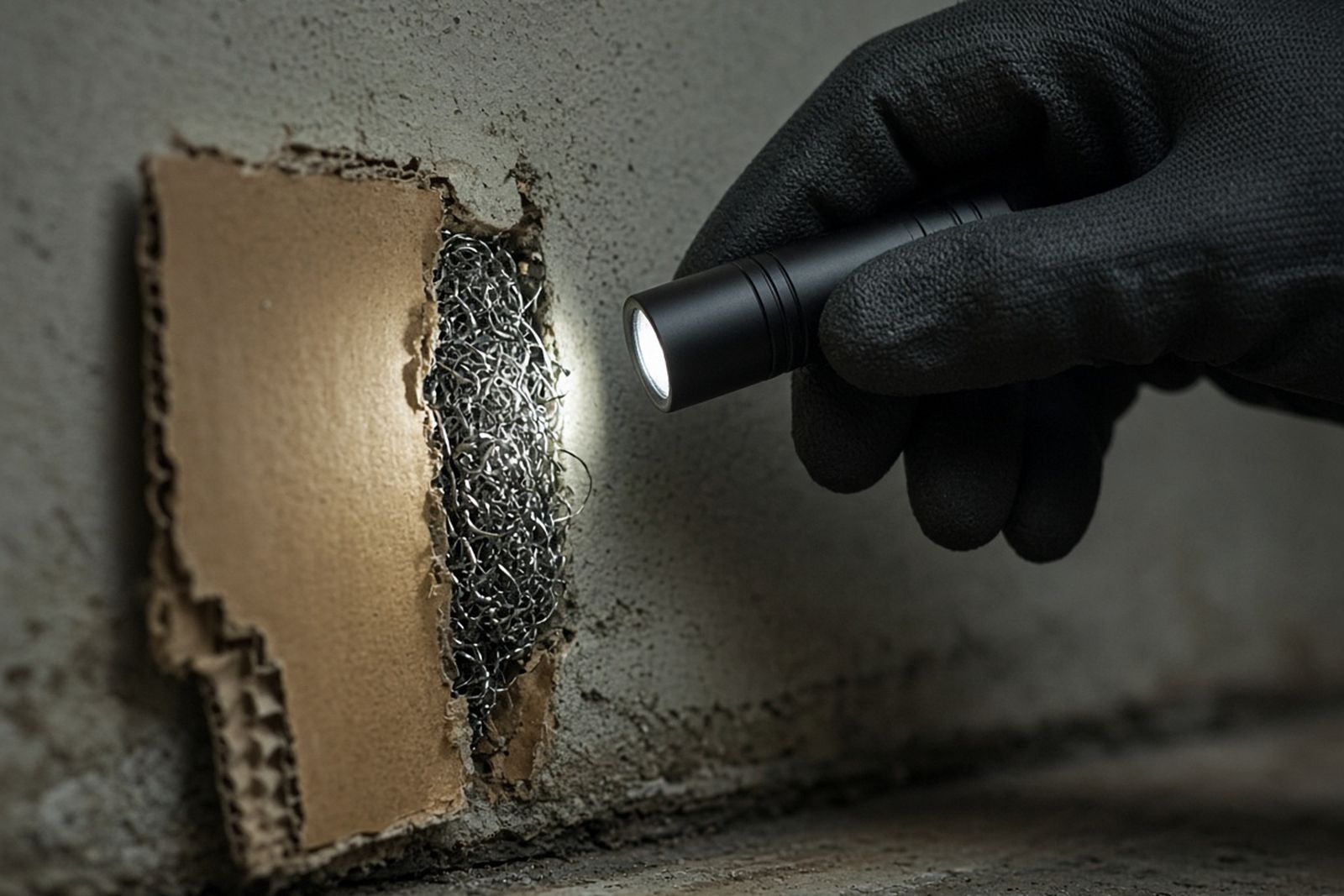
- Seal gaps around pipes, cables and vents with hardware cloth, metal flashing or rodent-resistant sealant.
- Repair door sweeps, torn screens and damaged soffits.
- Move firewood, debris and dense plantings away from the foundation.
- Store food, pet food and birdseed in sealed metal or heavy plastic containers.
How can disinfectants be used without overdoing it?
Disinfectant is essential for safe rodent cleanup, but more is not better. Choosing a product starts with the label. The US EPA reported in 2026 that more than 4,000 antimicrobial products containing about 275 active ingredients are registered with EPA and sold in the US, so there is rarely a reason to reach for anything harsher than a registered product whose label lists the use you need. Its dilution and contact time are measured, specific instructions, not a call to flood the room.
Mixing matters too. Bleach should never be combined with ammonia or acidic cleaners, which can release dangerous gases. Mix fresh solution for each job, label spray bottles, and follow the product label for any registered disinfectant.
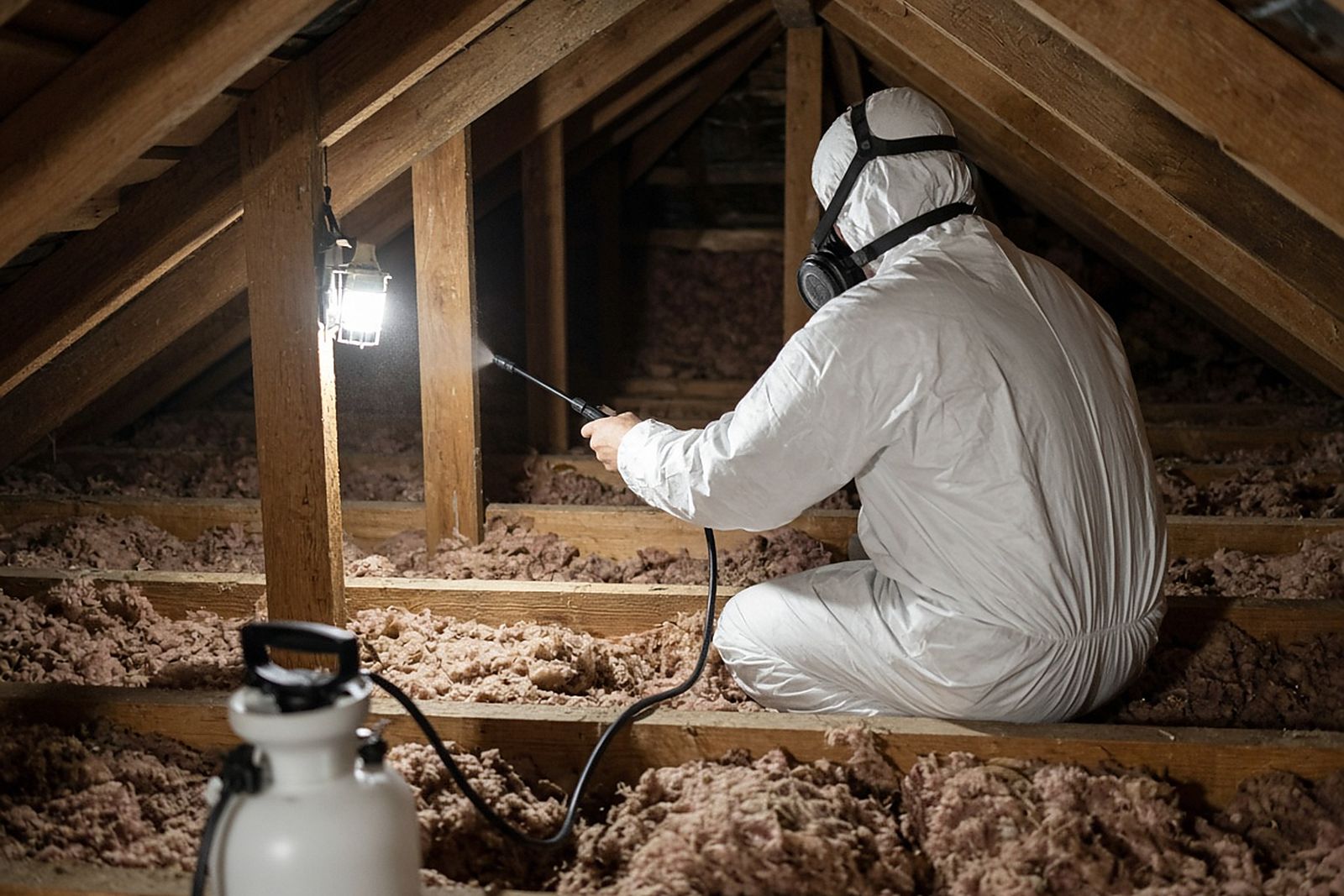
Apply enough to keep droppings and nesting material visibly wet for the full contact time, and no more. Overspraying soaks porous materials that may not need to be removed, damages finishes and sends extra chemical into the waste stream.
Ventilation is part of using chemicals responsibly as well. Opening windows and running fans that exhaust outdoors, once the initial airing-out period is complete, keeps bleach fumes from building up for the crew and for anyone who returns to the space afterward.
Waste, wash water and removed insulation
Wetted droppings, nesting material, disposable towels, gloves and coveralls are typically double-bagged, sealed and placed with household or commercial trash where local rules allow. Some areas have specific requirements for larger volumes or for commercial jobs, so check with your city or county solid waste office before filling a dumpster.
Wash water from mopping floors or cleaning tools should go down an indoor drain connected to the sanitary sewer, never into a storm drain, yard or creek. Storm drains typically carry water straight to local waterways without treatment.
Dead rodents should be handled with gloves after spraying with disinfectant, then sealed in bags. Leaving carcasses outdoors can spread disease to pets and scavenging wildlife.
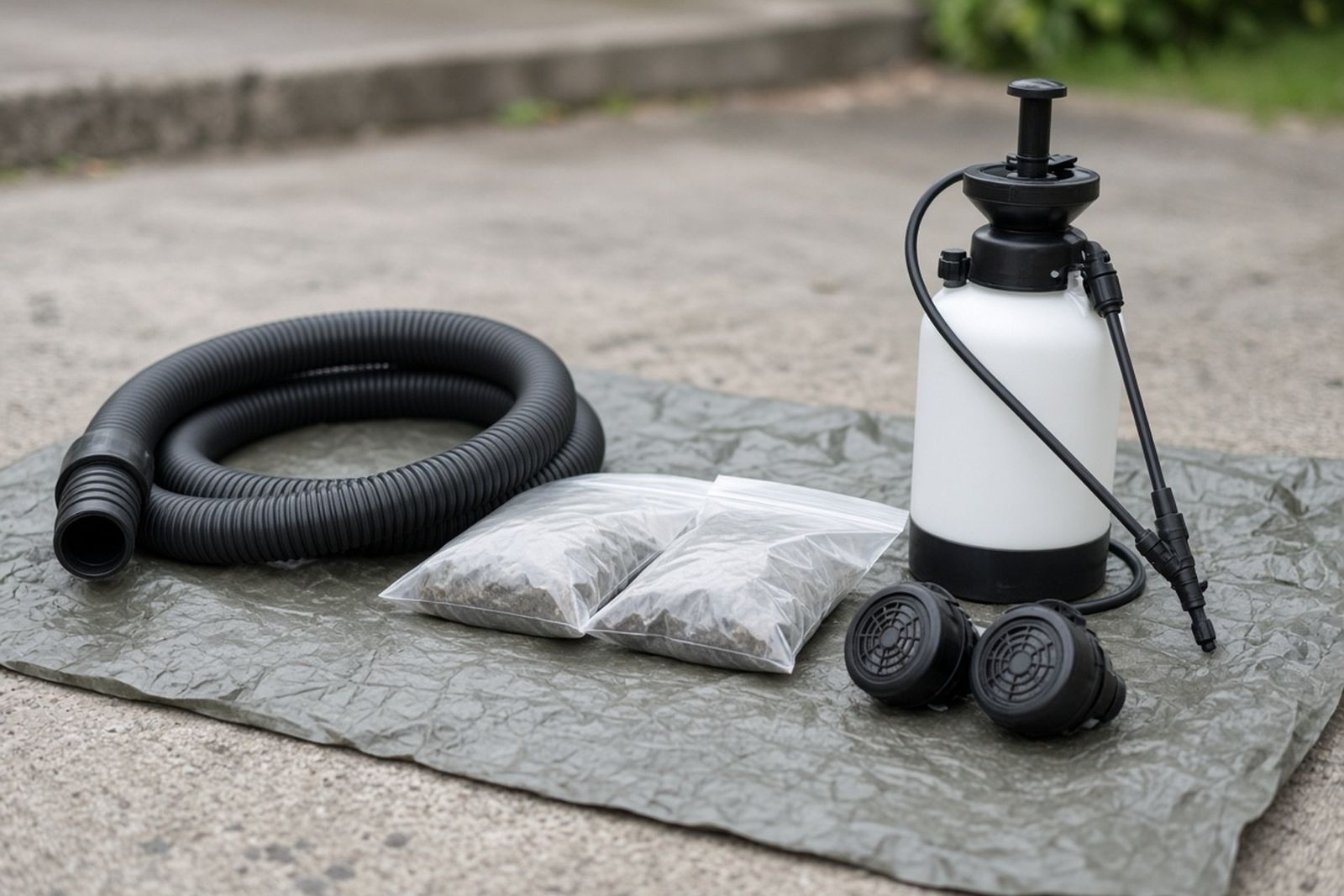
Reusable tools deserve attention too. Rubber boots, respirator facepieces, buckets and sprayers can be cleaned and disinfected after the job rather than thrown away. Disposable items are appropriate for the most contaminated tasks, but a crew that bags every tool after every job is creating waste without improving safety.
Attic cleanup can produce large volumes of soiled insulation. Fiberglass and cellulose that are heavily contaminated with droppings and urine usually cannot be salvaged. They are bagged in heavy-duty sacks, often with a vacuum designed for insulation removal, and taken to a landfill or transfer station that accepts them.
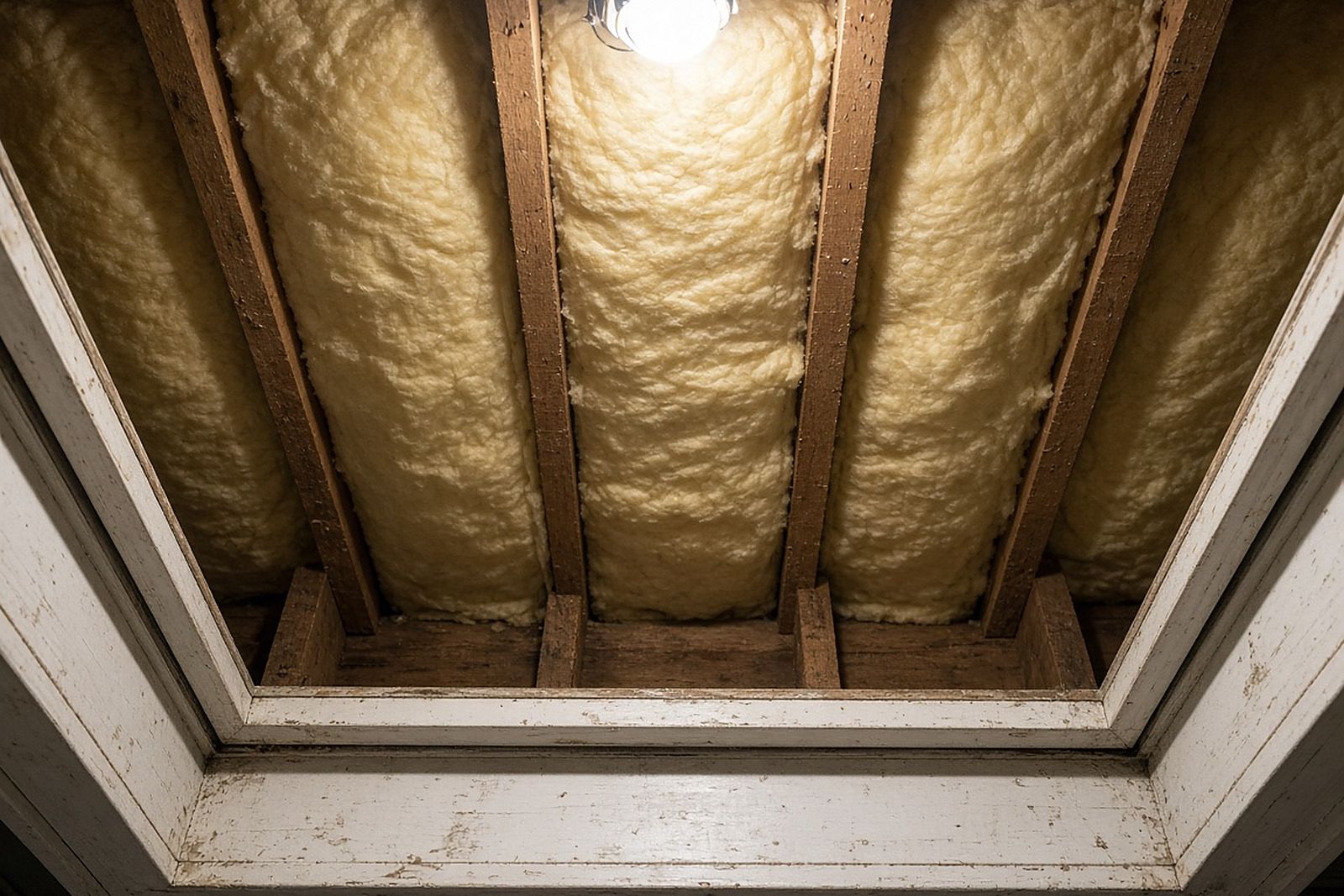
You can reduce future waste through the choices you make at replacement. Sealing attic bypasses and entry points before new insulation goes in makes a repeat infestation less likely. Some homeowners also choose insulation types that are less attractive for nesting, although no insulation is rodent-proof on its own.
Removing only what is truly contaminated also matters. A careful assessment that separates heavily soiled areas from lightly affected ones avoids sending good material to the landfill.
Pets, owls and other wildlife
Pets are at risk from bait, from contaminated areas and from the disinfectant itself. Keep dogs and cats out of work zones until surfaces are dry and the crew says the area is ready.
Outdoors, bait stations should be tamper-resistant and placed where children and pets cannot reach them. If you see a pet or wild animal eating bait or a rodent that may have been poisoned, contact a veterinarian or local wildlife authority promptly.
Consider wildlife that may be nesting in the same spaces. Bats, birds and other animals sometimes share attics with rodents. Some are protected, and sealing them in or out at the wrong time can harm them. A pest professional familiar with local wildlife rules can help plan exclusion timing.
Gardens and compost piles can draw rodents close to the house. Keeping compost in closed bins, harvesting fallen fruit and cleaning up spilled birdseed reduce the food supply without any chemicals at all.
Properties near farmland, woods or open fields often have barn owls, hawks or foxes hunting nearby, and many owners value them for natural rodent control. If that describes your place, tell your pest control operator at the first visit and ask them to avoid anticoagulant baits outdoors.
The alternative plan is straightforward: enclosed snap traps indoors, sealing gaps around plumbing, dryer vents and damaged soffits, and a wet cleanup of the attic and pantry with a measured disinfectant solution. Wash water goes down an indoor sink, bagged waste goes to the transfer station, and new insulation goes in only after attic bypasses are sealed. Keeping feed and birdseed in sealed bins and checking the house each fall before cold weather keeps the predators hunting in the fields instead of eating poisoned prey.
How do I tell whether a droppings cleanup company takes environmental care seriously?
Environmental care should be part of an ordinary conversation with any provider, not a premium add-on. A few questions will show you whether the company has thought about it.
A provider who answers these confidently is usually one who also takes worker safety and documentation seriously.
- Will you rely on exclusion and traps first, and when would you use bait?
- Which disinfectant will you use, and how will you mix and apply it?
- Where will bagged waste and removed insulation be taken?
- How will you handle wash water?
- How will you protect pets and non-target wildlife during the work?