Rodent & Pest Droppings Remediation: Industry Insights
How rodent & pest droppings remediation companies work, how homes and businesses differ, and what new tools can and cannot do.
Industry posts explain how droppings cleanup fits among pest control, wildlife removal, restoration, and insulation work. Articles look at how the trade has moved away from quick insulation swaps. It has moved toward wet methods and air filters and plastic walls that keep dust inside the work area. Posts show how business jobs in warehouses and restaurants differ from home attics. They also cover what property managers should know about repeat rodent problems across many buildings. Other posts cover safe disposal of large amounts of insulation. They explain how to build a work plan you can defend, with each task tied to what was found. You will also read about caring for the environment, including how some crews cut waste by saving clean insulation where it makes sense.
Get an email reply about rodent & pest droppings remediation
Send a short message to the follow-up inbox. A coordinator can reply by email. This form does not send emergency help; call 911 first if anyone is in danger.
This background helps you see why quotes and methods vary so much. The work sits between trades. One company may do everything, or it may hire others for parts of it. Marketing often blurs those lines. Knowing how these businesses fit together helps you ask the right questions. Who is responsible for each step? Who will come back if droppings return? Does the setup behind the brand actually serve you? It also explains why some companies offer warranties tied to gap sealing and others do not. When you know how those promises work and what terms they carry, you can compare offers more fairly. You also avoid assuming coverage that the fine print does not really give.
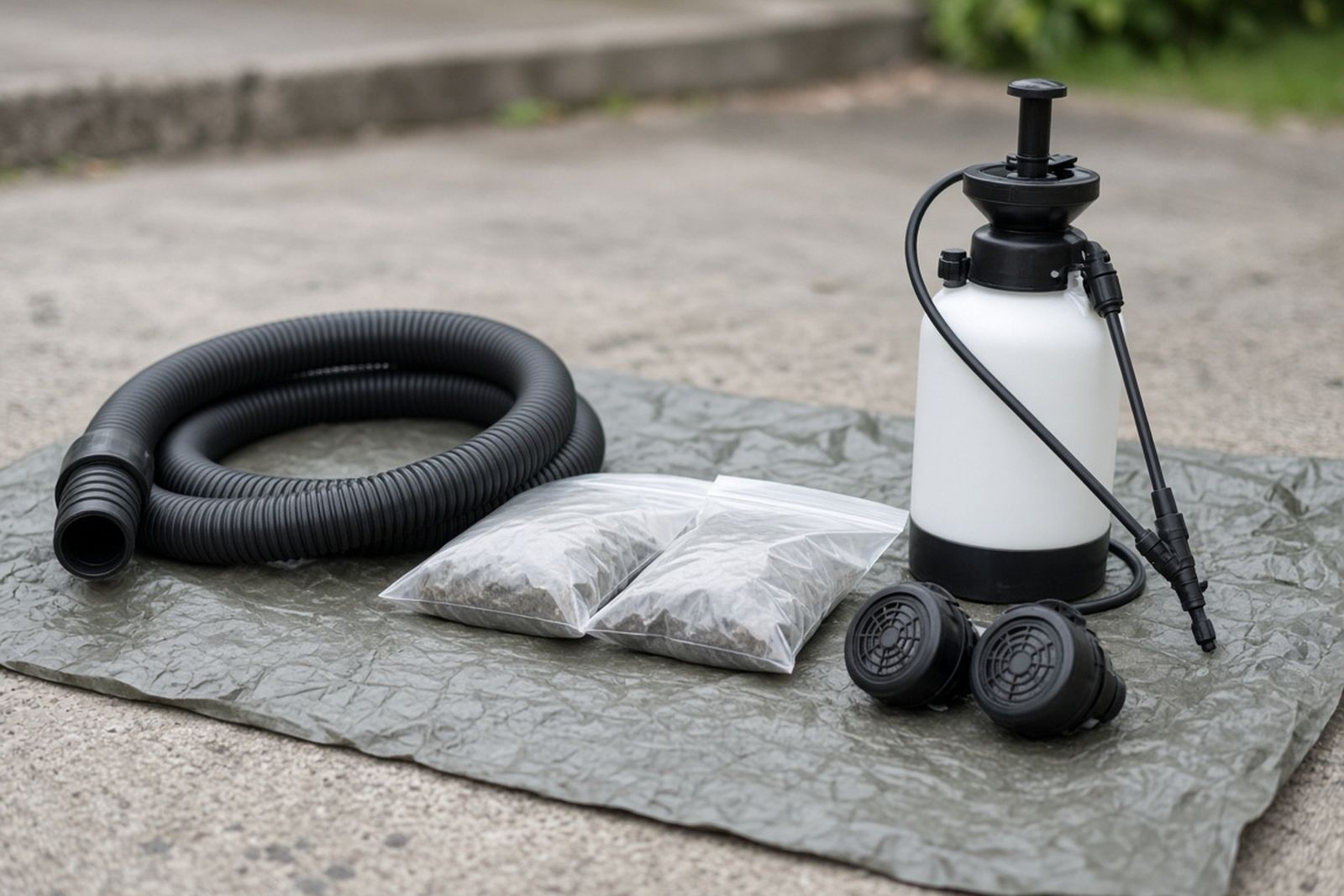
How Rodent & Pest Droppings Remediation Practice Has Changed
Rodent cleanup went from a broom and dustpan to wet disinfection, HEPA respirators, and sealed entry points. See how it changed and why that matters for your home.
Rodent droppings cleanup used to be a simple sweeping chore. Three things changed it: the discovery of hantavirus in the United States, research on mouse allergens and asthma, and a move away from poison-only pest control toward sealing rodents out. Today a good crew wets and disinfects before removal. It wears respirators with HEPA filters for heavy messes, removes soiled insulation, and seals your entry points.
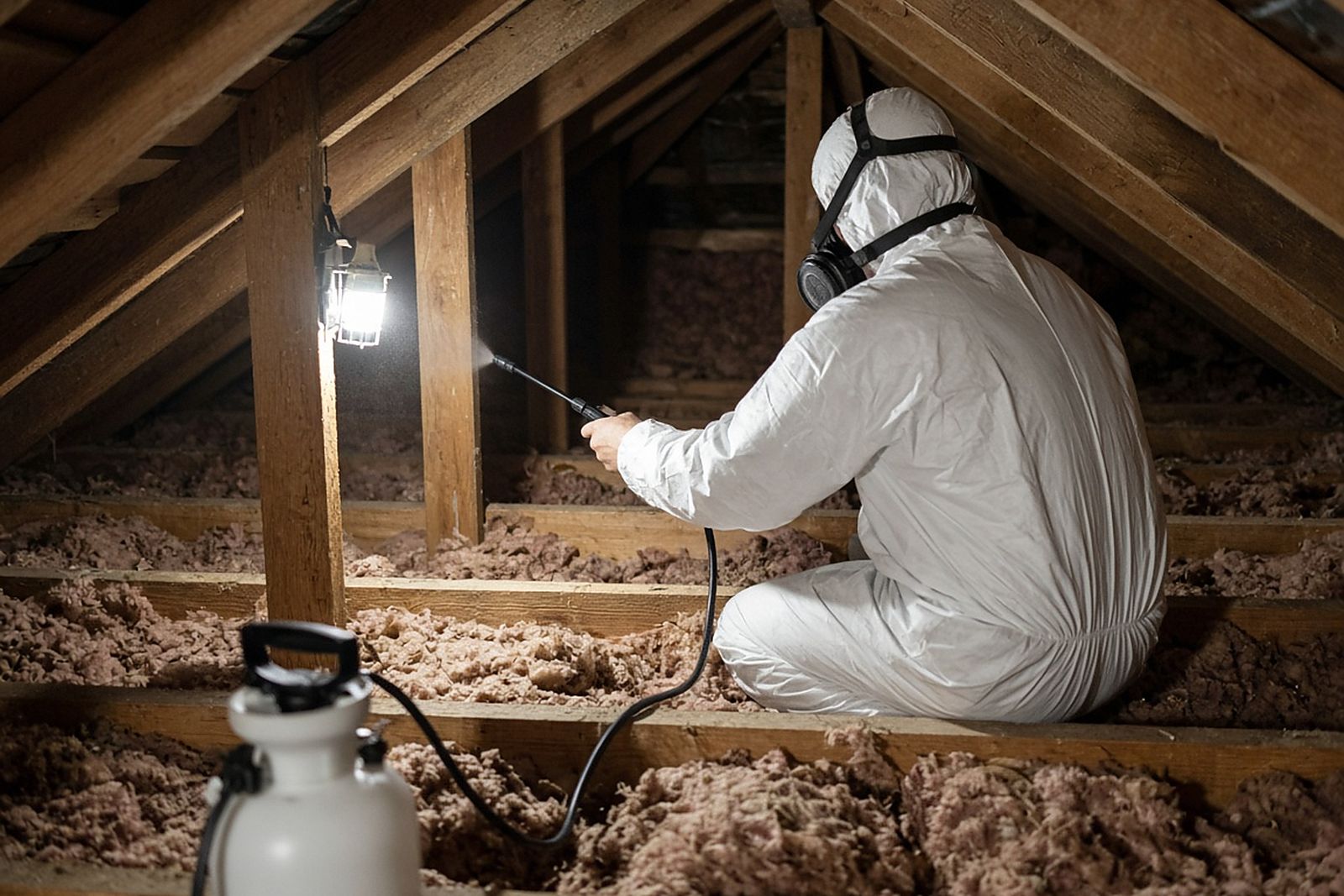
Rodent & Pest Droppings Remediation for Property Managers: What You Need to Know
Rodent droppings in units, attics and trash rooms land on your desk as the property manager. Learn how to line up sealing work, safe cleanup and tenant notices.
As the property manager, you usually coordinate rodent problems across units and common areas. Pair pest control with sealing of entry points. Make sure droppings and nests are cleaned with wet methods, never swept. Decide when soiled insulation or stored goods must go. Keep tenants informed and record each step. Rules on livable housing differ by state and county, so check your local requirements.
Rodent & Pest Droppings Remediation Planning Example: Building a Defensible Scope
A hypothetical mountain cabin has deer mouse droppings in the attic, kitchen and crawlspace. See how its owners get a cleanup plan in writing, and how you can check yours.
A good written work plan ties the cleanup to proof that the rodents are gone and the entry points are sealed. It names each affected area. It says which materials will be cleaned and which removed. It spells out the wet disinfection methods and protective gear, and lists the records you will get. This hypothetical cabin example walks through each choice so you can ask the same questions about your own property.
Commercial vs Residential Rodent & Pest Droppings Remediation
Mouse droppings in your pantry and rat droppings in your restaurant or warehouse need different plans. See how home and business rodent cleanup compare.
The cleaning method is the same in a home and a business: wet the droppings with disinfectant, then remove them. The planning is what differs. At home, you decide, and the work centers on your living space, attic, crawlspace and stored things. A business adds food safety rules, worker protection, bigger spaces, staying open, and records for inspectors, landlords or clients.
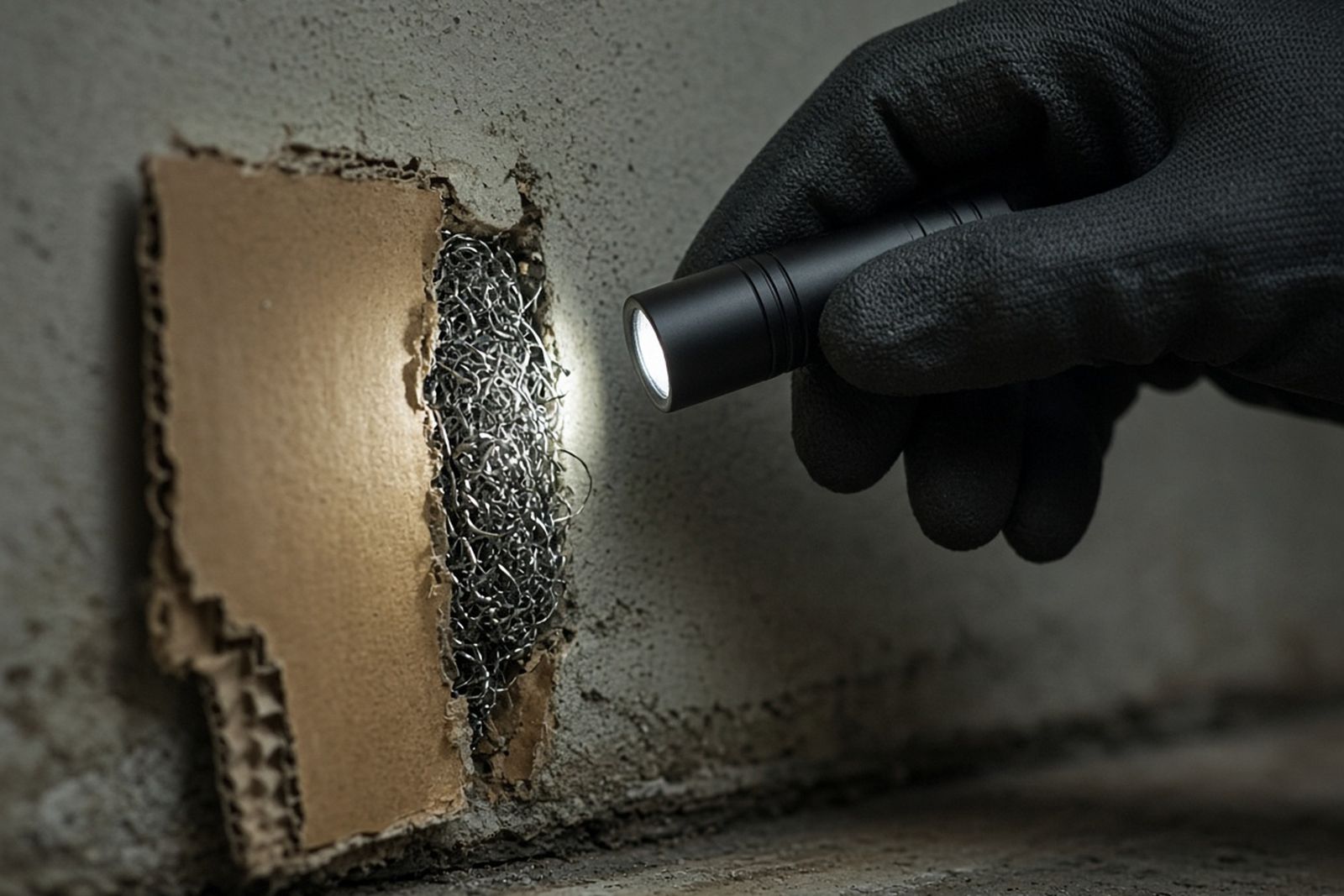
Environmental Responsibility in Rodent & Pest Droppings Remediation
Rodent cleanup can protect your home without harming owls, pets or waterways. Learn how sealing gaps, careful disinfectant use and proper waste handling fit together.
Yes, rodent cleanup can be done with care for the environment. A good plan seals entry points and uses traps before poison. It uses disinfectant at the right strength, without overdoing it or mixing chemicals. Soiled material is bagged and thrown out properly, wash water stays out of storm drains, and removed insulation is replaced with sensible materials. You end up with a clean, sealed building and no new hazards for pets, wildlife or water.
Facts worth knowing
About 35 percent of hantavirus infections reported to the CDC in the United States since 1993 ended in death.
Why it matters: The illness is rare but serious, so protect yourself during rodent cleanup and tell your doctor about any exposure if you get sick.
In a national survey of 831 US homes, homes with reported rodent problems were more likely to have high levels of mouse allergen.
Why it matters: If someone in your home has asthma or allergies, ask whether cleanup removes droppings and contaminated dust, not only the rodents.
In English home surveys from 1996 to 2010, homes with litter or drain faults showed more signs of rodents.
Why it matters: Clearing litter and fixing broken drains around your property may help keep rodents from returning after a cleanup.
Industry Insights: common questions
Why do some companies call themselves wildlife control and others remediation?
Wildlife control companies focus on removing animals and keeping them from getting back in. Cleanup companies focus on the waste the animals leave behind. Many firms do some of each, and the labels are not regulated in a consistent way. Whatever a company calls itself, ask which tasks it does itself and which it hands to partners.
How do commercial droppings jobs differ from residential ones?
Business jobs in warehouses, restaurants, and offices often involve food safety inspectors and business hours. They also involve stored goods and bigger ceiling areas. Work may be done in stages around opening hours, and the need for records is usually higher. Home jobs center on attics, crawlspaces, and family belongings. There, the main focus is keeping dust out of the living space.
What should property managers track for buildings with repeat rodent problems?
Keep records of each rodent problem. Note where it was, what gaps were found, what work was done, and who did it. Patterns across units or seasons can point to shared problems. Examples are where the dumpster sits or gaps along a foundation. Clear records also help when you discuss who is responsible with tenants, owners, or insurers.
Why do some companies focus only on attics?
Many home rodent problems center in attics, and removing insulation makes up a large share of that work. So some companies focus there and buy gear like insulation vacuums. Others cover attics, crawlspaces, garages, and business spaces. A focused company may do attic work very well but send other areas to someone else. Ask which spaces the company handles often before you assume it covers everything.
How are insulation contractors and remediation companies connected?
Some cleanup companies put in new insulation themselves. Others team up with insulation companies. Many insulation companies also offer removal. This overlap can be handy, but it may give a reason to push full replacement. Ask whether the advice is based on how soiled the insulation is or on what is easier. Think about getting a second opinion if the plan seems bigger than the problem you see.
Is rodent remediation work growing as an industry?
More people now know about the health risks and allergies linked to rodents. That has raised demand for special cleanup. Many pest control and restoration firms have added it to their services. Growth gives customers more choices, but quality also varies more. That is why it matters more to ask about methods, safety gear, and records than to check whether a company advertises cleanup.
What role do home inspectors play in rodent problems?
Home inspectors often find signs of rodents when a home is being sold. They note droppings, damage, or gaps in their reports. They usually do not do cleanup or seal gaps. But their findings can lead buyers and sellers to call in a pest or cleanup company. If you are buying a home with rodent signs in the report, get an estimate from a cleanup company before closing.
Related community polls
Vote to see how other people answered. You can change your answer at any time.
If you found droppings across your attic insulation, what would you most likely do?
How well do you understand the hantavirus risk from rodent droppings?
More on rodent & pest droppings remediation
Rodent & Pest Droppings Remediation services
See how wet cleanup, attic and crawlspace work, bat droppings, sealing gaps, and insulation choices fit together after rodents move in.
Costs explained
What drives the price, published cost ranges, and how to read a written quote line by line.
Insurance and payment
Which policies may respond, how to document a claim, and what to do if coverage is denied.
Planning tools
Use the risk check, planner, cost estimator, vetting questions, claim organizer, and waste guide built for droppings in attics and crawlspaces.
Community polls
See how other homeowners and landlords handle attic droppings, new insulation, and the choice between cleaning up themselves or hiring help.
Knowledge quiz
Check whether you know why dry sweeping is dangerous, when insulation must go, and why sealing the gaps comes first.