Free rodent & pest droppings remediation tool
Rodent & Pest Droppings Remediation Cost Range Estimator
Set the affected area, surface types, severity and extras to see an educational cost range and the factors that move it.
Cleanup costs depend on how much waste there is, how easy the space is to reach, and what has to leave the building. A few pellets on a garage floor is a short job. It takes a wetting spray, a filtered vacuum, and a disinfectant. An attic where loose insulation has soaked up urine across the whole floor is a much bigger job. It means walling off the area and hours of removal in a hot, cramped space. The insulation must be bagged and hauled away, and the wood cleaned and treated. The work must also be planned with the teams that seal gaps and add new insulation. This estimator asks you to describe the area and the surfaces. Surfaces may be hard, like concrete and metal. They may be mixed, like wood with some insulation. Or they may be soft, like loose insulation and stored fabric. It also asks how bad the mess is and about extras. Extras include after-hours work, several spaces, odor treatment, or removing parts of the building.
The result is a rough range for learning, with the cost drivers spelled out. Soft materials raise the range because they must be removed and thrown out, not cleaned. Tight attics and crawlspaces add labor time. Odor treatment shows up when urine has soaked into wood or drywall. In those cases, removing the soaked material alone will not fix the smell. Removing parts of the building covers roof boards, subfloor, or drywall that cannot be saved. The tool also lists what a written quote should spell out. Which areas are removed and which are cleaned in place? How will living spaces be protected? Is sealing the gaps included or handled by someone else? Will you get photos of the cleared space? Real prices depend on local labor, dump fees, and what a company finds on site.
How to use it
- 1Pick the size of the affected space. It can range from one corner or a car interior to a full attic, crawlspace, or empty home.
- 2Mark the surface types. Choose soft whenever soiled insulation, stored fabric, cardboard, or mattresses are part of the mess.
- 3Rate how bad it is by how thick the droppings are, whether there are nests or dead animals, and how strong the urine smell is.
- 4Add any extras that apply. Then read the cost drivers and the list of items a written quote should cover.
Prefer to ask a person?
Your request is sent to the follow-up inbox. A coordinator can reply by email. Not for emergencies; call 911 first if anyone is in danger.
Estimate a cost range
Rodent & Pest Droppings Remediation cost range estimator
Educational only. Real pricing needs an on-site assessment and a written scope. Insurance coverage is decided by your carrier, not by this tool.
Educational range: $3,000 – $5,000
Scaled from a published reference range (typical biohazard cleanup project, national) reported by Fixr (2025). Your region, provider and the actual findings on site can move the real number outside this range.
Cost level: Mid range.
None of the big cost multipliers are selected. Minimum service charges, travel and waste fees still apply.
Ask every quote to itemize labor, containment, product, waste disposal, verification sampling, and any rebuild, and to state what is excluded.
A worked example
Picture a made-up homeowner who goes into the attic to run a cable. He finds the loose insulation near the roof edge dotted with droppings. A shredded nest is tucked against the chimney. A sharp ammonia smell gets worse toward the back of the house. In the estimator, he picks a large area, since the attic covers the whole house. He marks the surface as soft because the insulation is loose. He rates it as heavy because of the nest, the smell, and waste in more than one spot. He checks the odor treatment extra, since the smell has reached the upstairs hall. He leaves after-hours unchecked. The tool gives a range. It explains that removing and hauling off the insulation is the biggest cost. Treating the wood for odor and walling off the living space come next. The quote checklist prompts him with questions. Will the company work with a pest company to seal gaps before removal? Are photos of the cleared space included? How will the hatch be sealed during work? Is new insulation quoted separately? He goes into his first call with fair expectations and a list of questions.
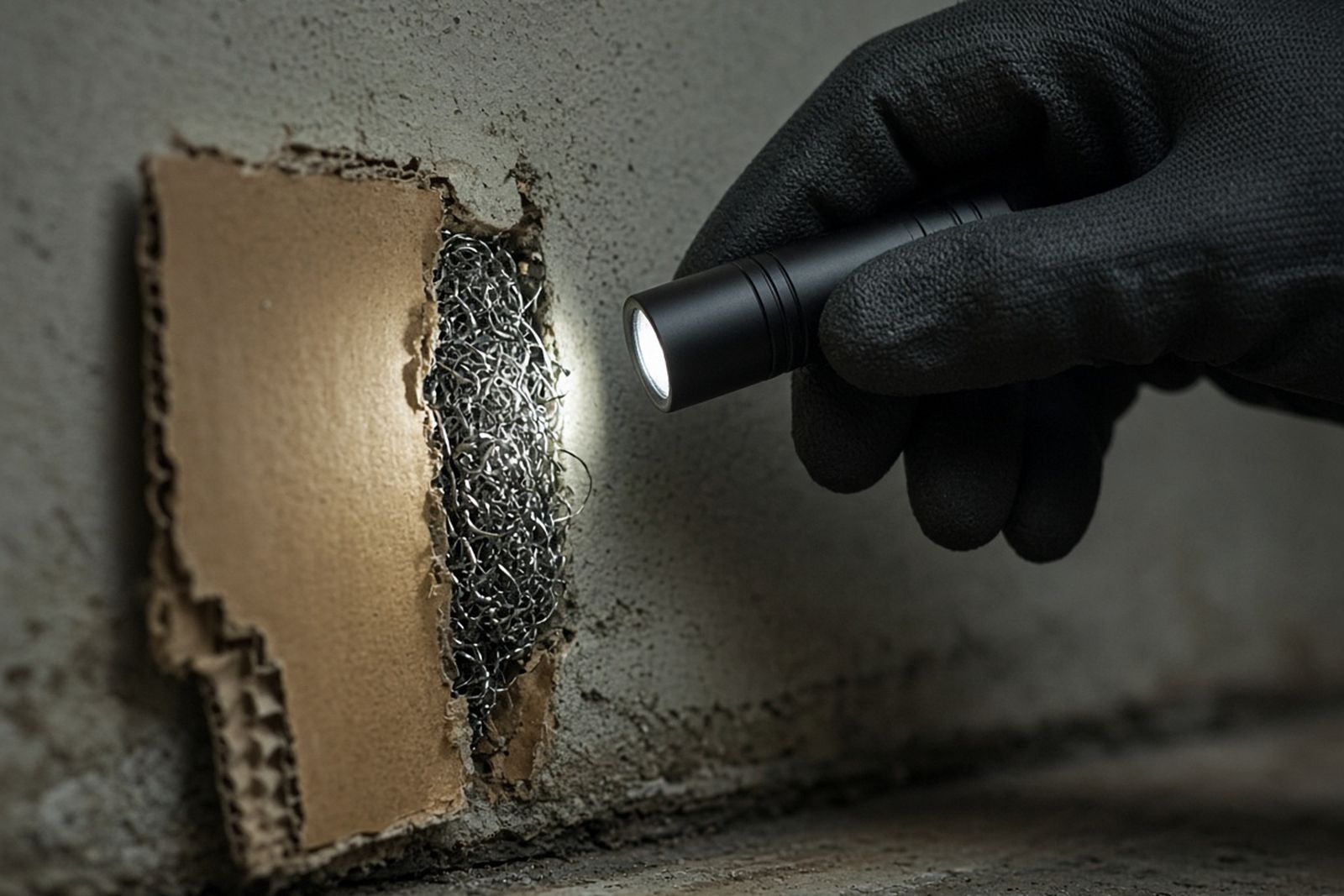
Numbers behind cost estimator decisions
- $2,100
Insulating an attic costs about $2,100 on average ($1,700 to $2,500), and removing old insulation runs $1 to $1.50 per square foot, according to HomeAdvisor.
Read with care: Figures are for standard insulation work; contaminated insulation may require hazardous-waste handling that raises the removal price.
Source: HomeAdvisor (2026)United States, HomeAdvisor cost data, updated June 20, 2026
- $1.50 per sq ft
Attic cleaning costs most homeowners about $438, and rodent decontamination adds roughly $1.50 per square foot plus about $200 to deodorize and disinfect, per Thumbtack data.
Read with care: Marketplace averages vary widely by attic size, contamination level, and whether insulation must be removed.
Source: Thumbtack (2026)United States, Thumbtack marketplace pricing, updated March 31, 2026
- $395
Professional rat extermination costs an average of $395, with most homeowners paying between $189 and $655, according to HomeAdvisor cost data.
Read with care: Covers extermination only; contamination cleanup, exclusion sealing ($200-$600), and insulation replacement are priced separately.
Source: HomeAdvisor (2026)United States, HomeAdvisor member project cost data, updated June 2026
- Civil Code 1941.1
California Civil Code 1941.1 requires landlords to keep rental premises free from accumulations of debris, filth, rubbish, garbage, rodents, and vermin as a condition of habitability.
Read with care: Applies only to California; other states set habitability rules through their own statutes or case law.
Source: California Legislative Information (2024)California residential rental housing, statutory habitability standard
These figures are public research and agency data, not this network's own job records. Keep each number with its population, year and limits; none of them predicts cost, timing or outcome at a specific property.
Cost Range Estimator questions for rodent & pest droppings remediation
Why does porous insulation push the estimate up so sharply?
Insulation that has soaked up urine cannot be cleaned. It has to be wetted, removed, bagged, carried out, and thrown away. Then the bare wood has to be cleaned and treated. That is several separate stages of labor, plus a lot of waste to haul. Hard surfaces like concrete and metal can be cleaned and disinfected in place. They take far less time and need no removal. That is why they set the low end of the range.
Does the range include new insulation after the contaminated material is removed?
No. New insulation is a separate repair step, usually done by an insulation company. Its cost depends on the type and depth you choose. The estimator covers cleanup only. That means walling off the area, removal, cleaning, disinfecting, and disposal. Ask companies to quote the two jobs separately. Then you can compare cleanup plans fairly and keep the bills apart for any home file or claim.
Should I select structural removal for a crawlspace with a soiled vapor barrier?
Usually not. The plastic ground cover in a crawlspace is often removed and replaced as part of a normal cleanup. It does not need the extra for removing parts of the building. Pick that extra when subfloor, roof boards, drywall, or wood beams are so soaked or chewed that they must be cut out and replaced. If you are not sure, leave it unchecked. Note the concern for the company's site visit.
How should a landlord use the range for a vacant unit with droppings throughout?
Pick several spaces and describe the mix of surfaces honestly. A kitchen with hard counters and an attic with soiled insulation are different problems. Compare the cost drivers you see with each quote's line items. A quote that leaves out the attic or air ducts may be missing work. So may a quote far below the range. Ask what was left out before you treat a low number as a bargain.
Is the estimator relevant for a vehicle or RV with a nest inside?
Partly. Pick a small area and mixed surfaces. Rate how bad it is by whether the nest stays in the air box or spreads through ducts and seats. The cost drivers will reflect new filters and interior cleaning. But fixing chewed wires is outside the tool. Many cleanup companies work with a mechanic or detailer on car jobs, so ask how they handle that part.
Can I run the estimator separately for the attic and the garage?
Yes, and it often gives a clearer picture. Running each area on its own shows which one drives most of the cost. Then you can decide whether to hire out the harder space and do a simple concrete floor yourself. When you ask for quotes, have companies price the areas separately too. That makes it easier to compare their numbers with the ranges you saw here.
Why might a real quote land outside the range the estimator shows?
The estimator works only from the answers you give, and it cannot see hidden problems. Nests inside walls, chewed air ducts, damaged wires, a tight crawlspace door, or droppings spread farther than you thought can all push a quote higher. A smaller mess than you guessed can pull it lower. Treat the range as a planning guide. If a company's number is very different, ask them to walk you through the reason.
Related community polls
Every count is a real visitor vote; nothing is seeded or padded. One vote per poll per device, and you can change your answer.
If you found droppings across your attic insulation, what would you most likely do?
How well do you understand the hantavirus risk from rodent droppings?
Other rodent & pest droppings remediation tools
Provider Vetting Checklist
Fifteen questions to ask any remediation provider, a readiness score, and a copyable list of what is still unanswered.
OpenInsurance Claim Organizer
A guided checklist from finding the policy to tracking the carrier decision, with a printable summary of where the claim stands.
OpenFirst 24 Hours Planner
Tell the planner a few facts about the situation and get an ordered list of who to call, what not to touch, and what to photograph.
OpenWaste & Disposal Classifier
Five questions about the material point to the likely waste category and which authority to confirm the rules with.
OpenDIY or Call a Pro? Risk Check
Eight yes-or-no questions that produce a risk level and explain when professional help is the safer choice.
OpenMore on rodent & pest droppings remediation
Rodent & Pest Droppings Remediation services
See how wet cleanup, attic and crawlspace work, bat droppings, sealing gaps, and insulation choices fit together after rodents move in.
Costs explained
What drives the price, published cost ranges, and how to read a written quote line by line.
Insurance and payment
Which policies may respond, how to document a claim, and what to do if coverage is denied.
Community polls
See how other homeowners and landlords handle attic droppings, new insulation, and the choice between cleaning up themselves or hiring help.
Knowledge quiz
Check whether you know why dry sweeping is dangerous, when insulation must go, and why sealing the gaps comes first.
Articles and resources
Longer reads on nests in cars, rodents in empty homes, bat colonies in attics, and what a good cleanup plan should look like.