Short answer
A defensible rodent remediation scope ties cleanup to confirmed rodent control and exclusion, names each affected area, states which materials will be cleaned and which removed, specifies wet disinfection methods and protective equipment, and lists the records you will receive. This hypothetical cabin example walks through each decision so you can ask the same questions about your own property.
Why does a rodent cleanup need a written scope at all?
Rodent jobs tend to grow once someone looks closely. A few droppings in a kitchen drawer can lead to a nest behind the stove, urine-stained insulation in the attic and a crawlspace full of old bedding material. Without a written scope, it is hard to know what you agreed to, what was done and what was left for later.
A scope is defensible when an outsider could read it and understand the plan: an insurer, a buyer's inspector, a health department official or a future contractor. It should connect each task to a reason.
The example that follows is invented for teaching. The cabin, the owners and the findings are hypothetical, and nothing in it describes a real price, timeline or result.
The cabin and what the owners found
Picture a two-bedroom mountain cabin used a few weekends each season. It sits on posts over a vented crawlspace, has a small unfinished attic above the bedrooms, and is surrounded by forest and a woodpile.
The owners arrive after winter and find droppings on the kitchen counter and in the silverware drawer, a shredded paper towel nest under the bathroom sink, and a musty smell in one bedroom. Through the attic hatch, they can see droppings scattered on the insulation. The crawlspace door is partly off its hinges.
Rural cabins like this are the kind of building where deer mice, the main North American carrier of hantavirus, are commonly found. The owners do not know whether the mice are deer mice or house mice, and they sensibly decide not to start sweeping. They leave, call a remediation provider and ask for a written scope.
Control and exclusion come first in the scope
The first section of the scope makes cleanup conditional on control. The provider explains that cleaning while mice are still active would be wasted effort. The scope calls for a licensed pest control operator to trap the cabin and inspect the exterior before cleanup begins, with the remediation crew starting only after traps stay empty for an agreed period.
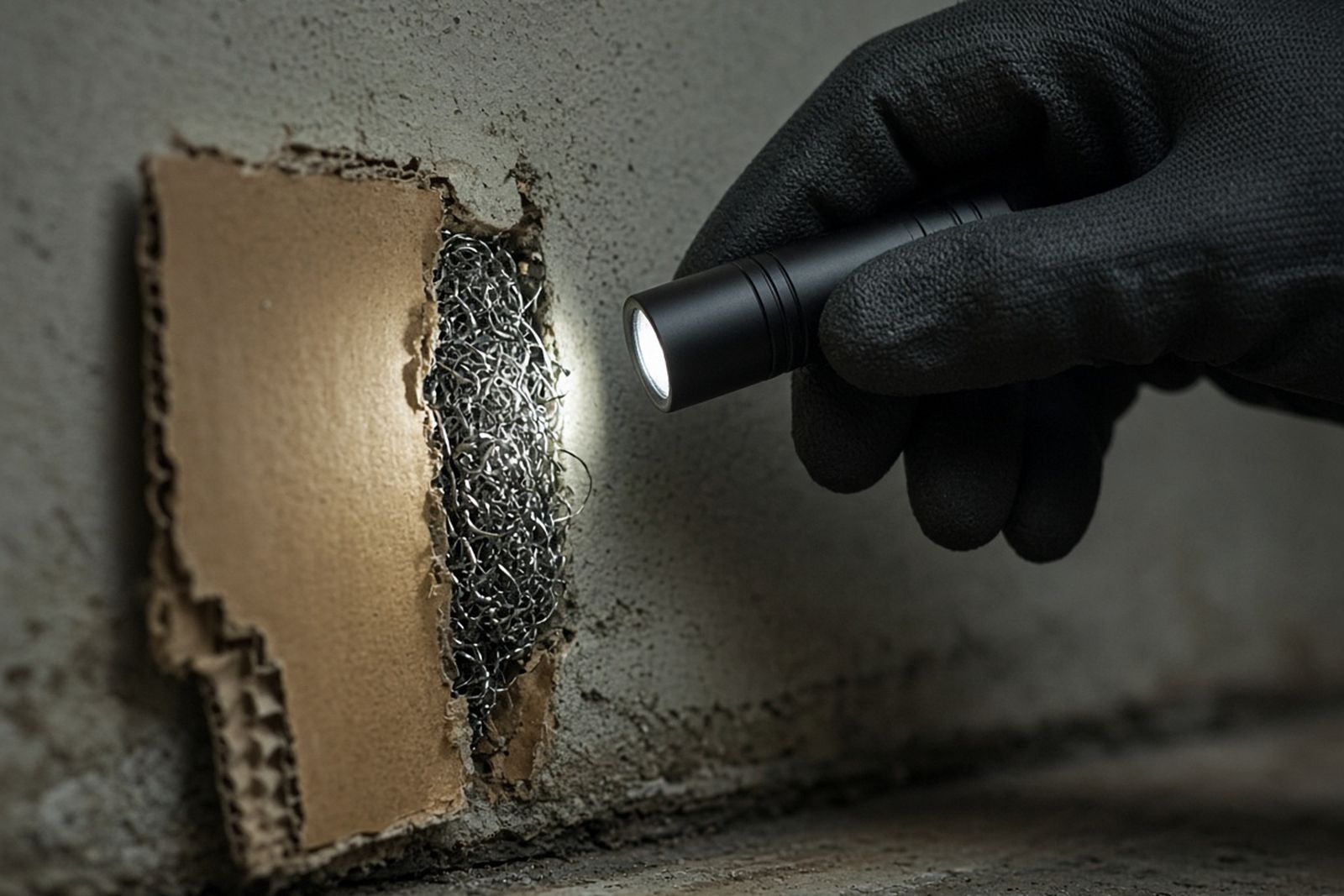
Exclusion is written in as its own task. The pest control operator will identify gaps around plumbing, vents, the crawlspace door, the chimney chase and the soffits, and seal them with durable rodent-resistant materials such as hardware cloth, metal flashing or sealant designed for the purpose. The owners also agree to move the woodpile away from the cabin wall.
The scope states who does what. In this example the pest control operator handles trapping and exclusion, the remediation provider handles cleanup, and the owners approve each phase in writing.
The scope also asks the pest control operator to note, where possible, what kind of rodent was trapped. Knowing whether the cabin had deer mice or house mice does not change the wet cleaning method, but it helps the owners understand their risk and choose sensible habits for future visits, such as airing the cabin before unpacking.
Zone-by-zone descriptions
Rather than a single line reading clean cabin, the scope breaks the building into zones and gives each a condition and a plan. That lets the owners compare the work to what they saw and lets the crew stage equipment correctly.
Separating zones also matters for protective equipment and containment. The attic and crawlspace, where droppings and nesting material are concentrated and air is still, get a higher level of respiratory protection than the living areas.
- Kitchen: droppings on counters and in drawers and cabinets. Wet disinfection and cleaning of all hard surfaces; discard of open food, paper goods and any utensils the owners choose not to keep.
- Bathroom: nest under the sink. Wet removal of nesting material; cleaning and disinfection of the cabinet; inspection of the pipe penetration.
- Bedroom with odor: search for a dead rodent or nest in closets, under the bed and behind baseboards; removal of the source if found.
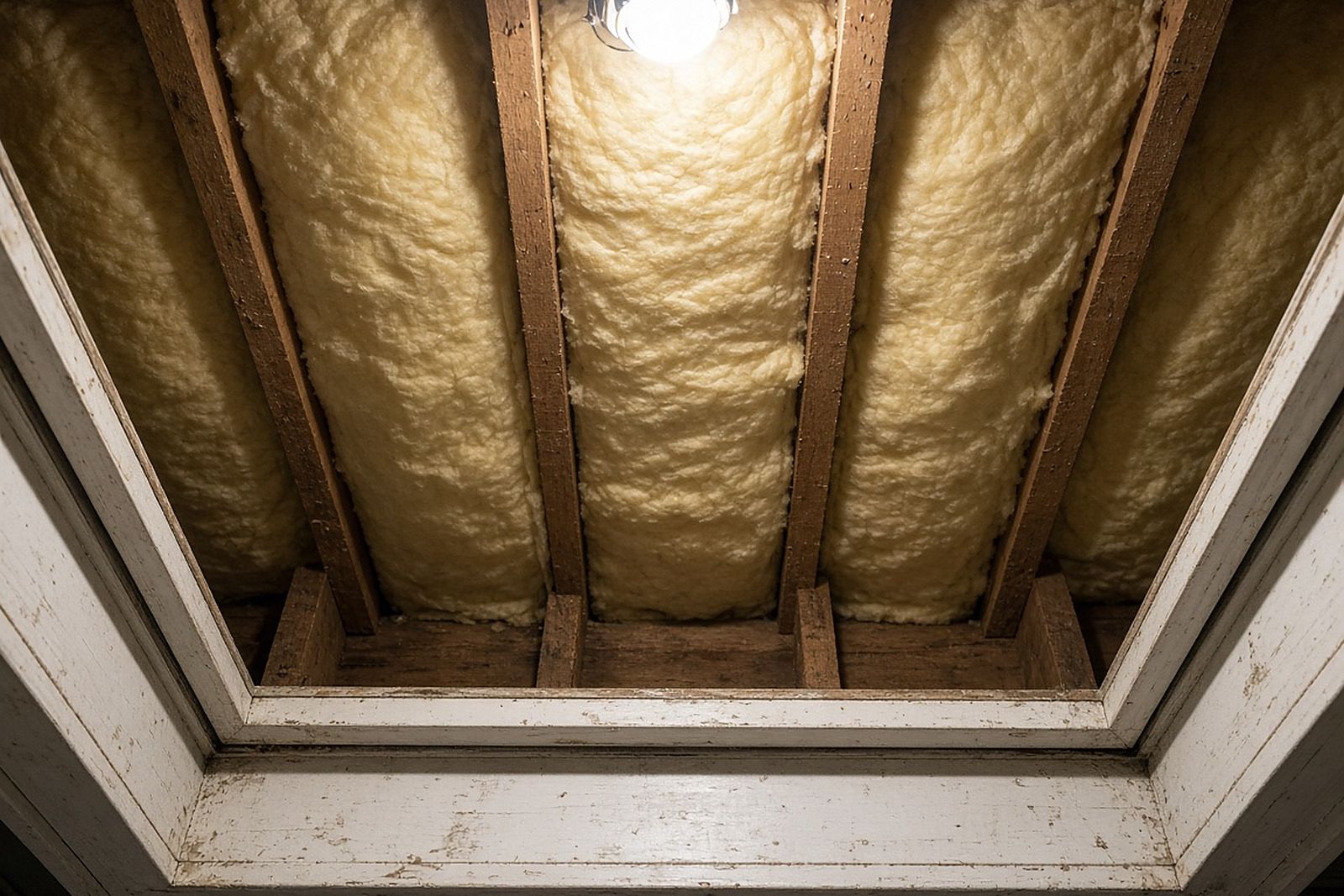
- Attic: droppings on the insulation. Assessment of whether the insulation can remain or must be removed.
- Crawlspace: assessment of vapor barrier, stored items and any nesting debris.
Required methods and protective equipment
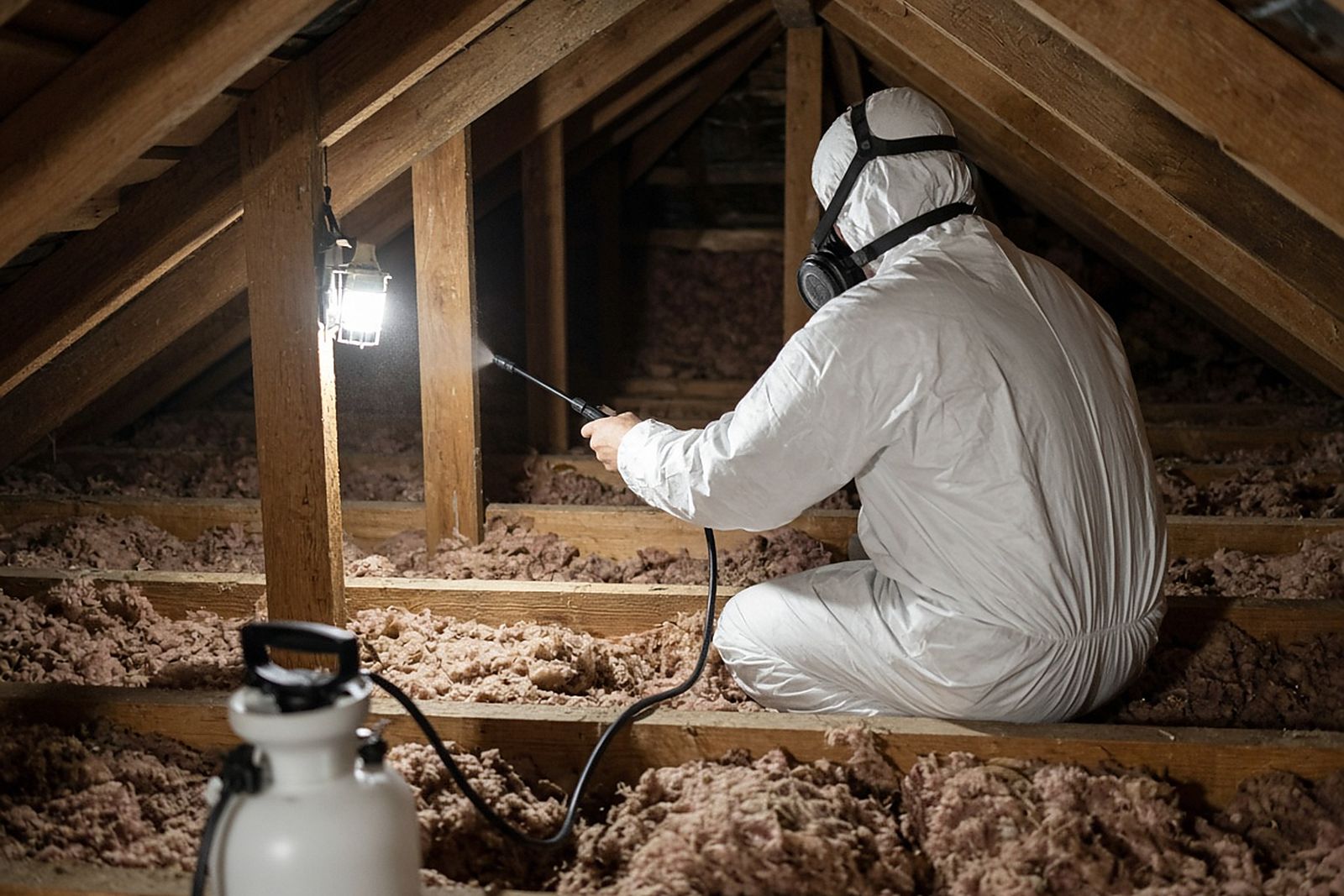
The scope specifies wet methods throughout. The crew will ventilate the cabin before work, then saturate droppings, urine stains and nesting material with disinfectant, allow the full contact time, and pick up the material with disposable towels into sealed bags. The scope makes airing out the cabin, with doors and windows open and nobody inside, the first step of every work day.
Dry sweeping and ordinary vacuuming are prohibited in the scope. If the crew uses a vacuum to remove insulation, it will be a unit designed and filtered for hazardous dust, used only after the material has been wetted.
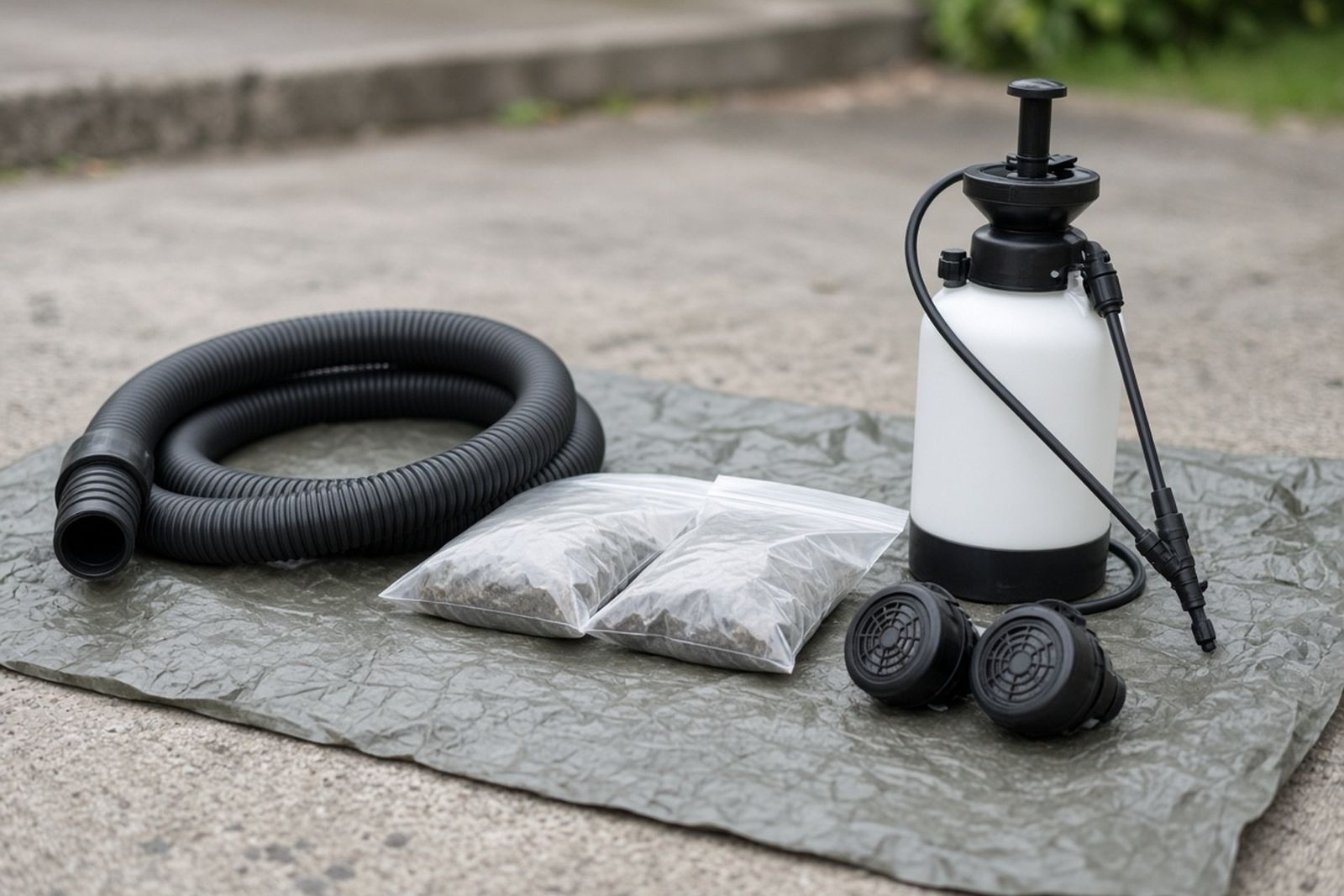
For the attic and crawlspace, the scope names the protective equipment: a half-mask air-purifying respirator with HEPA filters, plus coveralls, rubber boots, goggles and gloves. The provider notes that its technicians are fit-tested for their respirators and that disposable coveralls will be bagged before the crew leaves each work area.
How does the scope decide what to clean and what to remove?
This is where many disputes begin, so the scope explains its reasoning. Hard, sealed surfaces such as counters, tile, metal and finished wood are cleaned and disinfected. Porous materials that are heavily soiled, such as insulation matted with droppings and urine, cardboard, mattresses and upholstered furniture that mice nested in, are recommended for removal because they cannot be reliably decontaminated.
For the attic, the provider inspects first and photographs the insulation. In this example, droppings and urine staining are concentrated above one bedroom and around the hatch, while the far end shows little activity. The scope proposes removing and bagging the insulation in the affected half, disinfecting the exposed framing and ceiling surfaces, and leaving the rest after a close visual check. The owners can choose to replace all of it for uniformity, and the scope records that choice separately.
Stored belongings get their own list. The owners decide what to keep; the crew cleans hard items and bags soft items the owners choose to discard. Nothing personal is thrown away without the owners' sign-off.
Waste and odor
Bagged droppings, nesting material and soiled items are double-bagged and sealed. The scope states that, in this county, the provider has confirmed the waste can go with regular municipal trash once bagged, while bulky items such as insulation and a mattress will go to the transfer station. Owners elsewhere should put the same question to their own county solid waste office rather than assume the answer carries over.
Odor is addressed by removing its sources, not by covering them. The scope lists the bedroom odor as a find-and-remove task and notes that deodorizing products will be used only after the source is gone and surfaces are cleaned. If the smell persists, the crew will return to search further rather than apply more fragrance.
The crawlspace gets a short note of its own. If the vapor barrier is torn and littered with droppings, the scope calls for wetting and removing the debris, bagging the damaged sheeting and installing a new barrier once the ground and framing have been treated. If the barrier is intact, the crew cleans its surface in place. Either way, the crawlspace door repair is listed as an exclusion task so the space is not reopened to mice the week after the crew leaves.
What records should the owners receive when the job is done?
The final report is what turns a scope into proof. Here, the provider commits to a written summary with photos, delivered after the last visit.
The owners keep the report with the cabin's maintenance file. If they sell the property or file an insurance question later, they can show exactly what was found, what was done and why. They also schedule a brief inspection before the next winter to check that the exclusion work has held.
- Pest control records confirming trapping results and each sealed entry point.
- Before and after photos of every zone, including the attic and crawlspace.
- The disinfectant used and the contact time followed.
- A list of materials removed and where they were taken.
- Any areas that could not be accessed and why.
- Recommendations for ongoing prevention.
How can I apply this approach to my own home or building?
Your property will differ, but the structure of a good scope does not. Before you approve any rodent cleanup, ask the provider to answer each of the following in writing. If a provider resists putting the plan on paper, that tells you something too.
One last point about health. If anyone in the household develops fever, fatigue, muscle aches or shortness of breath in the weeks after rodent exposure, they should contact a healthcare provider promptly and mention the contact. The cleanup scope does not replace medical advice.
- Who is controlling the rodents and sealing entry points, and when will cleanup start?
- Which zones are included, and what condition is each in?
- What methods and protective equipment will be used in each zone?
- Which materials will be cleaned, which removed, and why?
- How will waste leave the property?
- What will the final report contain?