Rodent & Pest Droppings Remediation articles and resources
Deeper reads on scope, safety, insurance and hiring, written for property owners.
Longer reads on nests in cars, rodents in empty homes, bat colonies in attics, and what a good cleanup plan should look like.
Get an email reply about rodent & pest droppings remediation
Send a short message and get an instant email confirmation. A coordinator then replies by email. This form does not send emergency help; call 911 first if anyone is in danger.
Browse rodent & pest droppings remediation articles

Evidence-led educational articles about rodent & pest droppings remediation. Stay informed about safety standards, best practices, and what to expect from professional remediation.
What to Expect During Professional Rodent & Pest Droppings Remediation
From attic inspection to sealed entry gaps and fresh insulation, here is what happens step by step when a crew remediates rodent droppings a...
The Science Behind Rodent & Pest Droppings Remediation
Why rodent droppings are wetted, not swept, and why urine-soaked insulation often goes. The biology of hantavirus, allergens, and scent trai...
How Long Does Rodent & Pest Droppings Remediation Take?
Trapping, sealing gaps, soaking droppings, and replacing soiled insulation each add time. See how a rodent remediation timeline is built and...
How to Evaluate Equipment Proposed for Rodent & Pest Droppings Remediation
Respirators, low-pressure sprayers, insulation vacuums, UV lights, and chew-proof sealing materials: how to judge the gear in a rodent remed...
DIY vs Professional Rodent & Pest Droppings Remediation: The Critical Differences
A few mouse droppings under the sink versus a nest-filled attic: where careful DIY cleanup works, and where respirators, containment, and ex...
10 Rodent & Pest Droppings Remediation Safety Risks to Assess Before Work Begins
Airborne droppings, chewed wiring, hot attics, weak ceiling joists, and fleas: ten rodent droppings remediation risks to check before anyone...
OSHA Regulations and Rodent & Pest Droppings Remediation
No OSHA rule is written just for mouse droppings, yet respirator, PPE, and chemical rules still shape how a crew cleans an attic or crawlspa...
PPE Planning for Rodent & Pest Droppings Remediation: Start With the Hazard Assessment
A few droppings under a sink and a nest-filled attic need very different gear. See how rodent cleanup crews match gloves, respirators, and s...
What Drives Rodent & Pest Droppings Remediation Cost?
Attic droppings, soiled insulation, and hidden entry gaps all shape a rodent cleanup quote. Learn what drives the price and how to compare b...
Does Homeowners Insurance Cover Rodent & Pest Droppings Remediation?
Mouse droppings in the attic or chewed wiring in the walls? Learn why rodent cleanup is often excluded and which related losses may still be...
How to Compare Low and High Rodent & Pest Droppings Remediation Bids
Rodent cleanup bids often differ on insulation, sealing, and containment. Here is how to line up two droppings remediation quotes and spot w...
Which Federal, State, and Local Rules Apply to Rodent & Pest Droppings Remediation?
Rodent cleanup touches pesticide labels, applicator licensing, landlord duties, and local health codes. Learn which layer applies to your dr...
How to Research Waste Rules for Rodent & Pest Droppings Remediation
Where do soaked insulation, nests, and dead mice go after cleanup? Learn how to research local waste rules for rodent debris and what to che...
10 Questions to Ask Before Hiring a Rodent & Pest Droppings Remediation Company
Choosing a crew for attic droppings or nest cleanup? Ask these ten questions about wet cleaning, exclusion, insulation removal, warranties, ...
Red Flags When Hiring Rodent & Pest Droppings Remediation Services
Dry sweeping, no respirators, and promises of a virus-free attic are warning signs. How to spot a rodent droppings cleanup company that cuts...
Training, Documentation, and Credentials for Rodent & Pest Droppings Remediation
What training, licenses, and records should a rodent droppings cleanup crew have? Respirator programs, pest licensing, disinfectant labels, ...
Managing Stress and Disruption During Rodent & Pest Droppings Remediation
Scratching in the walls, droppings in the pantry, and a crew in your attic can wear you down. Ways to handle the stress, shame, and disrupti...
How Rodent & Pest Droppings Remediation Practice Has Changed
Rodent cleanup went from broom-and-dustpan chores to wet disinfection, HEPA respirators, and sealed entry points. How the practice changed a...
The Difference Between Cleaning and Disinfection in Rodent & Pest Droppings Remediation
With mouse and rat droppings, disinfecting comes before and after cleaning. Why the order matters, how contact time works, and what each ste...
Rodent & Pest Droppings Remediation for Property Managers: What You Need to Know
Rodent droppings in units, attics and trash rooms land on the property manager's desk. Learn how to coordinate exclusion, safe cleanup and t...
When ATP Testing Helps—and When It Does Not—in Rodent & Pest Droppings Remediation
ATP swabs can confirm a pantry shelf or countertop was cleaned after mouse droppings. They cannot detect hantavirus, allergens or nests hidd...
Rodent & Pest Droppings Remediation Planning Example: Building a Defensible Scope
A hypothetical mountain cabin with deer mouse droppings in the attic, kitchen and crawlspace shows how to write a rodent cleanup scope you c...
Urgent Rodent & Pest Droppings Remediation: What to Do Before a Provider Arrives
Just found heavy droppings, nests, or a dead rodent? Here is what to do right away to avoid stirring up dust, protect your household, and pr...
Commercial vs Residential Rodent & Pest Droppings Remediation
Mouse droppings in a home pantry and rat droppings in a restaurant or warehouse call for different plans. Compare residential and commercial...
Environmental Responsibility in Rodent & Pest Droppings Remediation
Rodent cleanup can protect your home without harming owls, pets or waterways. Learn how exclusion, careful disinfectant use and proper waste...
How to Evaluate Technology Used in Rodent & Pest Droppings Remediation
UV lights, thermal cameras, smart traps, foggers and air scrubbers all appear in rodent cleanup quotes. Learn how to judge which tools earn ...
Mental Health Resources During Rodent & Pest Droppings Remediation
Scratching in the walls, droppings in the pantry and worry about hantavirus can wear you down. Here is how to find support while a rodent pr...
When Enzymes or Microbial Products Fit Rodent & Pest Droppings Remediation
Enzyme cleaners can tackle lingering rodent urine odor in subfloors and concrete, but they come after disinfection and never replace wet cle...
How to Compare Local and National Rodent & Pest Droppings Remediation Providers
Local crews know regional rodents and building styles; national brands offer scale and standard reports. Compare rodent droppings cleanup pr...
Questions about rodent & pest droppings remediation?
If the articles did not answer your question, send a short message and a coordinator will reply by email.
You get an instant email confirmation, then a coordinator replies by email.
If anyone is hurt or in danger, call 911 first.
Rodent & Pest Droppings Remediation figures our articles draw on
- $395
Professional rat extermination costs an average of $395, with most homeowners paying between $189 and $655, according to HomeAdvisor cost data.
Read with care: Covers extermination only; contamination cleanup, exclusion sealing ($200-$600), and insulation replacement are priced separately.
Source: HomeAdvisor (2026)United States, HomeAdvisor member project cost data, updated June 2026
- 1:9 bleach, 5 minutes
CDC recommends disinfecting rodent droppings and urine with a solution of 1 part bleach to 9 parts water (1.5 cups per gallon) or an EPA-registered disinfectant, soaked for 5 minutes.
Read with care: Bleach solutions must be mixed fresh and used with ventilation; commercial disinfectants have their own label contact times.
Source: CDC (2024)United States public-health guidance for household rodent cleanup
- 5%
CDC estimates about 5 percent of house mice across the United States carry lymphocytic choriomeningitis virus, and 2 to 5 percent of urban residents show evidence of past infection.
Read with care: Prevalence varies by location, and LCM is usually mild with mortality under 1 percent, though it is dangerous in pregnancy.
Source: CDC (2014)United States house mouse population and urban human seroprevalence, CDC estimates
These figures are public research and agency data, not this network's own job records. Keep each number with its population, year and limits; none of them predicts cost, timing or outcome at a specific property.
How to use these articles
Which article should I read first if I just found droppings?
Start with the article on what to do first when rodent problems are urgent. It covers closing off the area, not sweeping or vacuuming, and protecting children, pets, and food. After that, read what to expect from a professional cleanup. Then read the article on doing it yourself versus hiring help. Those three give you a clear picture of your next steps before you dig into costs, rules, or science.
Where do I find articles on attic droppings, hantavirus precautions, or cleanup costs?
Hantavirus safety steps, and why dry sweeping is discouraged, are under safety and under health and wellness. Step-by-step attic and crawlspace cleanup is under process. Price and insurance questions have their own category. So does choosing a cleanup company. Each article starts with a short summary, so you can tell quickly whether it covers your situation.
I am a landlord. Which articles apply to me?
Start with the article for property managers. It covers tenant reports, the order of pest control and cleanup, and keeping records. The article on federal, state, and local rules explains layers of rules that often matter to landlords. The insurance and cost articles help with budgets. If tenants are anxious, the articles on emotional impact and mental health resources can help you respond with care.
Which tool should I use after reading about a droppings cleanup?
After the article on cost factors, try the cost estimator. It gives a range based on how much of your attic, crawlspace, or insulation is soiled. The red flags article goes with the provider vetting checklist. The urgent response article goes with the first 24 hours planner. Using an article and its tool together helps you ask better questions before anyone disturbs the droppings.
Do the articles replace advice from a professional or my doctor?
No. The articles give general facts to help you understand the issues and ask better questions. They cannot see your property or know your health history. For health worries after contact, talk to a doctor or nurse. For choices about your own attic, crawlspace, or building, rely on an inspection by a trained company. Check local rules with the right agency.
Which articles help if I am worried about costs?
Read the cost factors article to learn what drives the price. Then read the article on comparing bids to see how to line up quotes. The homeowners insurance article explains what policies usually do and do not cover. If you are thinking about doing some work yourself, read the DIY versus pro article. It helps you decide which tasks are fair to take on and which are worth paying for.
How do the articles differ from the guides section?
The guides focus on hands-on steps for specific situations. The articles go deeper into topics like science, history, rules, and how the industry works. If you need to act now, start with a guide or the urgent response article. If you want to know why methods work, or how to judge a company in depth, the articles give more background.
More on rodent & pest droppings remediation
Rodent & Pest Droppings Remediation services
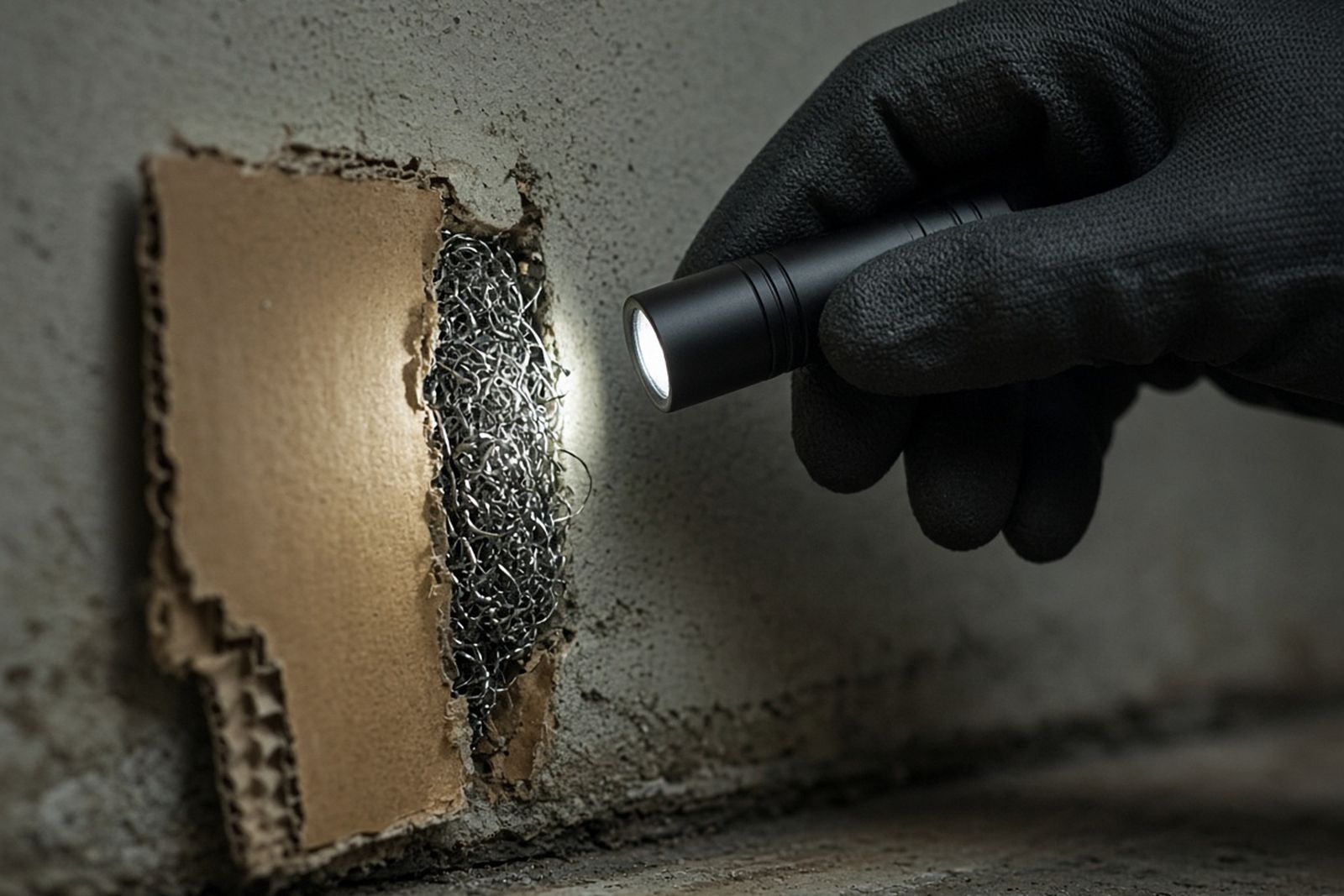
See how wet cleanup, attic and crawlspace work, bat droppings, sealing gaps, and insulation choices fit together after rodents move in.
Costs explained
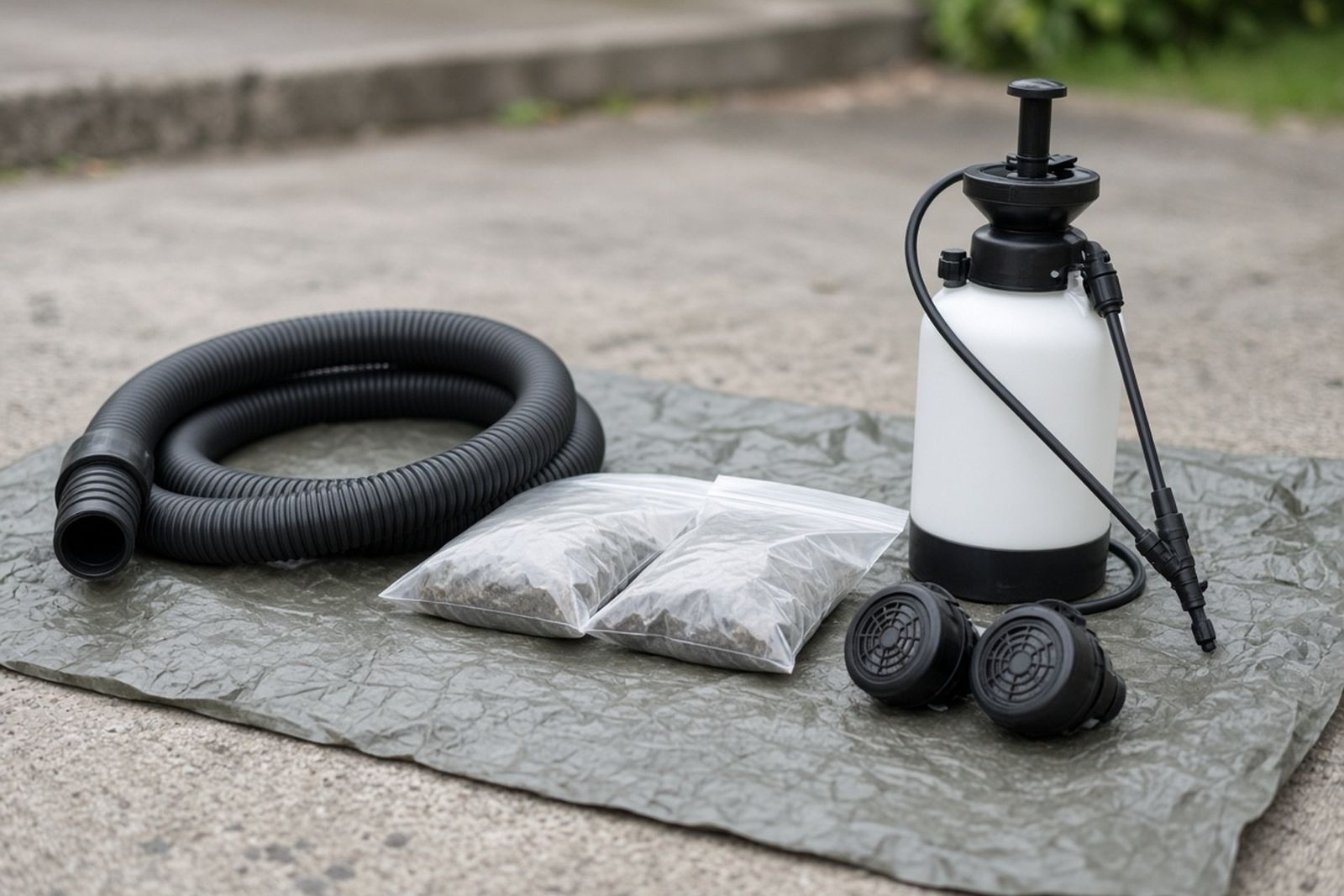
What drives the price, published cost ranges, and how to read a written quote line by line.
Insurance and payment
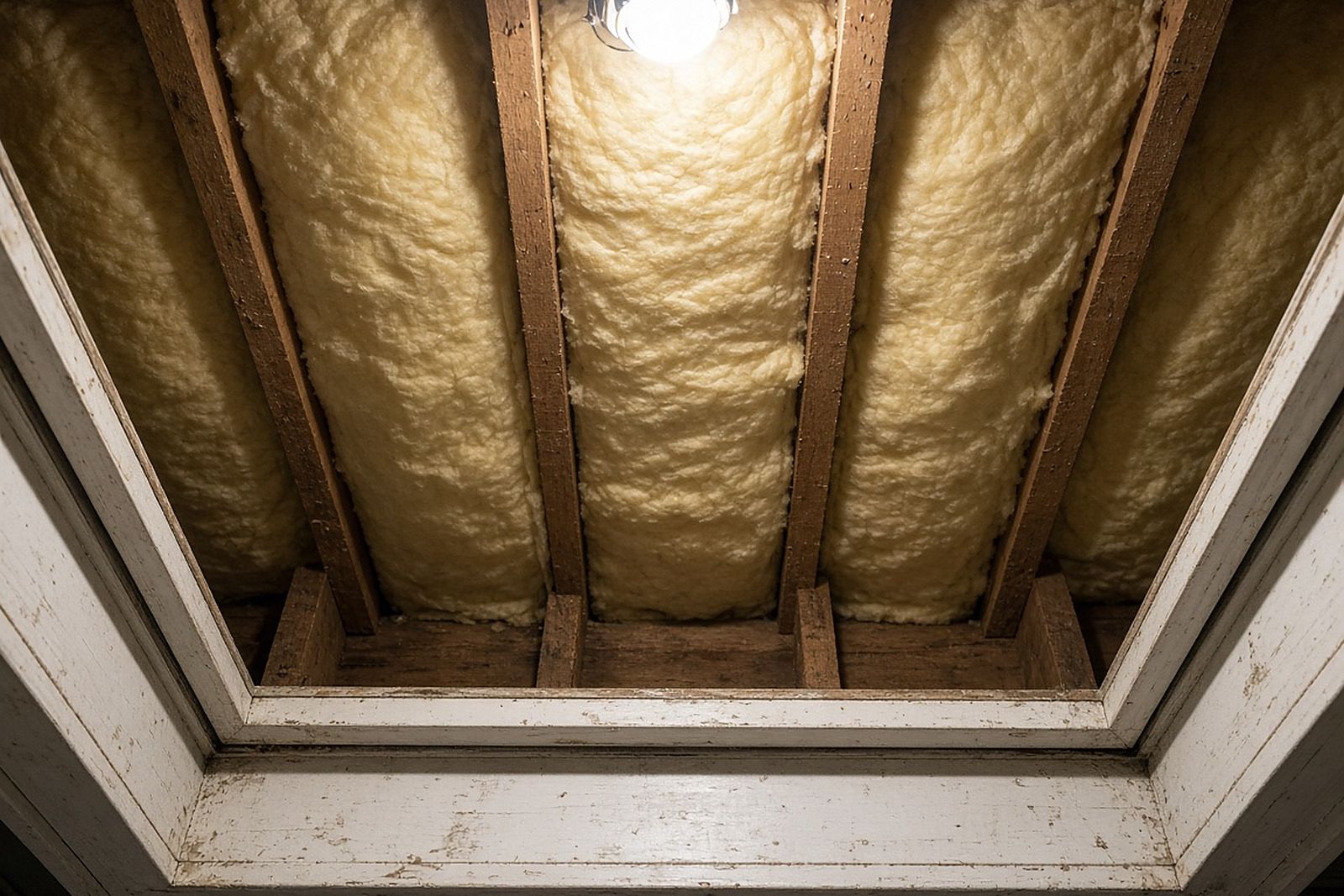
Which policies may respond, how to document a claim, and what to do if coverage is denied.
Planning tools
Use the risk check, planner, cost estimator, vetting questions, claim organizer, and waste guide built for droppings in attics and crawlspaces.
Community polls
See how other homeowners and landlords handle attic droppings, new insulation, and the choice between cleaning up themselves or hiring help.
Knowledge quiz
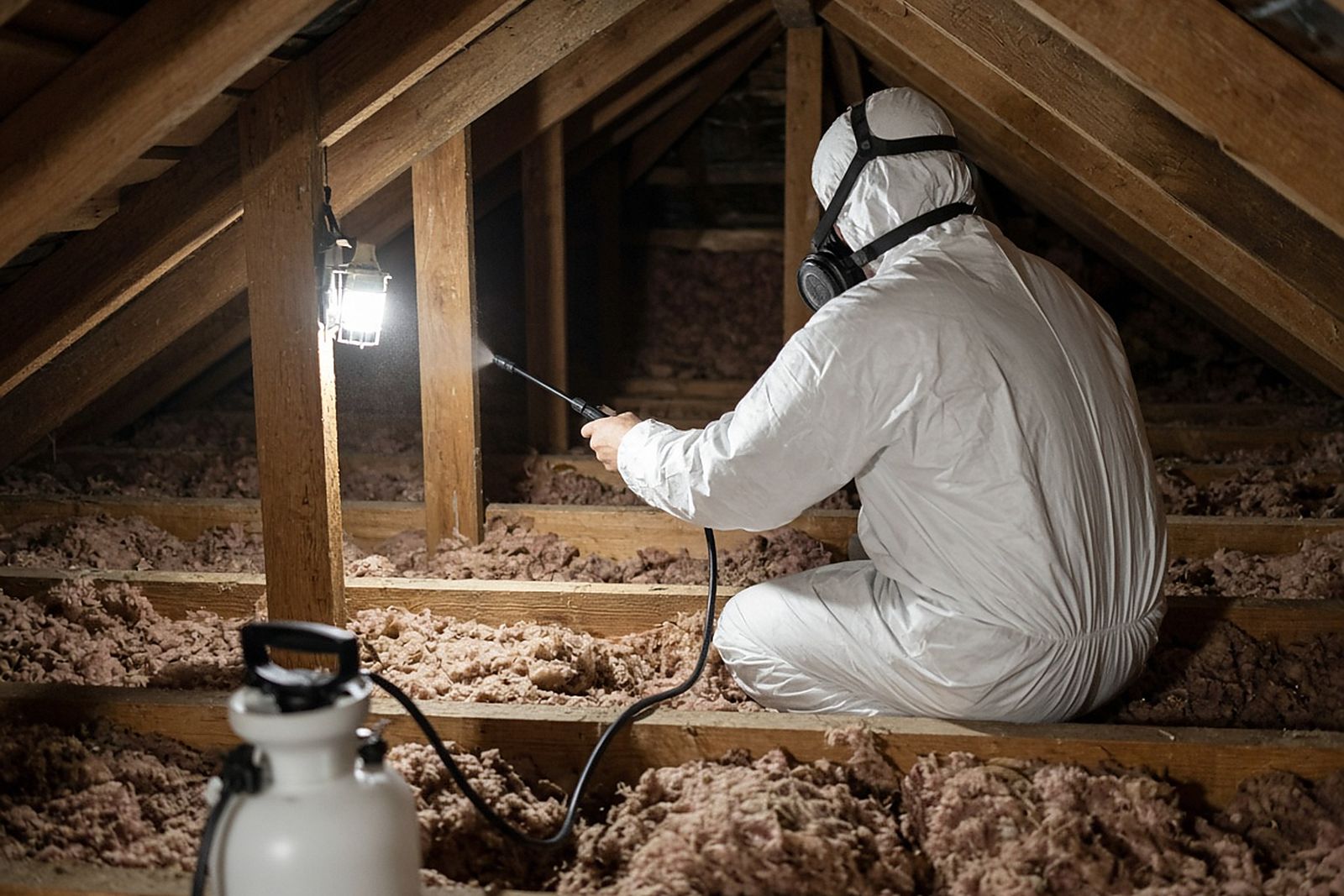
Check whether you know why dry sweeping is dangerous, when insulation must go, and why sealing the gaps comes first.